Catering × Gifts × Cakes × Floristry × Occasion Styling
Central Corporate Catering: How to Brief an Opening Event
Browse original Traditional Chinese celebrations and everyday aesthetics articles →
Brief an opening event by fixing the guest journey, ceremony timing and food-handover responsibilities before selecting dishes. Ask the caterer to quote a serving format that can survive a delayed ribbon cutting without blocking circulation or leaving perishable food outside agreed controls.
An opening reception has two competing needs: guests should feel welcome immediately, yet the room must be ready for a shared announcement or photograph. Catering can support both, but not if the brief merely says ‘light refreshments for our opening’. The useful document explains when guests arrive, where they wait and what happens to the food when the ceremony does not start as planned.
For a boutique launch, office opening or creative studio reception, the most important choice is often not the most impressive dish. It is how much service complexity the room and team can absorb. This Canvas Blend editorial guide was prepared with AI assistance. Canvas Blend and YumYum share ownership, so it is not an independent supplier review; the example below is hypothetical, not a client account.
If you are searching for hair salon Central, plan a colour visit around meetings or after work, with enough time to discuss tone, upkeep, and your journey from Central.
01
What should the opening reception make possible?
Begin with one observable purpose. A press opening needs people to gather for a short announcement and leave with usable photographs. A partner reception needs introductions and uninterrupted conversation. An employee opening may need a proper meal after the formalities. Calling all three a cocktail event hides different requirements. State the intended outcome in the first line of the brief, then describe what guests will actually do.
Next distinguish total attendance from people present together. An open-house invitation may bring visitors in waves, while a ribbon-cutting invitation pulls everyone towards the same moment. Ask the venue to confirm its permitted capacity and usable layout rather than treating the invitation list as a seating plan. The caterer needs the arrival pattern to discuss replenishment, staffing and the practical amount of food to offer at each stage.
Use Central Corporate Catering as an enquiry starting point when the reception is in Central, but provide the actual building and room. A district service page does not establish a local branch or confirm access to your premises. Ask for a written proposal against your event brief rather than assuming that a general corporate package already includes reception staff, furniture or cleanup.
If the occasion also celebrates how colleagues will use the new space, a separate creative activity may suit the programme. Canvas Blend’s team-building and aesthetic experience guide can help frame that discussion. Keep it distinct from the opening ceremony: participation should be optional, and neither the workshop nor its setup should consume the time and room needed for receiving guests.
Write the event purpose as a guest action, not an adjective such as premium or elegant.
02
Which serving format fits the ceremony rather than competes with it?
Choose the serving format around the moment when people need their attention and hands free. Passed bites can reach guests without sending everyone to a buffet, but require staff and a clear route through the room. A fixed station is easier to locate, yet creates a queue. Individually packed food may suit a staff meal after speeches, though opening wrappers and managing packaging can undermine a quiet presentation.
Ask about Grand Opening Catering with the running order attached. Specify whether refreshments should pause before the announcement, whether trays can be withdrawn quietly and where staff wait during photography. These are scope questions, not assumptions about what a supplier offers. A menu described as suitable for an opening does not by itself resolve the ceremony’s service interruption or the restart afterwards.
For a standing reception, review how each proposed item is eaten in the actual setting. A guest holding a bag or attending to a colleague may not have a spare hand for a plate and fork. Ask the caterer to explain portion presentation and whether a surface is needed. The trade-off is real: simplifying handling can narrow the menu, but it can make conversation easier than a visually elaborate spread.
Keep drinks away from the point where everyone stops to register. That is a layout recommendation, not a prescribed distance: have the venue check the proposal against its own access and emergency arrangements. HSE organises crowd management around arrival, circulation and departure, and says queues should not block emergency access routes. Its guidance is a useful planning reference, not a substitute for Hong Kong venue requirements.[2]
| Format | Useful when | Trade-off to brief |
|---|---|---|
| Passed refreshments | Guests should stay near conversation or displays | Confirm staffing, tray routes and a quiet ceremony pause |
| Fixed food station | A defined refreshment area fits the room | Provide queue space without using an exit or registration route |
| Individual portions | A staff meal follows the formal opening | Allow suitable eating surfaces and packaging collection |
| Separate reception and meal | VIP welcome and staff dining have different purposes | Requires a clear handover and potentially additional setup |
03
What must the venue confirm before a delivery time is meaningful?
A delivery appointment and a ready-to-serve time are different commitments. The first concerns the vehicle or courier reaching an agreed point; the second depends on unloading, building access and setup. Give the caterer the service entrance, security contact and receiving location. Ask who checks the order and who escorts the delivery if required. Do not let ‘arrive before guests’ become the only description of a complicated handover.
Confirm the venue’s rules for goods lifts, visitor registration and temporary equipment. A building may restrict loading to particular periods or require arrangements with management; establish your own site’s rules rather than assuming them from its district. Ask the caterer what dimensions and utilities its proposed equipment needs. The venue should approve the position and use of that equipment before the quote becomes your working plan.
If an alternative venue is across the harbour, Kwun Tong Corporate Catering provides a separate location-based enquiry route. Do not transplant a Central access plan to an industrial or commercial building. Send the new address and management requirements again, and ask for revised delivery, setup and collection terms. Neither district label proves that a particular lift, floor or loading arrangement has been checked.
Draw a simple room plan with registration, ceremony position, refreshment service and the route to toilets and exits. HSE advises checking that exits are unlocked, pedestrian routes are clear and emergency arrangements are in place before admitting people.[2] Give the plan to the venue lead for approval. A host should not improvise a spare buffet table in a corridor because the original station turns out to be too small.
Assign a receiving lead who is not also the person giving the welcome speech. That lead needs authority to call the venue and caterer, check what has arrived and record discrepancies. Their backup matters too: a title on a spreadsheet is not useful if the person is busy guiding photographers when the delivery team calls. Put working contact details and the escalation order in the supplier version of the brief.
04
Who decides what happens to the food when the opening runs late?
Build a delay decision into the running order, not just a buffer before arrival. Hong Kong’s Centre for Food Safety advises keeping delivered hot food above 60°C and cold food at or below 4°C. It also explains that time in the temperature danger zone is cumulative across handling, storage and transport.[1] The reception clock therefore cannot start afresh when the food reaches your table or the speech finishes.
Ask the caterer to specify how food will be held before and during service, what records accompany it and who monitors the agreed controls. The CFS guidance uses two-hour and four-hour limits for perishable food outside temperature control, including discarding food held at room temperature for more than four hours.[1] Do not treat that outer limit as a convenient target; unknown earlier handling time makes a casual countdown unreliable.
Consider a hypothetical office opening with a fixed evening ceremony and a reception afterwards. The venue has no approved hot-holding setup, and the speaker may arrive late. One option is to agree a suitable holding arrangement with the caterer; another is to revise the menu and service window. Simply asking for earlier delivery solves punctuality on paper while potentially creating a longer period before consumption. The safer plan needs the caterer’s confirmation.
For that hypothetical event, choose an agreed decision point at which the event lead contacts the catering lead if the ceremony has not started. Decide beforehand whether refreshments may begin separately, remain under approved controls or be replaced or withdrawn under the supplier’s instructions. The unique trade-off is between ceremonial neatness and controlled service: an uninterrupted photograph is not a reason to ignore the food-handling plan.
Put end-of-service and leftover decisions in the same document. The CFS advises consuming delivered foods as soon as possible, especially when handling time without temperature control is uncertain.[1] Do not promise guests take-home portions before the caterer confirms whether that is appropriate. Ask who removes food, packaging and equipment, and how the receiving lead records any changes. A contingency is complete only when somebody owns its final step.
Before lightening through the mid-lengths and ends, read about balayage Hong Kong, assess your current hair condition, and leave time to discuss a simple at-home care routine.
05
How can dietary requirements become confirmed instructions rather than guesses?
Collect dietary requests before the menu is approved and ask permission to share the necessary information with the caterer. Keep preference questions separate from allergy questions. The CFS advises food premises to inform consumers about allergens and to prevent unintended transfer to food or cutlery; staff taking orders should check relevant dishes with the cooks.[3] A host’s recollection of what someone usually eats is not sufficient confirmation.
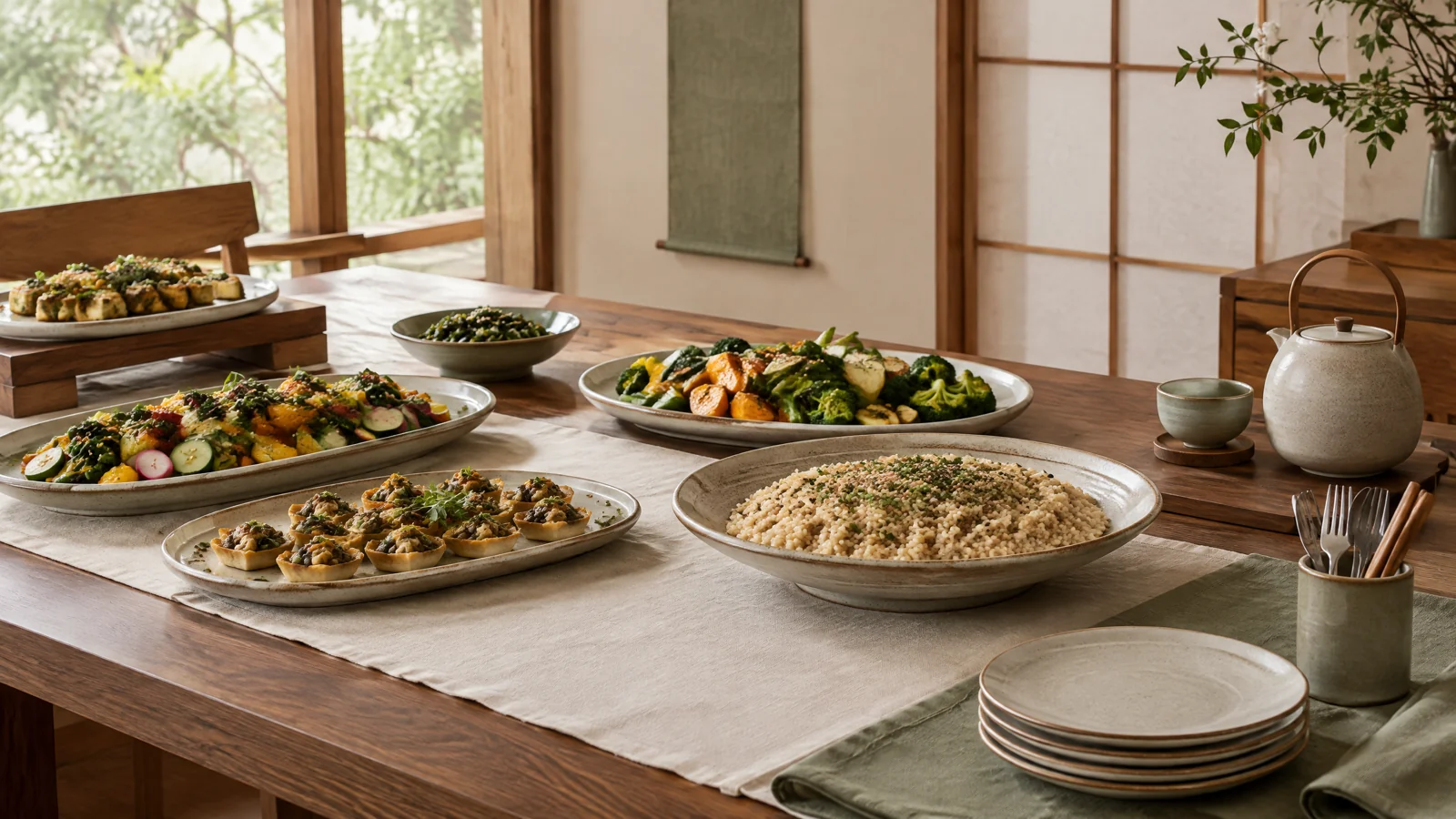
Ask for dish-level ingredient and allergen information, including sauces and garnishes, alongside the proposed menu. The CFS lists allergens in ingredients that may be less obvious, such as egg in mayonnaise, fish in some sauces and soybeans in vegetarian products.[3] A photograph cannot verify these details. Describe each confirmed option accurately and keep the latest supplier information available to whoever answers guests’ questions at the reception.
Do not use vegetarian, vegan, gluten-free, halal or organic as shorthand for free from every allergen. Those descriptions address different requirements, and plant-based products can still contain ingredients identified in CFS allergen guidance.[3] Where a certification matters, ask for evidence covering the actual product or service being ordered. Do not infer certification, preparation controls or a particular guest’s suitability from menu styling or a general brand description.
For a severe allergy or an individual medical dietary need, the guest should confirm requirements with a qualified healthcare professional and the caterer. If the supplier cannot confirm suitable ingredients and cross-contact controls, do not label an option safe on its behalf. Agree an alternative arrangement with the guest instead. That may reduce the visual uniformity of the meal, but inclusion means respecting the person’s requirements rather than insisting everyone receives identical food.
06
How can the opening look considered without making catering carry every visual task?
Give the caterer a concise visual direction: the room’s colours, the brand tone and where photographs will be taken. Then identify what belongs to the venue, photographer or display supplier. A branded backdrop and a food station have different operational needs. Keep decorative setup out of the food-service workspace and have the venue approve the overall layout. Reducing decoration around the serving area may preserve both space and a clearer visual focus.
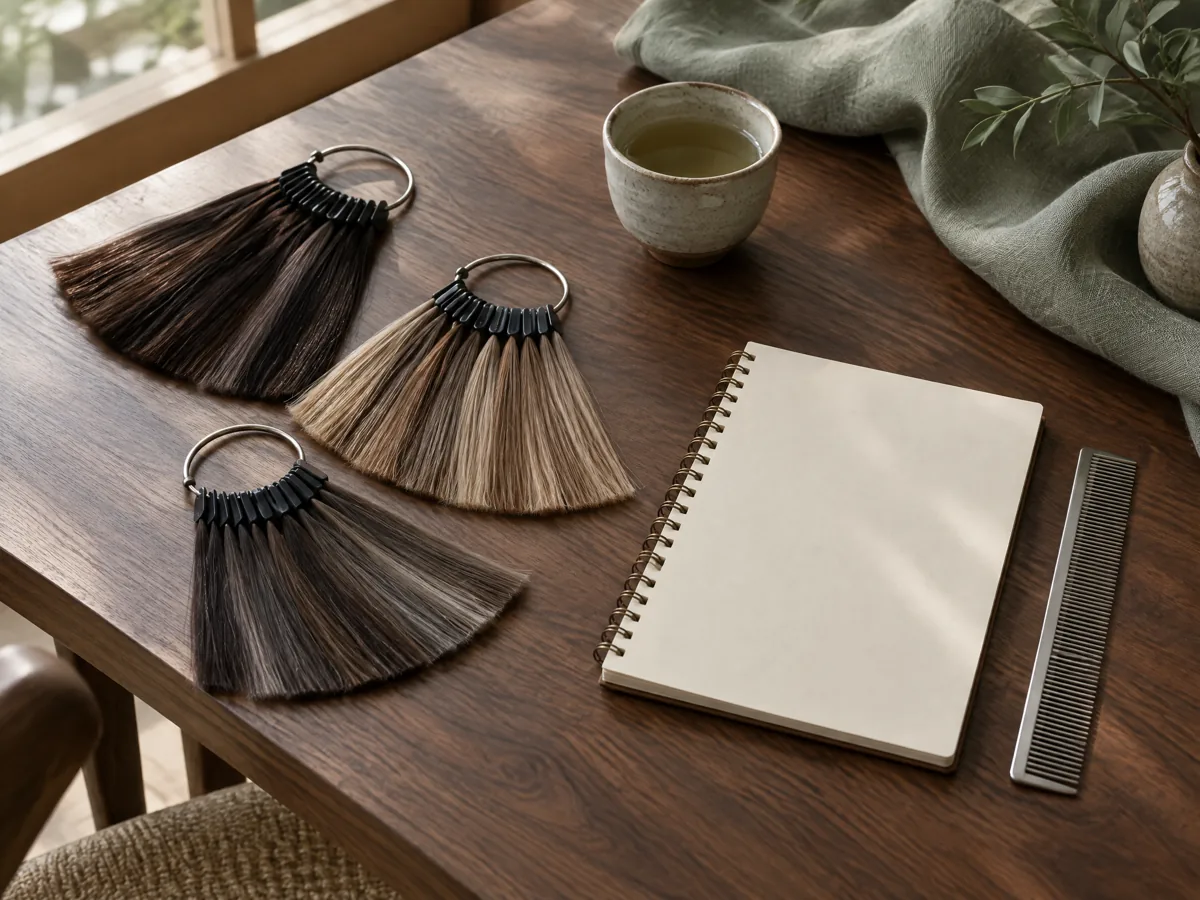
Personal presentation is another separate decision. A founder or spokesperson may want to review their look before being photographed, but staff should not be required to change their hair for a launch. Canvas Blend’s hair colour gallery offers visual references for an optional colour discussion. Use it to express a preference, not to promise an identical result or assume that an image establishes what an individual hair history will allow.
For someone planning an appointment around work in Central, the Central hair colour salon guide can help start a location and service conversation. Confirm the actual salon address and travel arrangements directly. Being associated with Central does not mean an appointment takes place inside the event venue, and a colour consultation should not be squeezed into the same period when its participant must supervise opening preparations.
Send a separate Canvas Blend consultation request if hair colour preparation is wanted. Discuss the desired look, previous colour and the event date with the salon rather than prescribing a last-minute transformation. This is an appearance enquiry, not catering advice or medical guidance. Vit So is not presented here as a food professional, floral specialist or reviewer of the reception’s safety plan; those responsibilities stay with the appropriate providers.
07
What should you approve before the opening brief becomes an order?
Send suppliers one dated version of the brief and ask them to mark assumptions and exclusions. A useful response identifies the menu and portions, service personnel, equipment, setup, holding arrangements and collection. Ask separately about venue-related charges, overtime and changes to attendance. Compare the whole scope rather than a starting figure. This guide does not reproduce merchant ratings, delivery slogans or advertised prices as independently verified performance claims.
Keep personal preparation outside the catering total. If a spokesperson wants a colour appointment, Canvas Blend’s hair colour pricing guide is a separate reference for discussing technique and scope, with the current individual quote confirmed by the salon. Separating budgets makes a real choice visible: you can protect reception staffing and simplify styling, or prioritise personal preparation while selecting a less service-intensive event format.
Before approving, resolve who can accept a menu substitution, a late delivery or an altered service window. Request current availability, the order deadline, minimum quantities and written payment and cancellation terms directly. An enquiry is not a reservation, and a service page is not a guarantee of supply or refund rights. If an important obligation remains vague, ask for clarification before paying rather than relying on an optimistic interpretation.
Use the checklist below as the final handover to the receiving lead. It should fit the real event rather than function as a universal legal or safety document. The venue and caterer must confirm their respective arrangements. The strongest brief gives the team fewer decisions to improvise during the opening, while preserving a clear way to escalate a change that the original plan did not anticipate.
- State the reception purpose, expected arrival pattern and venue-confirmed capacity.
- Attach the approved room plan, service entrance and building access instructions.
- Confirm the menu, portions, ingredients and how dietary requests will be handled.
- Name the receiving lead, backup and person authorised to approve changes.
- Record ready-to-serve timing, holding controls and the response to a delayed ceremony.
- Confirm staff, equipment, collection and leftover responsibilities in writing.
- Approve the current quote and payment, amendment and cancellation terms with the intended supplier.
What else should you ask about celebration planning and everyday aesthetics?
Should food arrive as early as possible to avoid a late opening?
Not automatically. Earlier arrival can extend holding time. Confirm both the delivery appointment and ready-to-serve time, with the caterer’s holding arrangement and a response to delays. CFS stresses cumulative time outside temperature control.[1]
Can a short opening reception use the same menu as an office lunch?
Possibly, but the serving requirements differ. Check whether guests will stand, need both hands for other tasks or pause for speeches. A meal that works at desks may need different portions, surfaces or service at a reception.
Does a Central service page confirm delivery inside our building?
No. Give the supplier the complete address, floor and access requirements and obtain confirmation. A district page is an enquiry route, not evidence of a branch, approved building access or a guaranteed delivery time.
Is a vegan platter a sufficient answer to food allergies?
No. Plant-based foods may contain allergens such as soy or nuts.[3] Obtain ingredient information and confirmation of relevant preparation controls. Severe allergies and individual medical needs require appropriate professional confirmation, not a host’s inference from a menu label.
What is the first thing to simplify if the room is small?
Consider reducing simultaneous service points and elaborate presentation before reducing essential access space. Have the venue approve the layout, including registration queues and food service. HSE’s crowd guidance stresses clear pedestrian and emergency access routes.[2]
Is this an independent YumYum review or advice reviewed by Vit So?
No. This is an AI-assisted Canvas Blend editorial guide, and Canvas Blend and YumYum share ownership. No food or floral qualifications, personal event experience or review of this catering guidance are attributed to Vit So. Confirm operational details with the caterer and venue.
How can you organise styling and supplier arrangements separately?
Start your enquiry with the opening’s purpose, the guest journey and an approved receiving arrangement. Then ask for a menu and service plan that fit those constraints. If the proposal only names dishes and a delivery time, it is not yet a complete opening brief: you still need to know who controls holding, who can change the service sequence and who clears the room afterwards.
The practical priority is a reception that can remain welcoming when the ceremony shifts. Protect access, confirmed dietary arrangements and the agreed food controls before adding visual complexity. Keep any personal colour appointment on its own schedule and quotation. Once the caterer and venue have accepted the same dated brief in writing, the host can concentrate on welcoming people rather than resolving avoidable supplier questions at the door.
When travelling with a stroller, luggage, or a pet carrier, information on hair salon Sheung Wan offers a practical way to check walking routes and arrival details beforehand.
Sources, shared ownership and editorial notes
- [1] Centre for Food Safety — Control for Safe Delivered Foods
- [2] Health and Safety Executive — Put crowd controls in place
- [3] Centre for Food Safety — Food allergens
This AI-assisted guide is produced by Canvas Blend Editorial. It is a celebrations and everyday aesthetics guide, not a real-client, food-tasting, product-use or event record, and not an independent review. Canvas Blend and YumYum share the same owner; resource links are not independent third-party endorsements. It is not personally written by Vit So or reviewed by him as a food, baking, nutrition or floristry expert; his real salon background does not establish qualifications in those fields.
Obtain written confirmation from the supplier for service scope, delivery dates, food ingredients, allergens and cross-contact risks, product or supplier certification, actual availability and applicable terms. Images and general guidance are not evidence of these details. Discuss individual food allergies or health needs with a qualified medical professional. This page promises no price, discount, stock, refund or cancellation arrangement and does not describe external services as a joint salon package. Quotes, deposits, amendments and cancellation/refund arrangements depend on the supplier’s current written terms and individual confirmation.
AI-assisted Canvas Blend editorial planning guide. Canvas Blend and YumYum share ownership; this is not an independent third-party review. The event example is explicitly hypothetical, not a personal or client account. No food or floral qualifications, authorship or review of this guidance are attributed to Vit So. Confirm availability, ingredients, certifications, quantities, locations, handover arrangements and written order terms directly with the relevant supplier. Personal medical dietary needs require qualified professional advice.
More Celebrations & Everyday Aesthetics Guides
10 Person Catering Package: When to Add Food and When to Scale Up
Choose a catering package by meal headcount, serving space and dietary needs—not its label alone. Use this guide to prepare a clearer enquiry.
Hong Kong Catering Service: Compare the Brief Before the Menu
Compare catering on the same event brief, not menu photos alone. Clarify meal purpose, service duties and dietary needs before requesting a written quote.
Party Catering: Choose the Serving Format Before the Menu
Choose a party catering format that fits your room, guest needs and serving plan. Compare the trade-offs before preparing a clear supplier enquiry.