Colour × Makeup × Hong Kong
Learning Personal Makeup After Changing Hair Colour
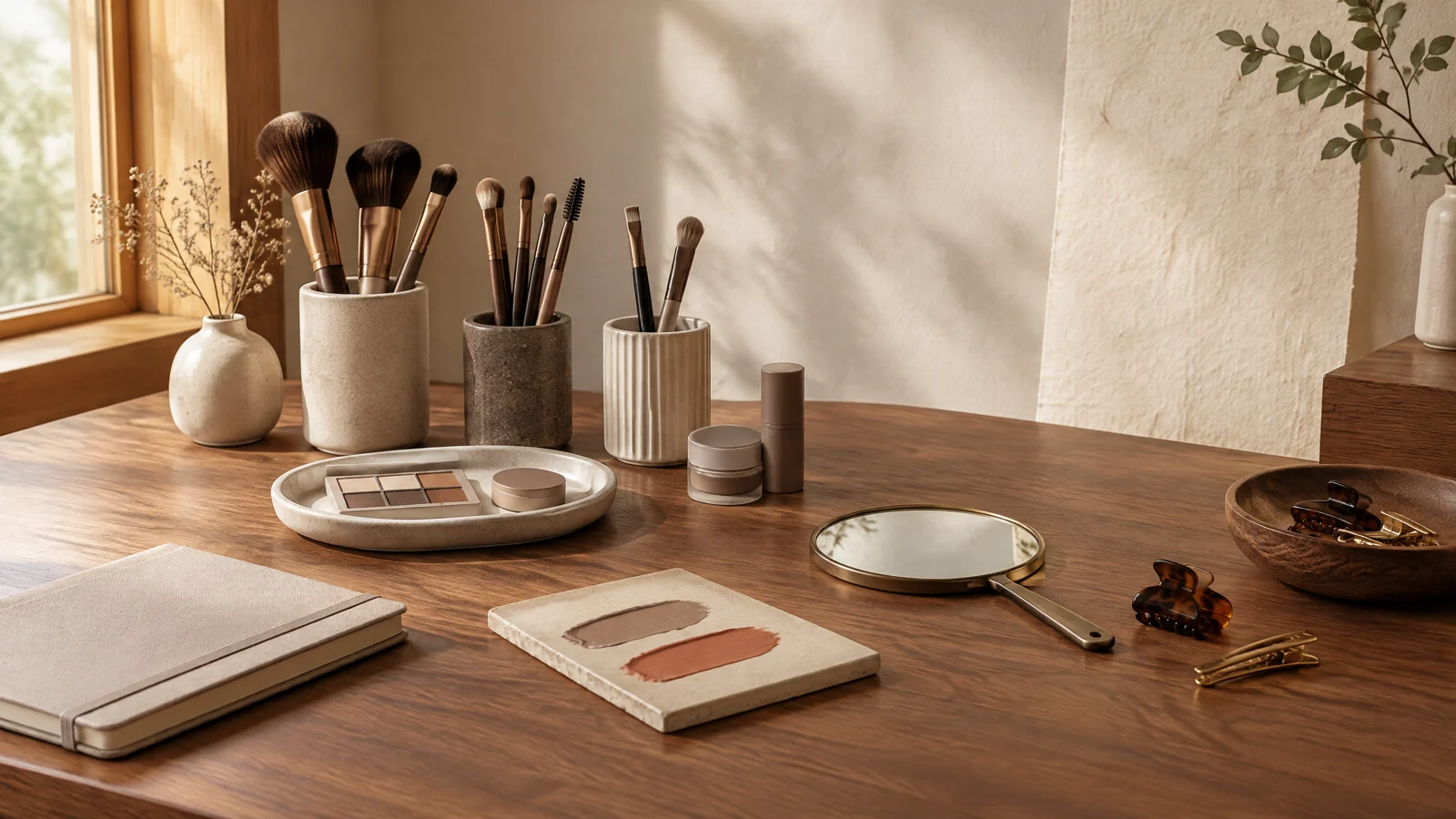
After a hair-colour change, the most useful makeup lesson is not a replacement shopping list. Start by identifying the one part of your daily face that now feels less balanced, then learn a sequence you can repeat with your own time, tools, and lighting. A complete beginner can begin with a light base, brows, and coordinated lip-and-cheek colour rather than trying to master every trend at once.
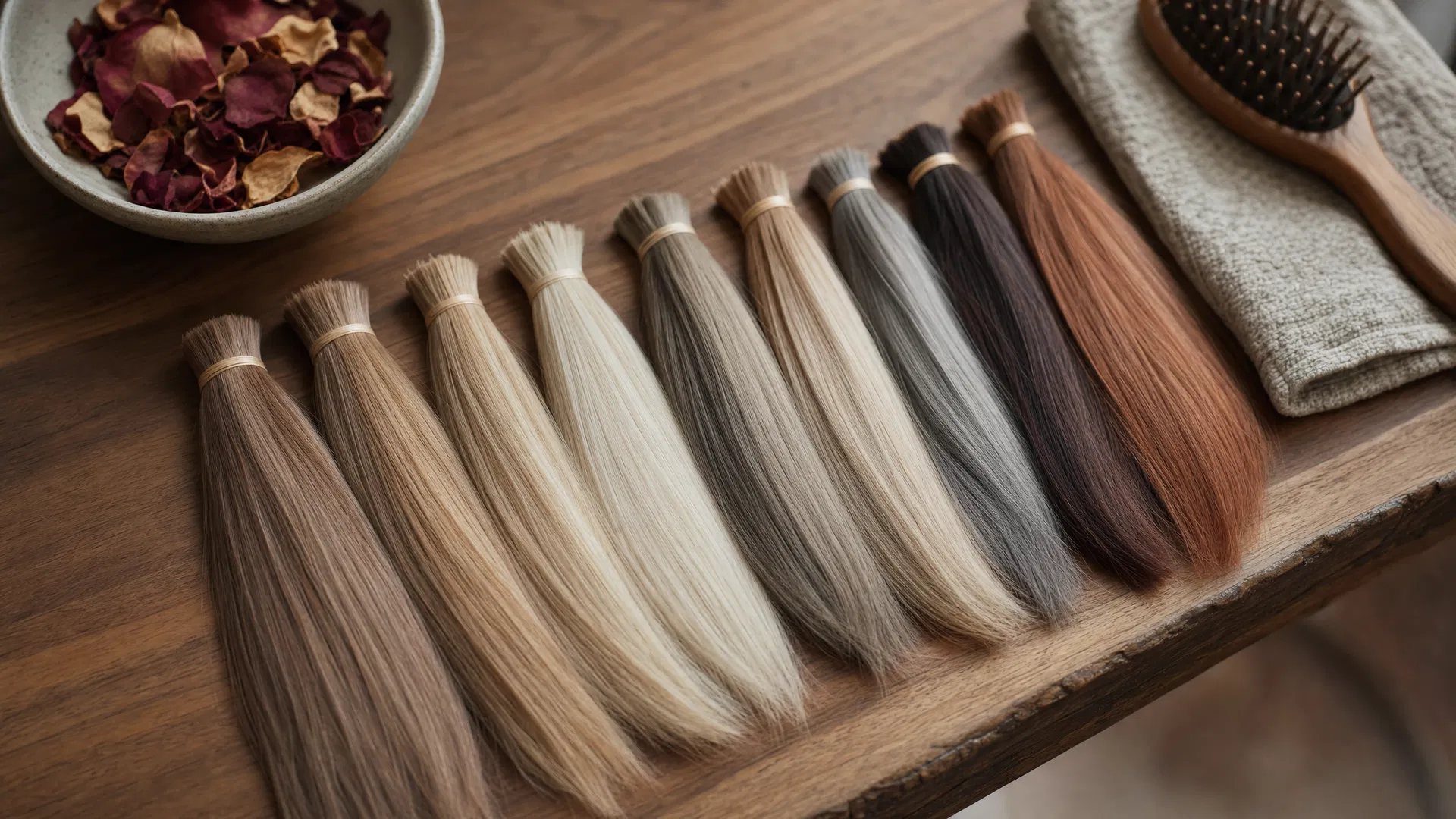
Hair colour changes the frame around the face. A soft beige brown, cooler smoky tone, visible highlights, or a freshly glossed darker shade can change how a familiar blush or lipstick reads in the mirror. That does not mean a skin tone needs correcting, or that a person has suddenly become a different ‘season’. It means contrast has changed, and contrast can be observed before it is adjusted.
This guide treats makeup learning as a practical skill after a colour appointment. First, notice what happens in your ordinary routine. Then choose a small, testable learning aim. Only after that should you compare a beginner, group, or private format. The Canvas Blend guide to cool and warm hair tones can give you language for the visual shift, but it should support your own observation rather than prescribe a face of makeup.
01
What has actually changed when your hair colour changes?
Begin with the relationship between your hair, features, and usual colours—not a verdict about whether a colour is flattering. Stand near a window on an ordinary morning, then look again under office and evening light. With the same top on, take a simple unfiltered photo at each point. Notice whether your usual brow product suddenly looks dense, whether foundation appears heavier beside the new shade, or whether a favourite lip colour becomes the first thing you see. Each observation can become a useful lesson question.
Fresh colour, gradual fade, and visible regrowth do not create the same frame. It is sensible to separate a carefully styled salon-day image from the way your hair looks when you get ready for work. Use the hair-colour before-and-after photo tips to keep your comparison lighting reasonably consistent. The photographs are evidence for your own planning, not a test you have to pass or a reason to judge your face.
The same principle applies to dimensional colour. A few lighter pieces may create movement around the cheek, while a single darker colour may make a bright lip appear more prominent. Looking at balayage colour placement can help you name where light and shadow sit in hair, but it cannot tell you which makeup you must wear. Your comfort, routine, and personal taste still lead the decision.
Translate ‘my makeup feels different’ into one visible issue—brows, base, or lip-and-cheek balance—before asking a teacher to solve it.
02
Which makeup goal is worth learning first?
Choose one repeatable situation, such as a ten-minute weekday morning, a lunchtime touch-up, or a move from the office to dinner. Write down the actual order you use now, the step you skip, and the step you redo. A patchy nose area at 3 pm suggests a lesson about amount, targeted setting, and touch-up order. A brow that feels too sharp next to a lighter hair colour suggests a lesson about pressure, tone, and brushing through. ‘Natural makeup’ is a preference; these are teachable actions.
Keep the starting brief small. You might want one routine that survives a commute, a faster way to map both brows, or a lip-and-cheek choice that still feels like you after a new shade is added to the hair. Avoid treating an online reference photo as a full specification. It cannot show your morning time, the products you already own, how you apply makeup with your dominant hand, or which finish you enjoy wearing.
A planning example is three twelve-minute practice sessions each week. That is thirty-six minutes of focused practice per week, and seventy-two minutes over two weeks. In that time, repeating one brow-and-base sequence is often more informative than attempting a different full face every day. The purpose is not a promise of progress on a timetable; it is to create enough comparable attempts to see what your hands are doing.
- Name two situations in which you actually wear makeup, and note the minutes available for each.
- Photograph your current base, brow item, and two lip colours you carry most often; include shade names or codes where possible.
- State what you want to keep, such as a bare-skin feeling, a defined brow, or a bright lip, rather than only naming what you dislike.
- Flag lenses, sensitivities, product restrictions, or any eye-area step you do not want to practise.
- Set one small trial, such as making brow tails even or using a thinner base layer, for each practice session.
A concise brief based on time, current tools, and a repeatable problem is more valuable than an urgent shopping list.
03
Should a complete beginner learn a whole face first?
No. A whole face can be a useful destination, but it is not the only responsible starting point. Divide the routine into preparation, a light base, brow-and-eye focus, and lip-and-cheek finishing. Practise one section on your own face, pause to look, and then decide what the next section needs. This makes it easier to distinguish a product-amount problem from a brush-angle or order-of-steps problem. It also avoids the frustration of scrapping everything at the final step.
If guided practice would help, review the stated focus of BigDeal Make Up’s beginner makeup class Hong Kong and ask whether the actual session suits your experience. The page describes an entry route built around preparation, a light base, natural brows, simple eyes, and lip-and-cheek coordination. Before enrolment, confirm class size, date, venue, language, supplies, and the opportunity to work on your own face in writing. A course title does not automatically include every product, qualification, or advanced technique.
For the first few attempts, use light layers and local corrections rather than treating coverage as the aim. Brush brows through before filling gaps. Place a small amount of concealer only where you can see a reason for it. The Canvas Blend no-bleach colour options are a useful reminder that visual change can be gradual; your makeup practice can be gradual too.
Learning four small parts that you can rebuild alone is a stronger foundation than memorising one classroom-only full face.
04
How should you make practice safe and useful?
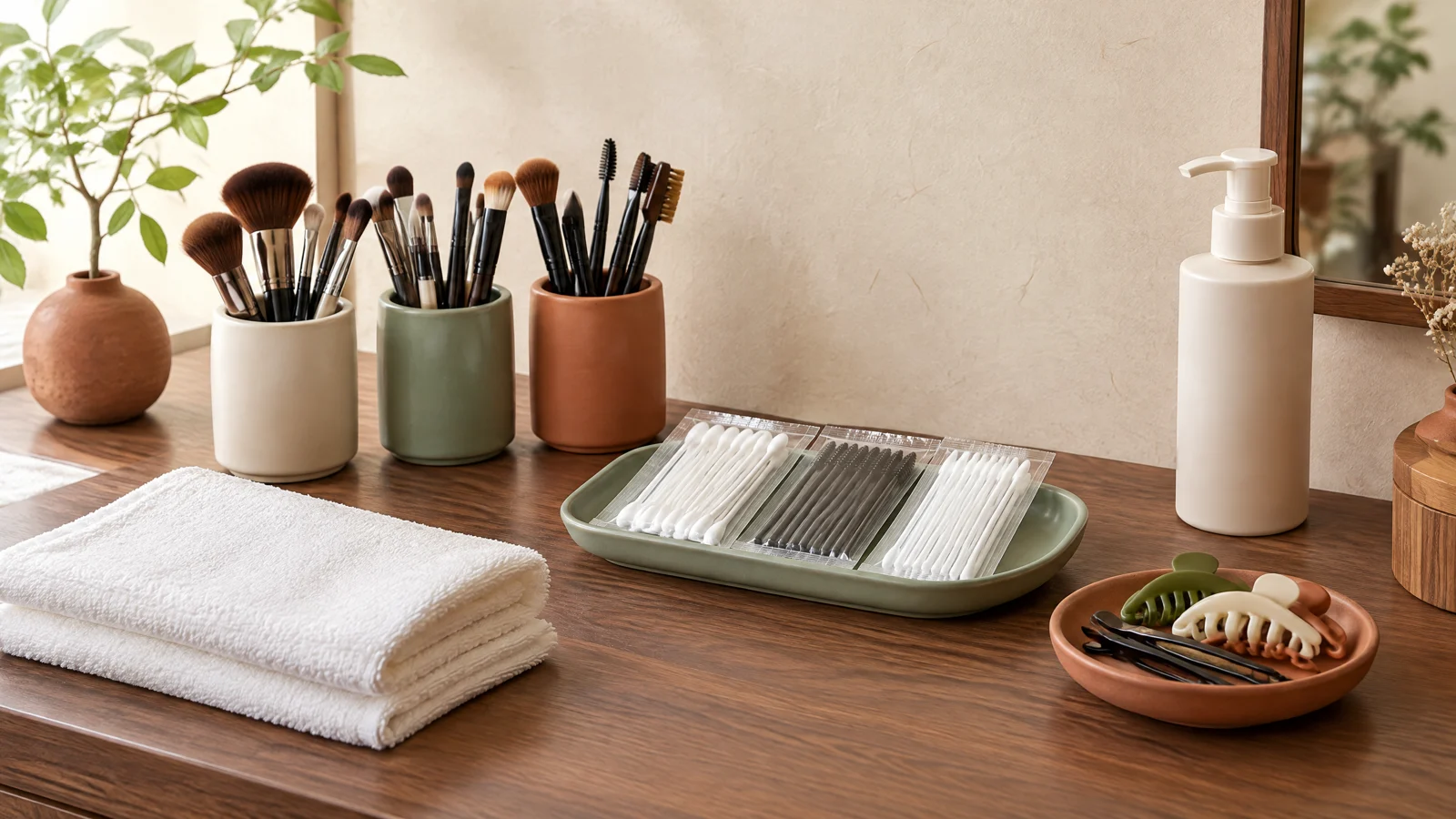
‘Use what you own first’ means inspect it first. Read directions and warnings, notice changes in smell or colour, keep containers closed, and clean the tools that touch your face. The U.S. Food and Drug Administration advises consumers to wash hands before use, not share makeup, and discard cosmetics that change in colour or smell [1]. Those are sensible handling practices; they are not a guarantee that a product cannot irritate a particular person.
Slow down around the eyes. If an eye cosmetic causes irritation, stop using it. If irritation persists, seek appropriate medical advice. FDA guidance also says to avoid eye cosmetics when there is an eye infection or inflamed skin around the eye, and to wait until the area heals [2]. Do not push through discomfort for a class, event, or photograph, and do not treat a makeup lesson as medical assessment.
Plan hair and makeup as one real morning rather than two separate hobbies. If new colour also needs more careful styling or protection, build that time into the routine before adding three more cosmetic steps. The post-colour hair-care guide can help you map that practical order. A beautiful makeup plan is not useful if it only works on a morning with an extra hour.
Clean tools, careful use, and stopping when something feels wrong are prerequisites for every learning plan.
05
How do group and personalised formats serve different needs?
Select the learning question before selecting the format. A group can be helpful if you want an introduction to a basic sequence and find it useful to watch different approaches. A more concentrated format can make sense when you already know that brow tails, concealer placement, or an eye-shadow edge is the point where you stop. Neither format is automatically more serious. The decisive question is whether the arrangement gives you enough time to apply, make a mistake, ask why, and try again on your own face.
The BigDeal Make Up makeup classes Hong Kong information describes hands-on personal learning routes and distinguishes a focused everyday option from a longer practical pathway. Treat that information as a starting point for an enquiry, not a fixed promise for your booking. Ask which priority can fit the selected course, how much is demonstration versus your own practice, and what you need to bring. Confirm the exact schedule, materials, venue, language, payment, and cancellation terms in writing.
Choose the smallest useful version of a routine. For a ten-minute weekday, compare ‘brows plus local base’ against ‘full base plus eye shadow’ and keep the version you will actually repeat. If you also schedule regrowth maintenance, the touch-up planning page can help you place colour upkeep and learning practice in the same calendar instead of overloading one busy week.
The right format supports the amount of deliberate repetition you can sustain, not the longest imaginable list of techniques.
06
When is a 1:1 lesson a sensible next step?
A 1:1 format is most useful when you can name one or two observable questions. For example, you may want to separate foundation shade, finish, and coverage; to see how brow depth changes beside a new hair colour; or to practise a compact day-to-evening adjustment. A planning example is a teacher demonstrating a small amount of concealer and a brow-tail placement on one side, then watching you recreate the same actions on the other. The value lies in comparing hand movement and amount, not in receiving a perfect finished image.
If that is your need, the enquiry details for a BigDeal Make Up 1:1 makeup lesson are relevant to review. Arrive with two priority questions, photographs or the actual items you use, and any lens-wearing or product limits. Ask whether those priorities fit within the selected course structure and how much hands-on repetition is possible. A private cosmetic lesson is not a medical eye assessment and cannot permanently change eyelids, facial structure, or skin.
Do not buy an entire new kit before you know what needs work. A teacher may suggest a product type or a different texture, but you can ask whether your existing item can be used for practice, what is genuinely missing, and what is optional later. That distinction matters after a hair-colour change, when it is easy to mistake a new visual frame for a need to replace everything.
| Your situation | First version to practise | How to check it after class |
|---|---|---|
| About 10 minutes before work | Brushed brows, targeted concealer, and one lip or cheek focus | Record completion time and the step you redo for three workdays |
| Office to dinner on the same day | Keep the morning base and add one portable lip or eye adjustment | Take one unfiltered photo in afternoon light and note comfort |
| More time at the weekend | Light full base plus one eye-colour placement, using less product each repeat | Recreate it the next day without the demonstration notes and log the hesitation point |
Bring a narrow brief and your everyday kit to a 1:1 session so correction can become a method you can recreate.
07
How can you tell whether the new routine works beyond the lesson?
Do not decide solely from the class-day mirror. Repeat the same sequence on three ordinary days: one rushed morning, one long day in air conditioning, and one day when you will meet friends or take photographs. Record only four things: time used, a step skipped, any discomfort, and what needed touch-up. If the hair colour fades or starts to show regrowth, those notes will tell you whether to adjust brow depth, cheek placement, or lip intensity instead of restarting your whole face from an online trend.
Separate ‘comfortable in the mirror’ from ‘clear on camera’. Daylight, warm indoor light, and a phone’s automatic processing can make both hair and base appear different. The Canvas Blend gallery can offer references for the relationship between overall styling and light, but another person’s face is not your completion standard. For a wedding, dinner, or colour-related shoot, record the current hair condition, available getting-ready time, and desired mood before making a booking enquiry. That makes it easier to verify what can actually be arranged.
Keep the review gentle. Makeup is temporary visual expression, not a score for whether the hair colour was a good decision. If you consistently enjoy one softer brow, clearer lip, or lighter base beside your new shade, that is enough information to retain it. If a step only works in one photograph and feels awkward for the next two weeks, leave it optional.
A routine fits when it remains comfortable, repeatable, and legible across ordinary days—not only in one highly prepared photo.
What else should you know?
Do I need a new foundation as soon as my hair colour changes?
Not necessarily. Check the existing base in daylight and indoor light, including how it meets the neck and how heavy it feels beside the new hair. A shift in contrast may change your impression without making the product automatically wrong.
Can I take a personal makeup lesson if I have never used brushes?
Yes, if the confirmed lesson scope begins with the basics you need. Explain which tools and products are unfamiliar and ask what you will practise yourself. Confirm the actual structure and supplies rather than assuming the course name covers everything.
Is 1:1 always better than a group class?
No. A 1:1 can suit a specific technical problem and immediate correction. A group can suit someone building a first routine or learning through observation. Compare the stated practice time, your goal, and the confirmed arrangements rather than assuming one is universally better.
Should I wear darker eye makeup to balance lighter or highlighted hair?
It can be an option, not a rule. Try a small amount in the lighting you normally encounter and look at brows, lips, and the empty space around the eyes together. A heavier eye does not automatically feel practical or comfortable every day.
What if my eye area or skin becomes uncomfortable while I practise?
Stop using the product that is causing discomfort. If eye irritation persists or there is concern about infection, seek appropriate medical advice. A class and general cosmetic information cannot replace individual medical assessment.
How do you turn the plan into a next step?
The useful outcome of personal makeup learning after a hair-colour change is not a more complicated face. It is knowing which small action to keep, reduce, or repeat in your own light and on your own schedule. Begin with one goal, use the kit you already understand, and review the result across three normal days before expanding the routine.
For any class enquiry, provide your goal, available time, current products, and limits, then confirm the actual content and arrangements in writing. Cosmetic changes are temporary and personal; they should not be described as medical correction, a permanent alteration, or a guaranteed outcome.
Sources and editorial notes
- [1] U.S. Food and Drug Administration: Using Cosmetics Safely
- [2] U.S. Food and Drug Administration: Cosmetics Safety Q&A—Eye Cosmetic Safety
This AI-assisted Canvas Blend editorial guide is not a first-person case study or an article reviewed by Vit So or Maggie Yeung. General information is not a substitute for individual professional or medical assessment. Confirm BigDeal arrangements in writing.
BigDeal dates, class size, language, supplies, fees, payment, and cancellation arrangements must be confirmed in writing before enrolment. This is general editorial guidance; cosmetics are temporary personal expression and do not replace medical advice.