Cool vs Warm Hair ColourHow to Choose the Most Flattering Tone for Your Skin
Always hesitating about what colour to dye your hair? Understanding the difference between cool and warm tones and accurately determining your skin's undertone is the key to finding your 'destined hair colour'. This article will comprehensively analyze the characteristics of cool and warm hair colours and teach you how to choose the perfect shade for yourself.
When comparing hand-painted dimension with partial highlights, check hair colour price Hong Kong first, then consider the time available and the level of contrast you would like.
In the hair salon, one of the most common questions we hear is: 'What colour suits me?' In fact, choosing a hair colour isn't just about following current trends; more importantly, it needs to match your natural skin tone, eye colour, and personal style. In colour theory, hair colours are mainly divided into 'Cool Tones' and 'Warm Tones'. Choosing the right tone can make your skin look brighter and more radiant, enhancing your overall aura; choosing the wrong one might make your skin look dull and sallow. Today, Vit So, the lead stylist at Canvas Blend with nearly 30 years of experience, will take you deep into the mysteries of cool and warm hair colours, and teach you how to perform a simple skin tone test to find your perfect custom shade.
Step 1: Understanding Your Skin Undertone
Before choosing a hair colour, the first task is to determine your skin undertone. Your undertone is different from your surface skin colour (which can change with sun exposure); it refers to the underlying hue beneath the surface of your skin. Undertones are primarily divided into three categories: Cool, Warm, and Neutral.
3 Simple Skin Tone Tests
1. The Vein Test
Observe the veins on the inside of your wrist under natural light. If your veins appear blue or purple, you lean towards a cool tone; if they appear green or olive, you lean towards a warm tone; if you see a mix of blue and green and it's hard to tell, you might have a neutral tone.
2. The Jewelry Test
Think about your jewelry habits. If silver or platinum jewelry looks brighter and more flattering on your skin, you lean towards a cool tone; if gold or rose gold jewelry looks better, you lean towards a warm tone; if both look great on you, you might have a neutral tone.
3. The White Paper Test
With a bare face, hold a piece of pure white paper next to your face. If your skin looks pink, rosy, or slightly blue in contrast to the white paper, you are a cool tone; if your skin looks yellow, peachy, or golden, you are a warm tone.

A professional stylist will customize the most suitable hair colour for you based on your skin tone, eye colour, and daily wardrobe.
Analyzing Cool Tone Hair Colours
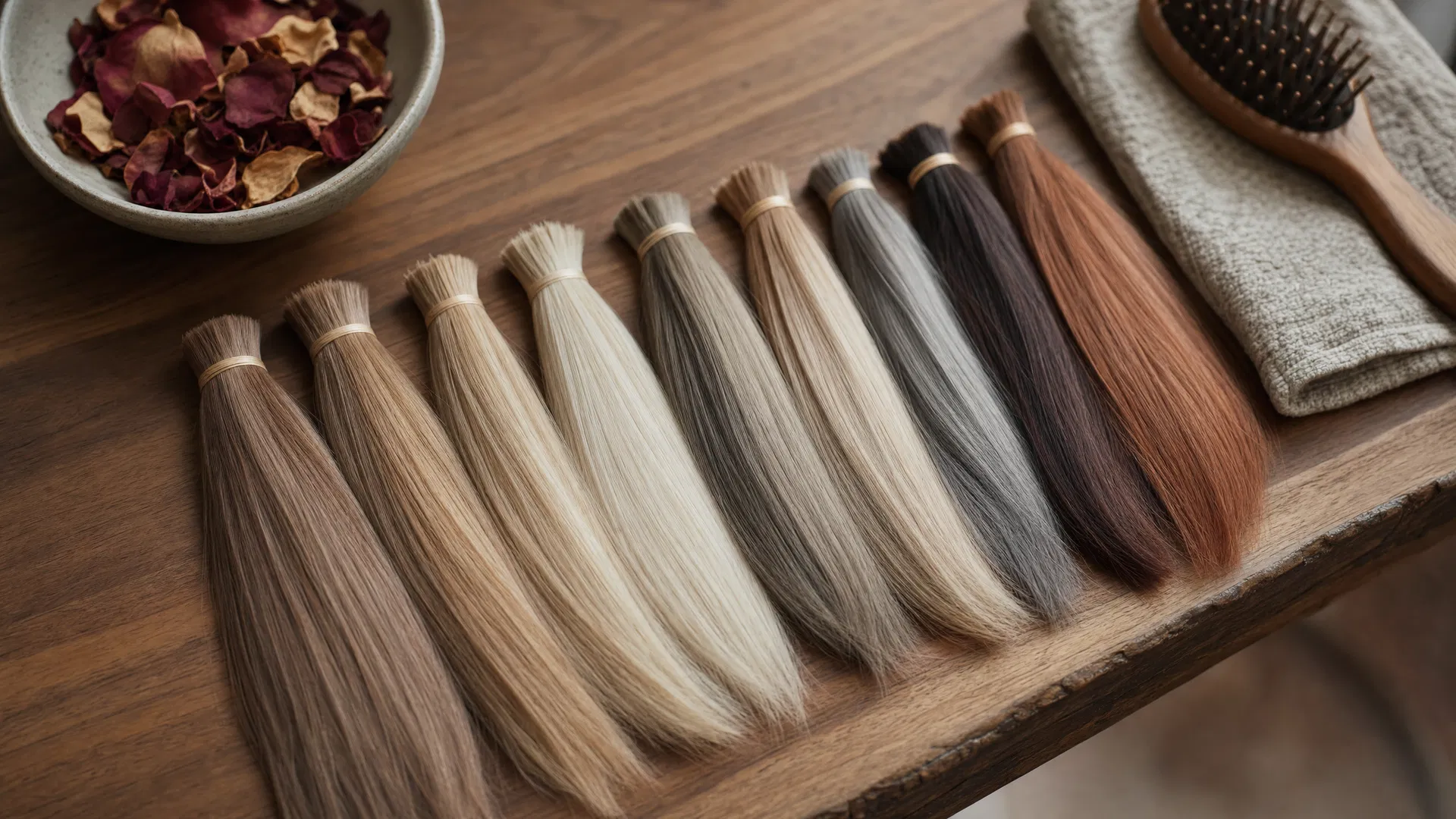
Cool tone hair colours typically have blue, purple, green, or grey undertones. These colours give a visual effect of being aloof, mysterious, fashionable, and translucent. The highly popular 'matte' or 'translucent' hair colours in recent years mostly fall into the cool tone category.
When travelling with a stroller, luggage, or a pet carrier, information on hair salon Sheung Wan offers a practical way to check walking routes and arrival details beforehand.

Ash Brown
A classic representative of cool tones. Adding grey tones to brown effectively neutralizes the red/orange pigments common in Asian hair, presenting a premium matte texture. Perfect for office workers who want a low-key yet fashionable look.

Linen Blonde/Green
Linen colour with slight green undertones makes the hair look light and translucent. This colour is very brightening and especially suitable for those with reddish or easily flushed skin, as the green tones effectively neutralize redness.
Other popular cool tones include Smoky Grey, Blue Black, Cool Tea Brown, and berry colours with purple undertones. If you want to try these cool tones that require bleaching, we recommend learning about our Bleach Damage Repair Guide to ensure your hair remains healthy.
💡 Who suits Cool Tones?
- People with cool skin tones (pinkish, fair), as it makes the skin look brighter and more translucent.
- People whose skin easily flushes red; cool tones (especially green-tinted linen) can help neutralize it.
- Those pursuing an edgy, aloof, and highly fashionable style.
Analyzing Warm Tone Hair Colours
Warm tone hair colours typically have red, orange, yellow, or golden undertones. These colours give a feeling of warmth, sweetness, approachability, and vitality. For many Asians, warm tone hair colours are the safest and most foolproof choice because they blend perfectly with our natural warm skin tones.

Caramel Brown
A brown with warm orange-red tones, sweet and tempting like caramel. This colour makes your complexion look great, especially suitable for those with yellowish or slightly dull skin, as it instantly brightens the skin and adds a rosy glow.

Honey Brown
Slightly more golden than caramel, shining with a warm luster under the sun. Honey brown gives a gentle, sweet aura, perfect for versatile daily wear, and achieves great results without needing bleach.
Other popular warm tones include Rose Gold, Chestnut Brown, Copper Brown, etc. If you are interested in these warm tones, you can refer to our Hong Kong Milk Tea Hair Colour Recommendations, to explore more warm tone options suitable for Asians.
💡 Who suits Warm Tones?
- People with warm skin tones (yellowish, peachy), as it harmonizes with the skin tone and enhances the overall complexion.
- People with pale or dull skin; warm tones can add a healthy flush to the face, making it look healthier.
- Those pursuing a gentle, sweet, and approachable style.
Comprehensive Comparison of Cool and Warm Hair Colours
To give you a more intuitive understanding of the differences between cool and warm tones, we've compiled the following comparison table. Whether you want to try a single tone or are considering blending them through Balayage techniques, this table can serve as a reference.
| Comparison Item | Cool Tone Hair Colours | Warm Tone Hair Colours |
|---|---|---|
| Undertone Characteristics | 藍、紫、綠、灰 | 紅、橘、黃、金 |
| Visual Impression | Aloof, mysterious, matte, translucent, light | Warm, sweet, glossy, rich, vibrant |
| Suitable Skin Tones | Cool skin tones (pink/fair), redness-prone skin | Warm skin tones (yellow/peachy), pale or dull skin |
| Representative Colours | Ash brown, linen green, smoky grey, blue black | Caramel brown, honey brown, rose gold, chestnut |
| Fading Speed | Faster (cool pigment particles are smaller and wash out easily) | Slower (warm pigment particles are larger and relatively lasting) |
| Maintenance Focus | Requires anti-yellow/colour-depositing shampoo to maintain cool tones | Focus on moisturizing and maintaining gloss |
Advanced Technique: The Perfect Blend of Cool and Warm Tones
If you feel that a single cool or warm tone doesn't meet your needs, or if you have a neutral skin tone, blending cool and warm tones is an excellent choice. At Canvas Blend, we excel at using Highlights and Babylight techniques to create unique, customized hair colours for our clients.

Through Balayage techniques, a warm brown base is perfectly blended with cool linen highlights, creating rich dimension.
For example, we can design a look with a warm tone base (like chestnut brown) paired with cool tone highlights (like ash brown). This not only retains the skin-brightening benefits of warm tones but also adds the fashionable matte texture and dimension of cool tones. This interwoven design of cool and warm tones reveals fascinating light and shadow changes under the sun, and as the hair grows, the root regrowth issue won't be too obvious.
Ready to Find Your Signature Hair Colour?
Whether you prefer aloof cool tones or sweet warm tones, the professional team at Canvas Blend can tailor it for you. We provide detailed pre-colour consultations and skin tone analysis to ensure the final hair colour perfectly complements your aura.
If you are searching for hair colour salon Central, plan a colour visit around meetings or after work, with enough time to discuss tone, upkeep, and your journey from Central.
Book a Free Colour ConsultationFrequently Asked Questions
How do I determine if my skin tone is cool or warm?
Does cool or warm hair colour suit yellow/Asian skin tones better?
Do cool tone hair colours fade easily?
Can I have both cool and warm tones in my hair?
Continue Reading · Knowledge Web