Colour × Wigs × Personal Choice
Hair Topper Blending: Colour, Cut and Layers Explained
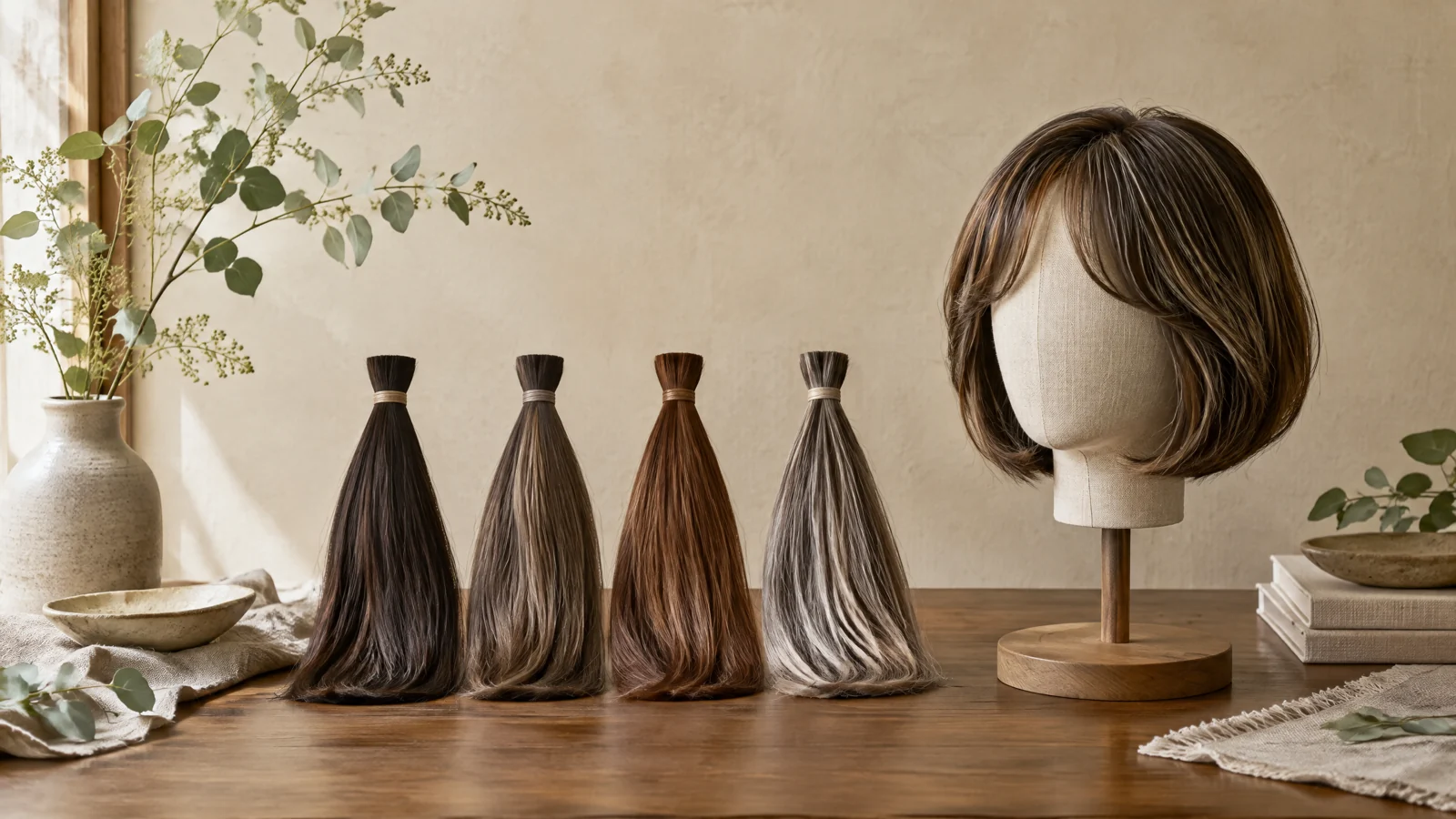
Hair topper blending depends on parting, colour, length, density and the cut working together. Test the piece with your usual styling in ordinary light, then confirm its limitations with the supplier instead of forcing your natural hair into a fixed shade.
A coloured haircut has its own root depth, reflection and fading pattern. A topper has a base, a density and an attachment method. Treating both as one ordinary head of hair can expose a hard part line, a heavy crown or an abrupt end. This guide turns the decision into observable checks that you can discuss with the relevant professional.
All planning examples here are hypothetical. They illustrate questions and sequencing, not client stories, product guarantees, prices, stock, lead times or medical conclusions.
01
What exactly needs to blend?
A convincing topper blend starts with placement, not with scissors. A hair topper is a partial-coverage piece, so the surrounding natural hair remains part of the design. First identify the visual problem: a widening centre part, a visible crown, reduced density behind the part, or a broader area across the top. The answer changes the base area, the parting plan and the amount of natural hair you need to keep around the edge.
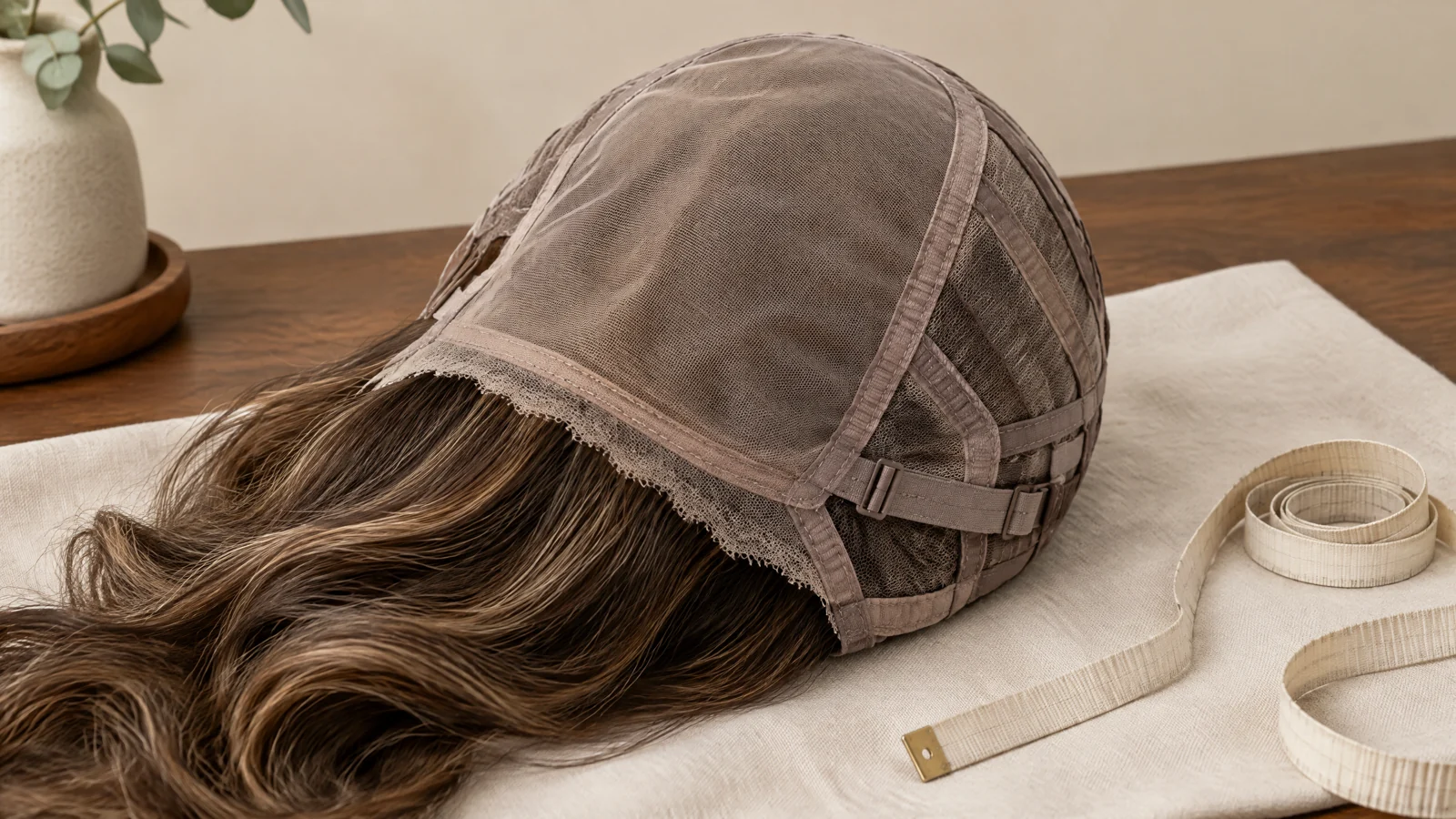
A few terms make the consultation clearer. The base is the material that supports the hair and sits against the scalp or existing hair. The part is the direction in which you normally separate and style your hair. Density describes how much hair the piece appears to contain in an area; it is not the same as length. These details matter more than a label such as human hair or a colour name.
Hypothetical planning example: someone who sees scalp mainly along a centre part may compare a smaller partial piece with a part that follows daily styling. They would not automatically need a piece covering the whole top. This example is only a planning model, not a client story or a diagnosis. If shedding changes suddenly, or the scalp is painful, inflamed or persistently uncomfortable, cosmetic coverage should not replace medical advice.
Before an appointment, photograph the hair in the part you actually wear, rather than only in a freshly changed style. Note what you want to keep: fringe, side length, ear coverage, ponytail movement or a particular crown direction. A clear brief lets the stylist test one variable at a time and avoids trying to correct an incorrect placement with an aggressive cut. If you need a reference for observing a part in changing light, the babylight service page offers a useful colour-transition vocabulary.
02
How should colour be matched after salon colour?
Colour matching is more than finding a shade name. Compare the root, middle length and ends in the light in which the hair will normally be seen. Freshly coloured hair may look more saturated than it will after washing, while a topper may reflect light differently from the natural hair beside it. Place the piece next to the part, then view the front, both sides and the overall silhouette under consistent light.
If the natural hair has highlights, balayage or a faded end, the topper does not have to reproduce every individual strand. The important questions are whether the root area meets the part naturally, whether the brightness changes at a similar point and whether the ends sit in the same visual family. Describe the colour as root, body and ends before deciding whether a styling change or a colour consultation is needed.
Human hair does not mean unlimited bleaching or colouring, and synthetic fibre does not automatically mean heat-safe. The exact product instructions and supplier assessment control what can be done. A processed piece may have limitations that cannot be inferred from its category. Confirm colour, heat and chemical permissions for that specific item before treating it as salon hair.
For a useful record of your own colour change, compare hair colour before-and-after tips in consistent light and at the same angle. That can help separate a true shade mismatch from a camera or lighting shift. It is a comparison method, not a promise that any piece can be recoloured.
03
How should the outline meet the natural haircut?
Cut only after the piece is positioned as it will be worn. A small change in placement alters the fringe, temple, ear and neckline proportions. Secure the intended part, move your head as you normally do and then inspect the outline. The goal is not to make the piece as thin as possible. The goal is to place transitions where the eye already expects a change in length or direction.
For a bob or shorter cut, compare the jaw, ear and nape lines with the natural hair. For longer hair, check whether the weight suddenly increases at the shoulder or collarbone. If the topper is denser than the surrounding hair, cutting it shorter may not solve the issue. A controlled change in perimeter and layers can move the weight, but preserve length until the placement has been tested. For another way to describe controlled brightness changes, the highlights page can provide visual language, but it does not determine the topper cut.
Fringe is often the first area to reveal a join. If you normally sweep it to one side, inspect it that way rather than only straight down. Small pieces around the temple can soften a transition, but they should not require pulling fragile natural hair over the edge. Clips, adhesive or other attachment methods must follow the piece instructions and should not create ongoing traction or discomfort.
Hypothetical planning example: a shoulder-length piece meeting a soft medium-length cut could be left long at first. The stylist can confirm the part and shoulder proportion, then refine the perimeter and only a few connecting layers. The outcome depends on the exact piece and hair, so the example is not a guarantee. For the general principle of checking the whole style, see this guide to blend a hair topper with natural hair guidance and limitations.
04
How do layers and density stop a topper looking separate?
Matching length does not automatically match density. If the top is full but the sides are fine, the piece can look like a separate cap. If it is thinned too aggressively, the shape may lose support and the base or part may become easier to notice. Start with the smallest useful adjustment. Look at the front, a 45-degree side view and the back before changing another feature.
Layering is a way of moving visual weight through different lengths. The first layer should relate to the face-framing line and the existing haircut, not to a generic diagram. A very short top layer may create a step; a very low layer may leave too much weight sitting at the crown. Fine hair may need a cleaner perimeter, while thick hair may need a clearer weight transition. These are assessment points, not fixed formulas.
Bring four practical answers to the consultation: Where is the everyday part? Which natural sections must remain? Will you tuck the hair behind the ears or tie it back? Which angle matters most? These answers are more useful than a single model photograph because they describe movement as well as appearance. A stylist can then decide whether the safer adjustment is length, layering, parting or no cut at all.
Colour work and haircut work also have different risks. Do not assume that a colour service can correct a density mismatch, or that thinning can correct a colour mismatch. If you are comparing graduated colour approaches, the balayage page may help explain visual transitions, but it is not a topper-cutting prescription.
| What you see | Check first | Safer first move |
|---|---|---|
| A bright part line | Base placement and root tone | Reset the part and compare in consistent light |
| A full top over fine sides | Piece and natural-hair density | Keep length and assess the perimeter |
| Heavy ends | Length and layer position | Refine the outline before thinning |
| An edge showing in movement | Attachment and wearing motion | Follow the item instructions; do not pull hair over it |
05
In what order should colour, fitting and cutting happen?
If the natural hair will be coloured, establish the target root, body and end impression before judging the topper. Do not include the piece in a chemical service until its instructions explicitly allow that treatment. Colour and topper cutting may involve different professionals, but both need the same brief: the final part, the length to preserve and the outline you want to see. Canvas Blend is a colour salon; it does not provide wig manufacturing or medical diagnosis.
During a fitting, bring the glasses, clips or hats you normally use. Turn your head, bend down and put the hair behind your ears. These simple movements reveal whether the base shifts, the edge shows or you would constantly reach up to hide it. Comfort is part of the result. If there is persistent pulling, stinging or discomfort, stop and follow the product guidance rather than styling through it.
If the comparison turns to material, OWNSTRAND’s human hair topper options and item-specific limits provide a starting category to discuss. Confirm the actual base, processing history, density and permitted trimming. Human hair is not permission to colour or lighten a piece freely, and the category page is not a confirmation of fit or supply.
Take photos from the front, both sides and after normal movement. Review them later rather than deciding only from the first mirror impression. A second look can prevent a cut that is too short and gives you precise language for the next adjustment. A good consultation is not about forcing a perfect match; it is about making the remaining differences intentional and manageable.
06
How can the blend stay believable without treating the piece like natural hair?
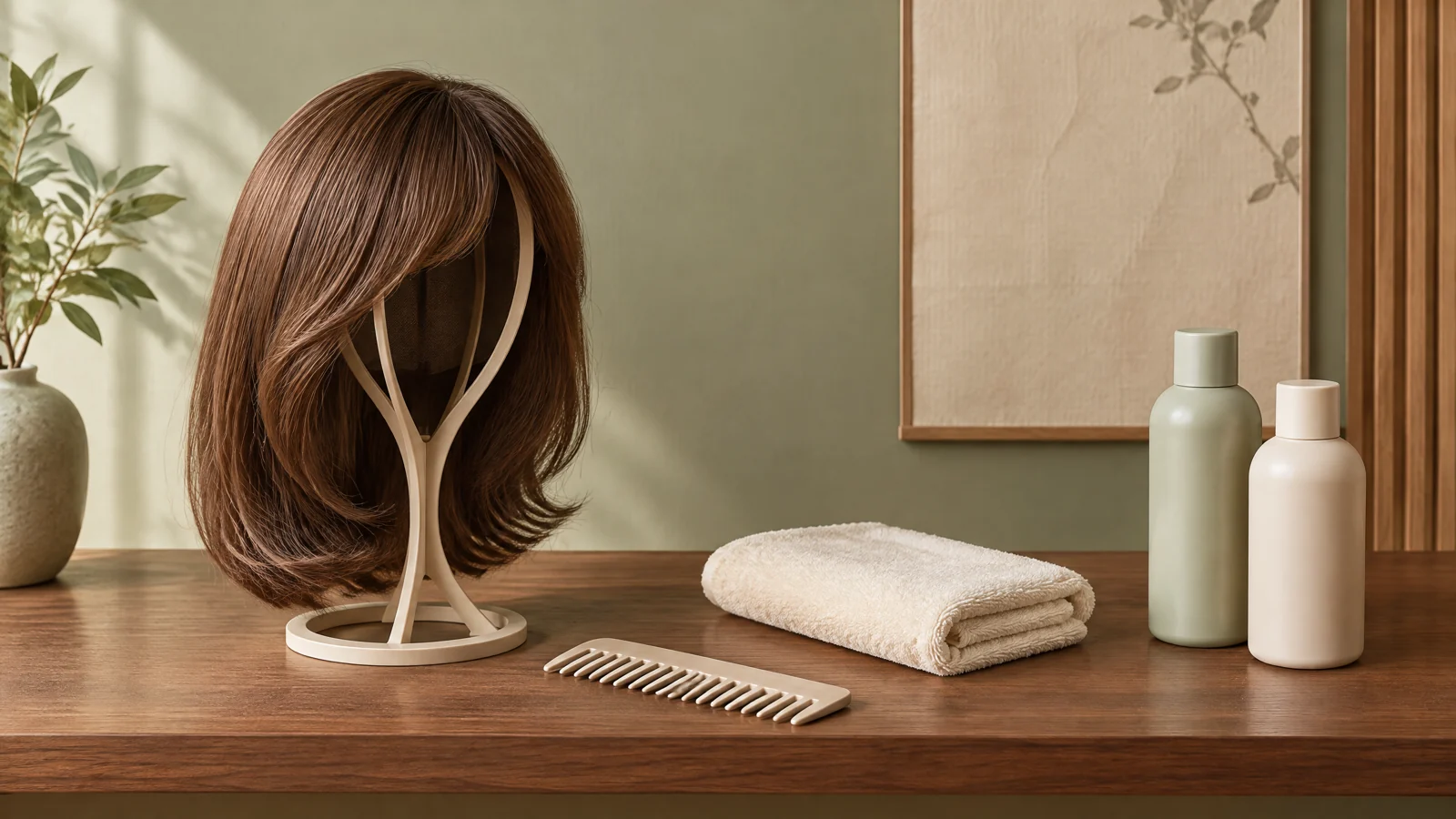
Begin daily styling gently. Detangle from the ends upward, avoid dragging a brush directly across the base or attachment, and follow the item’s washing, drying and storage instructions. If the instructions restrict heat, products or washing methods, do not generalise from another topper. A natural-looking result describes the appearance at one point in time; it does not prove that the material tolerates every routine. Before a salon discussion, you can use the colour booking page to organise your questions about the natural-hair cut. For colour-recording context, see these hair colour before-and-after tips before your next comparison.
Coloured natural hair changes with washing, sunlight and styling. The piece may also change in appearance through handling. Recheck both together before making another major colour change. If the root, ends or part begin to disagree, first decide whether the issue is placement, styling, colour fade or the condition of the piece. Only then choose a correction.
For a custom piece or a detailed cut, stabilise the wearing position before refining fringe, ends or layers. The discussion of custom hair topper fitting guidance and limitations shows why coverage, measurements and a return fitting are separate questions. The exact construction, quotation, timing and services for a particular design still need confirmation; do not turn one page into a universal promise.
Hair loss causes and scalp symptoms are medical questions. The American Academy of Dermatology explains that accurate hair-loss care begins by finding the cause through history, scalp examination and, when needed, tests. It also notes that wigs and concealers can give immediate cosmetic results but do not slow hair loss or regrow hair.[1] Cosmetic selection and medical assessment can happen alongside each other, but neither substitutes for the other.
- Record your current colour, everyday parting and preferred outline.
- Check the product label, attachment routine and supplier instructions.
- Confirm sample viewing, quotation and processing limits separately.
- Bring photographs and questions before deciding on a next step.
What else should you know?
Does human hair mean a topper can always be coloured?
No. Human hair does not mean unlimited bleaching or colouring. Check the exact item’s instructions and supplier assessment before chemical processing.
Should a topper always be thinned to look natural?
No. First assess placement, density and the outline. Over-thinning can remove support and make the part or base more visible.
Should natural hair be coloured before the topper is cut?
Set the intended placement, colour impression and length to preserve first. Do not include the piece in a chemical service until its permissions are confirmed.
Can I keep wearing it if my scalp feels uncomfortable?
Persistent pulling, stinging, inflammation or discomfort is a reason to stop the problematic routine and follow the product guidance or seek appropriate advice.
Can an online photo guarantee an exact colour match?
No. Screens, cameras and lighting alter colour. Compare the actual root, body and ends in consistent light whenever possible.
How do you turn the choice into a next step?
Before your next appointment, write down the area you want covered, the part you wear most and the length you must keep. Bring product details and photos taken in consistent light. Test placement first, then review tone, density, outline and comfort one at a time.
Canvas Blend can discuss salon colour and the cut of the natural hair. Product construction, attachment limits and medical concerns should be confirmed separately with the supplier or a healthcare professional. Clear boundaries make the visual goal more realistic and the consultation more useful.
Sources and editorial notes
This AI-assisted Canvas Blend editorial guide is not a first-person case study or an article reviewed by Vit So. OWNSTRAND shares the site owner; links do not imply a joint package or medical certification. Confirm product materials, processing, care, fees and availability with the supplier in writing. Consult qualified healthcare professionals about hair loss or scalp symptoms.
Canvas Blend Editorial / AI-assisted research. This article covers cosmetic selection and salon colour/cutting only; it does not provide medical diagnosis, wig manufacturing, an OWNSTRAND joint service, or Vit So review.