Colour × Wigs × Personal Choice
Full Wig or Hair Topper? Compare After a Colour Change
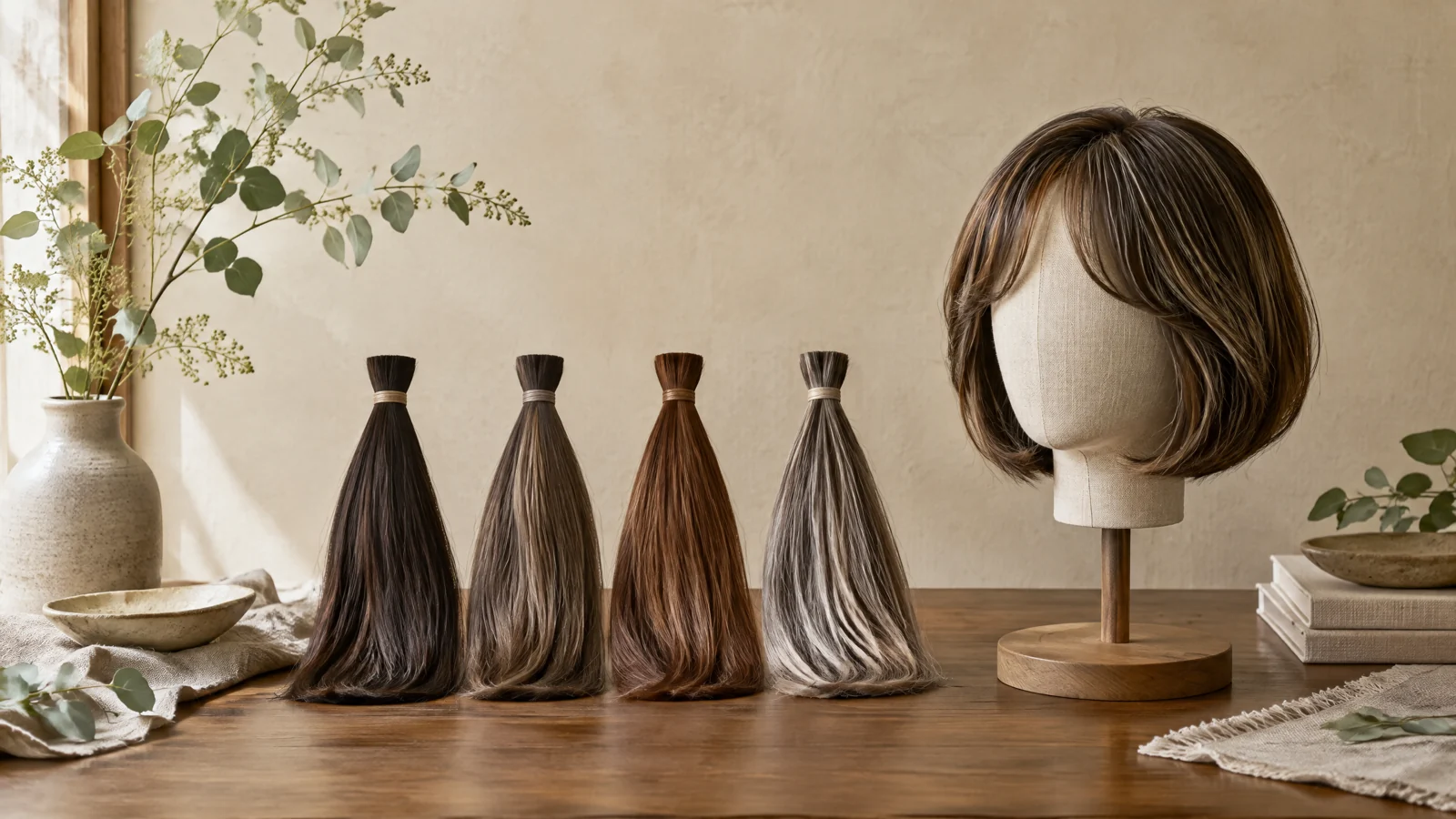
Full wig or hair topper is a coverage decision before a material or price decision. After a major colour or cut change, reassess the edge, length and contrast with any remaining natural hair rather than assuming the old piece will still blend.
Neither option is universally better: a topper targets local coverage while keeping your surrounding hair in play; a full wig creates a new whole-head starting point. After a major colour or cut change, compare coverage, blending, fit and daily styling before you compare shade names.
This guide turns the choice into a fitting and routine test, with clear limits around materials and scalp comfort.
01
Do you need whole-head coverage or a crown correction?
After a major colour change or haircut, do not begin by asking which category is better. Begin with coverage. A hair topper addresses a selected area such as the crown, part or a local thinning point, while the surrounding hair remains part of the look. A full wig covers the head and gives you a new starting point for the complete silhouette. That single distinction affects blending, fit and styling every day.
If you have moved from dark hair to a much lighter shade, or cut long hair into a short shape that feels unfamiliar, a topper may let you keep the lines you still like. If the cut is highly layered, the colour difference is obvious at several edges, or the surrounding hair is too short to conceal a base, a full wig may create a cleaner visual reset. It also asks you to accept a new hairline, part and cap fit. For a practical record of the change, use the salon guide to hair colour before-and-after tips.
The OWNSTRAND hair topper versus wig questions and options guide frames the choice around coverage, the hair available for blending, attachment and daily styling. Use that as a checklist, not as a universal verdict. Mark the area you want to change on a photo before you compare lengths or shades.
Consider a hypothetical planning example. One person cuts to an ear-length bob and only dislikes the visibility at the part; she may sensibly test a topper while keeping her own outline. Another person bleaches a short, heavily layered cut and wants the entire shape to look consistent during a transition; a full wig may be easier to test first. These are planning examples, not client stories or medical recommendations.
| Question | Hair topper | Full wig |
|---|---|---|
| Main area handled | Part, crown or selected zone | Whole-head appearance and silhouette |
| Role of existing hair | Surrounding hair helps conceal and blend | Less reliance on surrounding hair for the overall look |
| After a major colour change | Colour mismatch is concentrated at the join | Can reset the overall tone, but hairline and part still need fitting |
Map the area first; colour and length come second.
02
Can your post-colour hair still blend naturally?
A topper looks natural through more than its own shade. The piece and your surrounding hair need to agree in tone, shine, density, direction and layering. After bleaching, the ends may reflect light differently from the roots, and two colours with the same name can look unlike each other indoors and outdoors. Move your head during a fitting and inspect the join instead of relying on one front-facing photograph. If you want to reduce another bleaching step, compare no-bleach hair colour options in Hong Kong.
Human hair is not a licence to bleach or colour without limits. The piece has its own processing history, base and care requirements. Synthetic fibre is not automatically heat-safe either. Treat heat-friendly claims as product-specific and follow the written instructions for that exact item. If the supplier has not approved a treatment, regard it as unconfirmed rather than experimenting on an expensive piece.
When the surrounding hair still has enough length and density, a topper can preserve your new cut while a small professional trim softens the transition. When the perimeter is very short, the tone is far apart, or you do not want to style a join every morning, full-head coverage may be easier to make visually consistent. A full wig still needs correct cap size, hairline placement and part direction.
Record the changed colour in window light, warm indoor light and an unfiltered phone image. This is not a substitute for colour matching; it simply helps you describe where the tone looks grey, golden or red. If bleaching has left you unsure about the next step, read the salon's guide to whether bleaching damages hair, then verify any piece-specific limits with its supplier.
Blending is a relationship between the piece and your hair, not a shade-name contest.
03
What should you check during a fitting?
A fitting is more than placing a piece on your head for a selfie. Confirm front and back orientation, then check whether the base sits where you normally part your hair. With a topper, ask whether clips or another attachment method pull on the hair that must support the join. With a full wig, check pressure, movement and bulk around the ears. Use the product instructions and your actual comfort as the limits.
A major haircut can change your sense of proportion even when the colour is right. Part the fringe, expose the forehead, switch your usual side part and simulate a low ponytail if that is part of your life. View the shape from the side and back. A short cut may make excessive length or density feel more obvious than it did from the front.
Cancer Research UK explains that a wig fitter can help with style and colour, and recommends taking time rather than rushing a fitting. It also notes that a wig tried on while you still have hair may need a different size later, or an adjustable design; follow the supplier's wearing and care directions[1]. This article does not diagnose hair loss or replace clinical advice.
Use this order at a fitting: coverage, base or cap, movement, comfort, and only then colour. That sequence prevents a beautiful shade from distracting you from a slipping edge, an uncomfortable attachment or a cap that changes the silhouette.
- Bring before-and-after photos taken in natural light.
- Explain your normal part, fringe and tying habits.
- Walk, bend and turn to test movement and tension.
- Ask for the exact fibre, base, washing and heat instructions.
A stable, comfortable fit matters more than a perfect still photograph.
04
How much daily styling are you willing to do?
A topper usually means managing two hair systems: the piece and your own perimeter hair. That can preserve your personal cut, but it adds decisions. You may need to smooth the join, reset the part or adjust the surrounding layers in humidity. For someone who enjoys styling, that control is a benefit. For someone who wants to put on a style and leave, it can become a daily tax. Pair the decision with the salon guide to post-colour hair care.
A full wig concentrates the styling starting point in one design. It can temporarily bypass colour mismatch and an uneven transition, but it still needs a routine for cleaning, drying, storage, attachment and styling according to the product instructions. Do not assume that every synthetic fibre, cap or human-hair wig behaves alike.
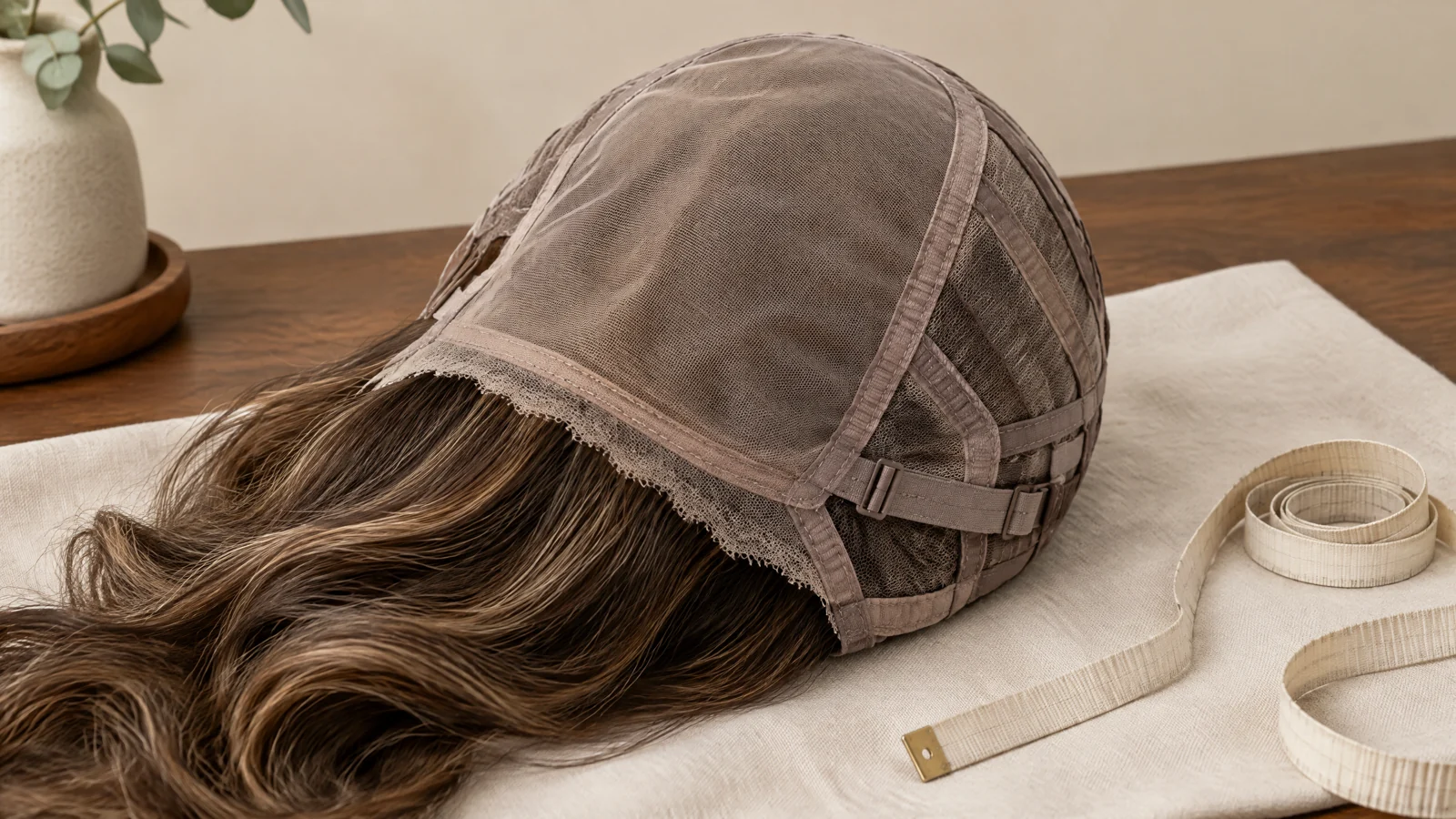
A useful full-wig comparison starts with coverage, silhouette, cap, hairline, parting, fibre, length, colour and care rather than photographs alone. List the routine you can sustain before you commit to a material or finish.
After a major colour service, work in two phases. First stabilise your own hair and observe how it responds to washing and styling. Then decide whether a piece needs adjustment. This avoids making several irreversible changes while the colour, length and texture are still settling.
| Your routine | A topper may suit when | A full wig may suit when |
|---|---|---|
| You want to keep your cut | You enjoy blending the perimeter | You accept a complete new silhouette |
| You have little morning time | You can maintain a simple join routine | One repeatable wig routine feels easier |
| Your colour is still changing | You want local, flexible coverage | You want one consistent look while the transition settles |
Translate the look you want into steps you can repeat.
05
How do you avoid material and colour-care assumptions?
The common mistake after a dramatic colour service is treating a wig or topper as if it were simply another section of your own hair. Identify whether it is human hair or fibre, then read the care card for washing, heat, colour services and storage. Even within one material category, a base, coating, curl pattern and construction can change the limits. Another person's successful treatment is not evidence for your piece.
If you want a new look without another round of bleaching, change the selection strategy. A closer shade, a controlled contrast or a different part can reduce the need to force an exact match. OWNSTRAND's information on synthetic hair topper options guidance and limitations is useful for forming questions about fibre and care, but the exact product instructions remain decisive.
Care for your own hair and the piece as separate systems. Your hair may need gentler washing and less tension; the piece may have a specific cleaning and drying method. If you notice pain, stinging, crusts or persistent irritation, stop the wearing method that creates tension and seek appropriate medical advice. The American Academy of Dermatology warns that repeated pulling and tight coverings can contribute to traction alopecia[2].
Ask not only whether a piece can be coloured, but who will maintain it, whether the process affects the base and what happens if the result does not match. When the answer is unclear, choose the conservative interpretation. A slightly less exact shade is often safer than an unapproved chemical experiment.
A material label starts the conversation; product-level instructions finish it.
06
How can you turn the comparison into a decision?
Make a four-column decision note. Record the area to cover, the natural hair you want to keep, the time you can spend each day and the sensations you will not accept, such as clip tension, cap pressure, heat or a fixed part. When your constraints are explicit, a fitting becomes a test rather than a vague search for the most attractive photograph.
If both options remain plausible, run a low-commitment trial. Wear a topper through an ordinary workday and a humid day. For a full wig, simulate commuting, sitting indoors, moving outdoors and removing it at home. Note movement, weight, edge visibility, sweat, styling minutes and the next morning's condition. Those observations predict repeat use better than one special-event photo.
When you want coverage across the whole head, use women’s full-head wig options and fitting questions to define the category before comparing a topper. The decision still depends on remaining hair, cap fit, silhouette and daily handling. A category description is not confirmation that any individual style is suitable or available.
Your decision does not have to be permanent. A haircut grows, a colour fades and your schedule changes. A topper makes sense when your natural hair remains a useful part of the design. A full wig makes sense when you need a complete visual reset. The most defensible answer is the one that matches today's coverage, comfort and routine—not a category declared best for everyone. If you need a colour or cut consultation, use the salon booking page to plan the next step.
Test on an ordinary day and a difficult day before committing.

What else should you know?
Do I need a full wig after a major bleach or colour change?
Not automatically. A topper can work when the issue is local and the surrounding hair blends. A full wig is worth testing when coverage, colour contrast and the overall shape are problems across the head.
Can a topper damage my natural hair?
Risk depends on attachment, weight, wear time and your scalp. Stop if you feel pain, stinging or pulling, and seek appropriate advice; cosmetic selection is not a diagnosis of hair loss.
Can every human-hair wig be bleached again?
No. Human hair does not mean unlimited chemical processing. Confirm the exact piece, its processing history, base and supplier instructions before any colour service.
Is every synthetic topper heat-safe?
No. Heat permission is product-specific. Use heat only when the written instructions approve it and specify how it should be used.
What should I bring to a fitting?
Bring unfiltered before-and-after photos, explain your usual part and routine, and describe how long you expect to wear it. Walk, bend and turn while checking movement, tension and edges.
How do you turn the choice into a next step?
Write down your coverage area, acceptable routine and comfort limits. Bring before-and-after photos to a fitting, then test the option on an ordinary day and a difficult day before committing.
Canvas Blend is a Hong Kong colour salon. This article offers cosmetic and general care information only; it does not provide wig making, medical diagnosis or a joint service with OWNSTRAND. Explore salon services separately if you need colour, cutting or damaged-hair care.
Sources and editorial notes
- [1] Cancer Research UK — Wigs, hats and scarves
- [2] American Academy of Dermatology — Hairstyles that pull can lead to hair loss
This AI-assisted Canvas Blend editorial guide is not a first-person case study or an article reviewed by Vit So. OWNSTRAND shares the site owner; links do not imply a joint package or medical certification. Confirm product materials, processing, care, fees and availability with the supplier in writing. Consult qualified healthcare professionals about hair loss or scalp symptoms.
Canvas Blend Editorial / AI-assisted research. OWNSTRAND facts are used only within the verified brief scope; no universal claims are made about price, stock, lead time, heat tolerance or dyeability. Planning examples are explicitly hypothetical, not client cases.