Hair Colour Allergy Treatment: Symptoms & Prevention
Quick Answer: What is the first step in hair colour allergy treatment?
The first step in hair colour allergy treatment is to immediately stop the dyeing process and thoroughly rinse your hair and scalp with plenty of warm water and a mild shampoo to remove all dye residue. For mild sensitivity or redness, apply a cold compress. If you experience severe symptoms like difficulty breathing or facial swelling, seek medical attention immediately. Prevention is key: always perform a patch test 48 hours before coloring to avoid PPD allergies.
When travelling with a stroller, luggage, or a pet carrier, information on hair salon Sheung Wan offers a practical way to check walking routes and arrival details beforehand.
Why Does Hair Dye Sensitivity Occur? Understanding PPD/PTD Allergens
Hair dye sensitivity usually occurs when the immune system overreacts to certain chemicals in the dye. The most common allergens are PPD (Paraphenylenediamine) and PTD (Paratoluenediamine). These ingredients are primarily used in permanent hair dyes to help pigments penetrate the hair cuticle and lock in color, especially in dark shades or products designed for grey coverage.
When PPD-containing dye touches the scalp, some people's immune systems mistake it for a harmful substance, triggering a PPD allergy. Besides PPD and PTD, ammonia, hydrogen peroxide, and certain preservatives can also cause contact dermatitis. Individuals with a sensitive scalp are more susceptible to these chemicals. Understanding ingredients is key to prevention.
What Are the Symptoms? Distinguishing Redness from General Irritation
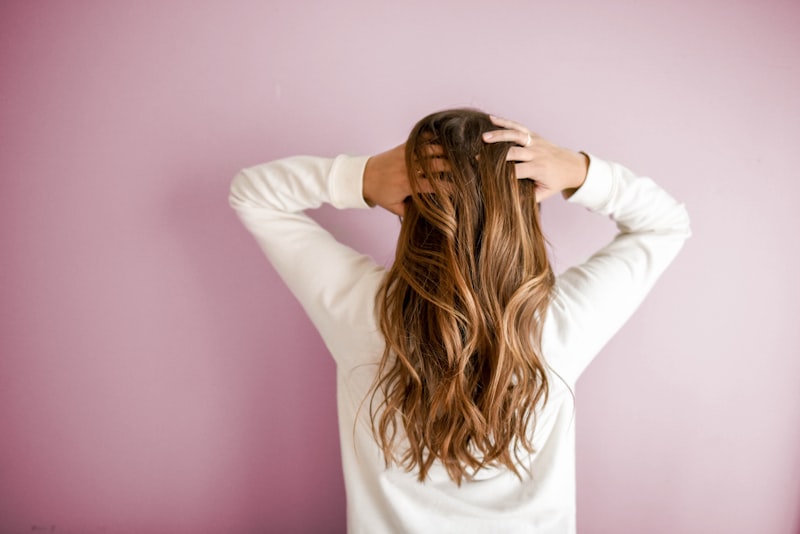
Symptoms of a hair dye allergy can range from mild local discomfort to severe systemic reactions. Early signs include an itchy, stinging, or tight scalp. As the reaction progresses, noticeable redness and swelling may occur, with red patches, bumps, or blisters appearing on the scalp, hairline, ears, and neck.
To distinguish general chemical irritation from a true allergic reaction, observe the timing and scope. General irritation usually happens during or immediately after dyeing, presenting as brief stinging that resolves after washing. A true PPD allergy (allergic contact dermatitis) is delayed, often appearing hours or up to 48 hours later. Symptoms worsen and can spread to the face and eyelids. Severe redness with oozing is a clear sign requiring immediate hair colour allergy treatment.
Immediate First Aid Steps for Hair Colour Allergy Treatment
If you notice symptoms of sensitivity, correct and immediate treatment is crucial to alleviate discomfort and prevent worsening:
- Rinse Immediately: If it happens during the process, ask the stylist to stop and rinse thoroughly with warm water and mild shampoo.
- Cold Compress: Apply a cold, damp cloth or wrapped ice pack to swollen areas for 15-20 minutes to reduce redness and itching.
- Avoid Scratching: Do not scratch. Breaking blisters increases the risk of bacterial infection.
- Gentle Care:Pause harsh chemicals. Use gentle products and focus on scalp care to repair the barrier.

When to Seek Professional Medical Help?
While mild sensitivity can be managed at home, certain situations require immediate medical attention. Go to the ER or see a dermatologist if you experience:
If you are searching for hair colour salon Central, plan a colour visit around meetings or after work, with enough time to discuss tone, upkeep, and your journey from Central.
- Difficulty breathing or swallowing (signs of anaphylaxis)
- Severe swelling of the face, eyelids, or lips
- Systemic rash or hives spreading across the body
- Blisters, oozing, or pus on the scalp
How to Prevent Allergies? The Importance of a Patch Test
The most effective way to prevent an allergy is a patch test. Whether it's your first time or you've used the same dye for years, always test 48 hours before coloring. Your immune system changes over time.
How to do a Patch Test:
- Mix a small amount of the dye.
- Apply to a clean, dry area behind the ear or inner elbow.
- Leave it dry and untouched for 48 hours.
- If redness, itching, or blisters appear, do not use the product.
Can I Still Dye My Hair After an Allergy? Low-Allergen Alternatives
If you've experienced a PPD allergy, you might worry about never dyeing your hair again. Fortunately, there are low-allergen alternatives. Look for 'PPD-Free' or 'PTD-Free' products. You can also change techniques. For example, opting for Balayage or Highlights keeps the dye off the scalp, reducing chemical contact. If you are sensitive to bleach, ask about no-bleach color options. Always communicate your allergy history with your stylist.
Comparison of Common Hair Dye Allergens & Irritants
| Ingredient | Function | Risk Level | Common Symptoms | Alternative/Advice |
|---|---|---|---|---|
| PPD | Primary pigment for dark/lasting color | Very High | Delayed dermatitis, severe redness, blisters | PPD-free dyes, off-scalp techniques |
| PTD | Common PPD alternative | High | Similar to PPD, slightly lower rate | Patch test required |
| Ammonia | Opens cuticle for pigment entry | Medium (Irritant) | Stinging, redness, strong odor | Ammonia-free dyes |
| Hydrogen Peroxide | Oxidizes pigment, lifts natural color | Medium (Irritant) | Dry scalp, stinging, hair damage | Adjust volume, enhance haircare |
Frequently Asked Questions
Will a hair dye allergy go away on its own?
Mild irritation may subside after washing out the dye. However, true PPD allergic contact dermatitis can last for days or weeks and requires proper treatment, sometimes medical intervention.
Can scalp protectors completely prevent allergies?
Scalp protectors form a barrier that reduces direct chemical irritation, but they cannot completely block allergens. They do not 100% prevent immune-triggered PPD allergies. A patch test is still essential.
Are plant-based dyes like Henna completely safe?
Pure henna has a very low allergy rate. However, many 'natural' dyes still add PPD or other chemicals for color variety and longevity. Always read the ingredients and perform a patch test.
Can I use steroid cream for redness and itching?
For severe redness and itching, a doctor may prescribe a topical steroid cream to reduce inflammation. Always use it under medical guidance to avoid side effects.
Looking for a Safe, Low-Allergen Color Experience?
At Canvas Blend, we prioritize your scalp health. Book a consultation for a patch test and discover our gentle coloring techniques.
When comparing hand-painted dimension with partial highlights, check balayage price Hong Kong first, then consider the time available and the level of contrast you would like.
Book a Consultation via WhatsAppContinue Reading · Knowledge Web