Colour × Makeup × Hong Kong
Graduation to Banquet Hair and Makeup Planning
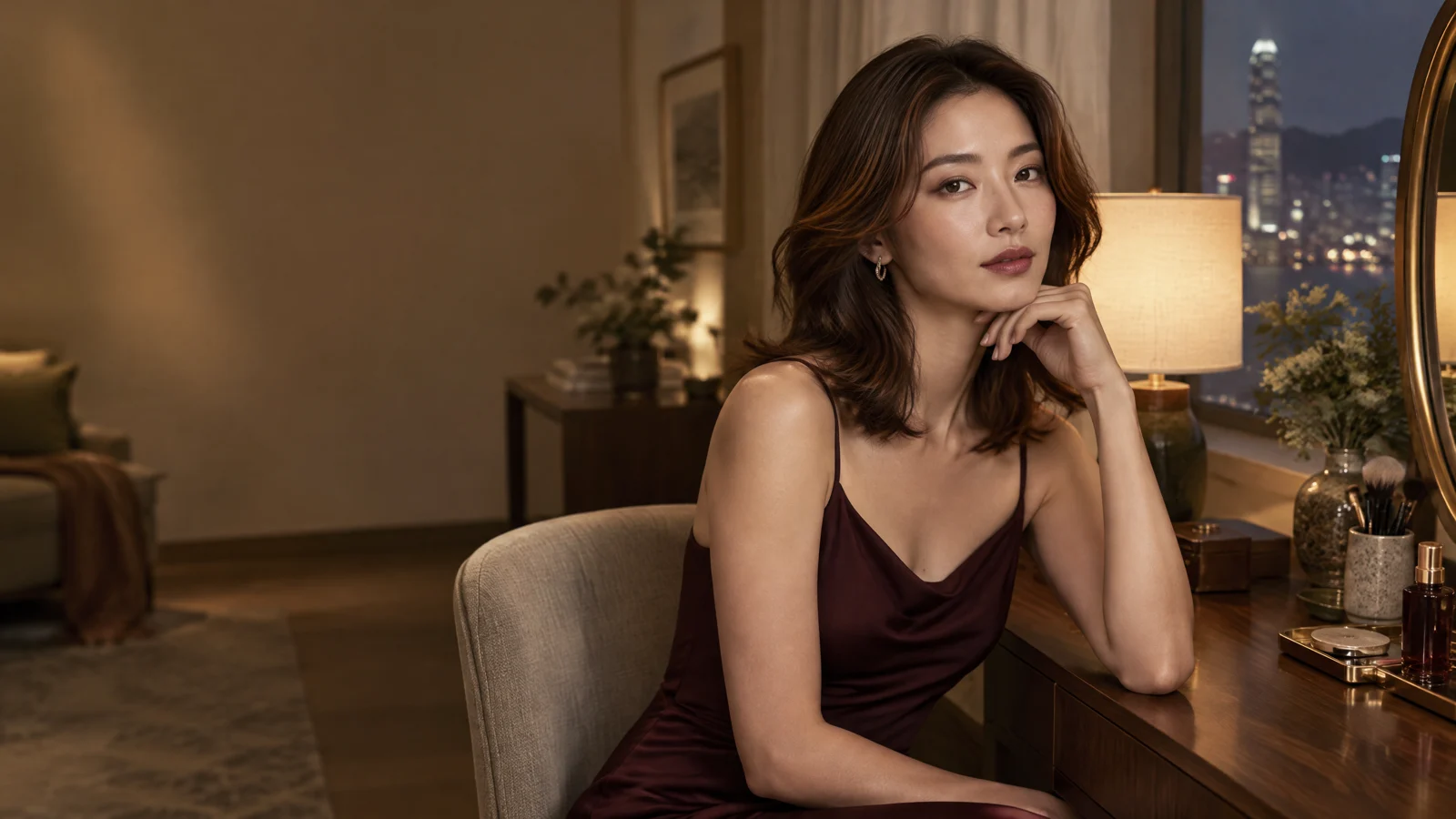
The most workable graduation-to-banquet plan is usually not a full removal and rebuild. Start with a light, cap-friendly base that is comfortable in daylight, then use the evening window to strengthen one focal point and reshape the hair with a clear run sheet. The cap, gown, travel time and evening neckline should decide the plan before any product does.
A graduation day can move from family portraits and a campus ceremony to dinner, a hotel function or a celebratory banquet. Daylight asks for an identifiable, relaxed version of you that sits well beneath a mortarboard. Evening asks different questions about artificial light, a dress neckline and closer social distance. Treating them as two unrelated looks can mean excessive base makeup, rushed outfit changes and little time to enjoy either event.
A better approach is to build one look with two intentional settings. This guide separates the elements that should hold from morning to night from the ones that can change quickly. All timings below are planning examples, not appointments, prices or promises of a particular result.
01
What should stay in place from graduation through the evening?
Choose a stable core rather than a permanently dramatic face: even but flexible base makeup, brows with a clean shape, blush placement that suits both outfits and hair roots that can sit beneath a cap. These are the decisions that save time later. Daytime makeup does not have to disappear in photographs, but it should let skin texture and expression remain familiar instead of relying on heavy contour or repeated powder layers.
A practical division is to finish the base, brows, soft eye definition and a reapplicable lip in the morning. Keep the evening decision for later: a deeper outer liner, a stronger lip, an extra touch of cheek colour or an accessory. That sequence makes each addition deliberate and reversible. If bold makeup is not part of your usual routine, the banquet does not require a full smoky eye, false lashes and sculpted contour all at once.
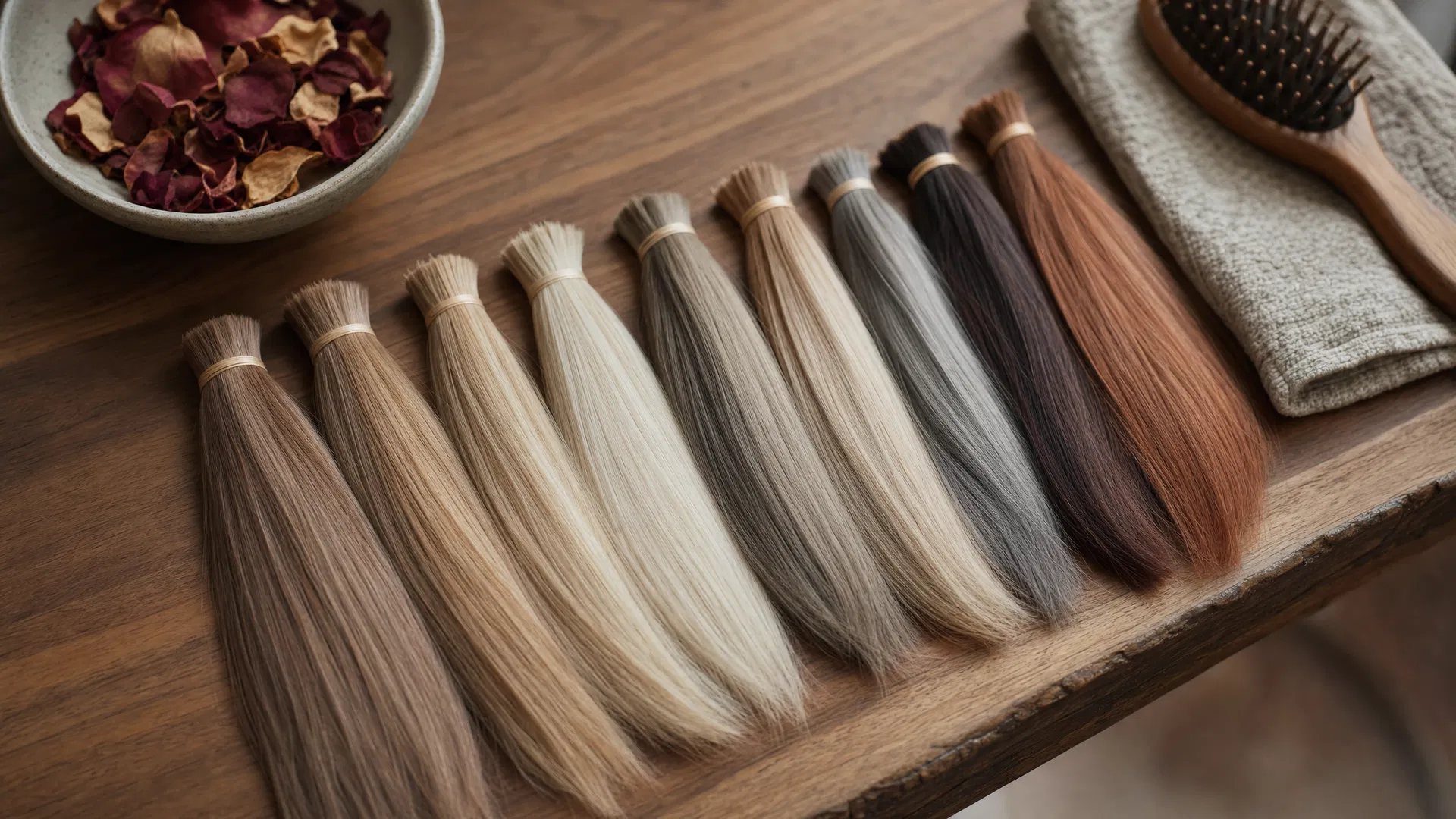
Hair colour is read differently beside a gown, in open shade and under indoor lamps. If your colour work is recent, do not make the event its first high-risk experiment with a new treatment or aggressive styling product. Use Canvas Blend’s post-colour hair-care guide to plan comfort and maintenance in advance, and use the cool-versus-warm tone notes only as language for describing the balance you prefer—not as a reason to treat your existing colour as a flaw.
- Choose a lip product you already find comfortable and can bring for reapplication.
- Write down one evening change before the day starts: deepen the eye, change the lip or add an accessory.
- Test your own cap at home if you expect to remove it for portraits.
A flexible base and a stable hair foundation give the evening transition room to be selective.
02
How do the mortarboard, gown and campus photographs change the plan?
A mortarboard affects more than crown volume. You may put it on and take it off for formal portraits, the ceremony and casual photos, so fringe and parting need a recovery plan. A very lifted fringe can demand more reshaping after each removal. A low-centred half-up style, a low bun or directional loose hair can be easier to reset, depending on your hair density, usual parting and how the cap actually sits. Bring a photo of the gown neckline, the cap and your own front and side view rather than relying on a single online hairstyle image.
For a daylight ceremony, base makeup has the job of evening the appearance of tone, not erasing every natural detail. Tell the artist if there may be flash, close family portraits or a short outdoor window, and explain how defined you normally feel comfortable wearing your makeup. For a service enquiry centred on gown, cap, schedule and a camera-ready but recognisable finish, review BigDeal Make Up’s graduation makeup Hong Kong information. Availability, scope, timing and any extras still need to be confirmed directly in writing.
Let the visible section of the gown guide the hair priority. A substantial or high collar can hide intricate work at the back, so a tidy hairline, ear area and shoulder-level surface may matter more than elaborate construction that will not be seen. If you want to describe a soft, wearable colour direction for your reference images, Canvas Blend’s milk-tea brown hair colour page can help frame that conversation without dictating a look.
Test the cap before choosing the hairstyle: the recovery after removal is part of the style, not an afterthought.
03
How can you build a schedule that protects the outfit-change time?
Work backwards from the first non-negotiable evening moment instead of writing a vague note to ‘touch up at five’. Include leaving campus, actual travel, finding the venue, changing clothes, checking accessories and the final mirror check. If friends are getting ready together, list each person’s latest finish time rather than using arrival order as the plan. The person with an early departure or a first photo should drive the sequence.
The table is a planning example only, not a statement about service duration or travel conditions. Suppose the first banquet photograph is at 19:00 and you want to arrive at 18:45. With a 20-minute journey, 10 minutes to dress and 35 minutes for the hair-and-makeup refresh, the refresh begins at 17:40: 19:00 minus a 15-minute arrival buffer, minus 20 minutes of travel, minus 10 minutes to change, minus 35 minutes to refresh. Add buffer rather than cutting the refresh if you also need to return a gown, queue for transport or change locations.
| Time | Task | Why it is reserved |
|---|---|---|
| 17:40–18:15 | Refresh makeup, change the hair focal point and pack the gown | 35 minutes for only the evening choices made in advance |
| 18:15–18:25 | Change into evening clothes and check accessories | 10 minutes so a completed hairstyle is not followed by a rushed outfit struggle |
| 18:25–18:45 | Travel | 20 minutes; replace this with your own realistic route |
| 18:45–19:00 | Arrive, settle, refresh the lip and locate the photo point | 15 minutes of buffer before the first formal photograph |
- Mark the moment that cannot move: seating, family photos, a speech or the event opening.
- Put a front-opening garment, shawl, earrings and hair accessory into the dressing calculation.
- If several people share one preparation space, prioritise departure times, not who turns up first.
Buffer time is not empty time; it is what allows the transition to remain calm and polished.
04
What belongs in a practical afternoon refresh kit?
A compact, familiar kit is more useful than bringing a whole new makeup bag. Pack tissues, blotting sheets, a small mirror, cotton swabs, your lip product, lip liner, a small comb and a few discreet pins. Blot or tidy the area that needs attention before adding a thin amount of powder. Repeatedly powdering the entire face can flatten the base that looked fresh in the daytime. For hair, a comb and matching pins often solve a shifted parting or ear-side flyaways more cleanly than repeated sprays. Canvas Blend’s touch-up guidance is a useful reminder that a local correction can be more effective than restarting everything.
If the eye area is irritated, inflamed or actively infected, do not push through with extra eye makeup for the banquet. FDA eye-cosmetic guidance says to stop using a product that causes irritation, avoid eye cosmetics with an eye infection or inflamed eye-area skin, wash hands, keep instruments clean and do not share eye cosmetics.[1] Tell the artist in advance if you wear contact lenses, have known sensitivities or want to avoid particular ingredients. This is sensible risk management, not a guarantee that a product will never cause a reaction.
Make the final lip correction close to arrival, especially if you expect to eat, drink or wear a mask or shawl during the transition. Avoid introducing a new acid treatment, adhesive, eye product or unfamiliar lipstick on the day. Being prepared means reducing variables, not adding more steps to a short window.
- Bring: tissues, blotting sheets, a mirror, your own lip product, a small comb and a few pins.
- Address: shine, lip edges and cap-pressed hairline before deciding to add colour.
- Avoid: shared eye products, applying eye makeup in a moving vehicle and using eye cosmetics through irritation.[1]
The best refresh kit restores a few visible priorities quickly; it is not a portable vanity table.

05
How can hair move from a cap-friendly shape to an evening silhouette?
A two-part hairstyle needs a foundation that can remain. For example, daytime hair may begin with a clean parting and low-level support that will tolerate the cap. Once the cap is off, release a few face-framing pieces, tuck one side behind the ear or add a prepared small accessory. This uses placement rather than a full re-curl. A very high, full crown made in the morning may not recover quickly after being compressed; a deliberately smooth start can still gain evening definition from parting, texture at the ends and jewellery.
The neckline is part of the hair brief. With an off-shoulder, one-shoulder or open-back dress, decide which side or back detail you want visible. With a high neckline or embellishment, avoid allowing loose hair and decoration to obscure one another. Bring front, back and side photographs of the outfit plus the physical dimensions of earrings and clips. If the lengths are feeling dry or have been processed recently, start with Canvas Blend’s damaged-hair repair and care information rather than relying on extra heat or hard pulling on the event day.
Travel, chair backs, shawls and the way a garment is put on can all affect the finish. If a dress must go over the head, agree the dressing order when planning the look. Trying a large accessory or a tight neckline for the first time after styling is a common way to catch hair or disturb the makeup. Neither hair-down nor an updo is universally safer; the useful choice is the one that accounts for your movements.
Keep a stable base, then transform it by releasing, tucking or accessorising rather than starting the hair from zero.
06
Under banquet lighting, should you deepen the eye or change the lip?
Choose one evening focal point. If the dress has sequins, statement earrings or a detailed hair piece, a precise eye and a richer lip may be enough without more complexity. If the dress is clean, dark or minimal, a deeper outer eye or clearer lip contrast can carry more visual weight. This also works at close range: the aim is features that remain readable, not every feature being stronger than it was at graduation. Note the dominant venue lighting, whether you will go on stage, the anticipated photography and any effects you actively want to avoid.
If you would rather plan one complete evening look than assemble a second look alone in a restroom, use BigDeal Make Up’s banquet makeup Hong Kong enquiry information to frame the discussion around the outfit, venue, ready-by time and preferred finish. The page does not automatically define your own booking: travel, second looks, on-site follow-up, timing, scope and charges must be confirmed in writing before the event.
The order of a self-refresh can stay simple. Check the under-eye area and lip edge, then either add a deeper liner, press a small amount of matte shadow at the outer corner or exchange the daytime lip for a more contrasting one. Artificial lighting varies, so no single warm or cool shade works for every person or room. A dress photo and a description of the venue are more useful than asking to reproduce a heavily edited reference image.
- Sequins or large earrings: keep the eye clean and let one lip or hair element lead.
- A simple dark dress: consider more outer-eye depth or lip contrast, without maximising both.
- Stage time or formal photography: describe the distance, lighting and schedule early so the contrast choice has a purpose.
Evening impact comes from selected contrast, not from making every feature heavier.

07
What should you include when you ask about a day-to-night plan?
Organise your message into four parts: the date and two locations; the non-negotiable graduation and banquet times; the two outfits and cap; and the elements you wish to keep or avoid. Add hair length, usual parting, glasses or contact lenses, purchased accessories and any eye-area or skin discomfort. Separate inspiration images into specific notes such as ‘this lip tone’ or ‘that low-bun placement’. Images made under different lights, with different hair density or filters, are direction rather than a promise of exact duplication.
When adaptability from day to evening is the main need, BigDeal Make Up’s day-to-night makeup guide can help you ask the relevant questions: is the plan one finished look, can a second change be arranged, when must it be completed and which items are separate? An enquiry page is a starting point, not confirmation of staffing, availability, scope or price; use the written response for those details.
Finish with a low-pressure practical test. Put on or hold your graduation cap, take it off twice, and see how the hairline behaves. Place your evening neckline, earrings and accessory together, then take one unfiltered photo by a window and one under an indoor light. This is a planning check, not a performance guarantee. For visual references, browse the Canvas Blend gallery; for an actual date and run sheet, use the booking page.
A useful enquiry explains the constraints of both events, so the reply can offer real trade-offs rather than vague reassurance.
What else should you know?
Do I have to remove my graduation makeup and start again for dinner?
Not necessarily. If the daytime base is still comfortable and even, manage shine, the under-eye area and lip edge first, then strengthen one evening focal point. Discuss a rebuild only if the makeup is uncomfortable, breaking down significantly or the evening brief truly requires a different structure.
Does a mortarboard rule out curls?
No. The decision depends on how the cap contacts the crown, how often you will remove it and how much time you have to reset afterwards. Test your own cap at home and share the result with the artist before choosing a high-volume or low-centred direction.
Should I choose a smoky eye or a bold lip for the banquet?
Choose the focal point in relation to the dress, jewellery, venue and your comfort level. A defined eye can be balanced with a softer lip; a stronger lip can work with a tidy, expressive eye. One clear priority is generally easier to wear than competing focal points.
When should I mention contact lenses or eye sensitivity?
Mention them at enquiry and again before eye work begins, along with prior reactions to products or adhesives and ingredients you need to avoid. If there is active infection, inflammation or persistent irritation, do not force eye makeup for an event; seek appropriate medical advice first.[1]
Do I need on-site touch-ups or a second look?
It depends on the gap between events, travel, the scale of the outfit change and whether you can refresh your own lip and hairline. Do not assume on-site support or a second change is included. Confirm the time, place and exact work required before booking.
How do you turn the plan into a next step?
A strong graduation-to-banquet transition does not make daytime imitate evening or erase the person who wore the gown. It protects a comfortable base and workable hair structure, then lets one evening focal point respond to the dress and light.
Test the cap, work backwards from the evening deadline, carry a compact refresh kit and describe both outfits with the real route between them. Any service scope, feasibility, timing, staffing and charge should be decided only through written confirmation with the provider.
Sources and editorial notes
This AI-assisted Canvas Blend editorial guide is not a first-person case study or an article reviewed by Vit So or Maggie Yeung. General information is not a substitute for individual professional or medical assessment. Confirm BigDeal arrangements in writing.
Timing examples are planning illustrations, not promises of service duration, travel conditions, availability or results; scope, extras and charges require the provider’s written confirmation.