Colour × Wigs × Personal Choice
Daily Wig Routine After Sport, Water and Washing: Guide

A daily wig routine starts with material, attachment and the product’s care instructions. Sport, swimming and washing introduce sweat, friction or moisture, so plan cleaning, detangling and drying for the specific piece instead of following one universal timetable.
Hong Kong humidity makes sweat, pool water and seawater more noticeable at the cap, nape and attachment points. A reliable routine is not a universal timetable. It is a short decision made after each exposure.
This guide separates preparation, sweat, swimming, washing, drying, storage and escalation. It also explains where the wearer, supplier, colour salon and healthcare professional each have a legitimate role.
01
How should you assess a wig before exercising?
Start with the care label and the activity, not with a promise that the wig will never move. Size, cap construction, attachment points, nape length and the range of movement all affect comfort. Compare the planned activity, wearing time, sweat level and post-workout cleaning plan before deciding whether the piece is suitable.
A cap is the inner structure that sits against the head; fibre describes the hair material, such as human hair or synthetic fibre. Human hair does not mean unlimited bleaching, colouring or heat. Synthetic fibre does not automatically mean heat-safe. If the label is missing, treat suitability as unknown and ask the supplier before proceeding.
Before leaving, gently check the edge and attachment areas for pressure, sliding or pulling. Turn your head and copy the movements you will actually make. An attachment method may improve stability under stated conditions, but it is not a guarantee. Stop and reassess if the wig hurts or visibly shifts.
After water or sweat, allow the item’s instructions to decide the drying sequence before attempting to restore its outline. The guide to human hair wig detangling after daily wear focuses on a different fibre context from synthetic care. Support the piece, check where tangles start, and avoid forcing the comb through a wet knot.
Comfort is also a timing question. A piece that feels acceptable for a short walk may become distracting during repeated movement or a longer session. Plan a small trial on an ordinary day, not before an important workout. Keep the label and supplier notes with the wig so future decisions remain specific.
Do not solve every movement problem by tightening the cap. Excess pressure can create a new comfort problem, and a tight fit does not make an unsuitable fibre safe in water or heat. Aim for a controlled match between product, activity and tolerance.
| Activity | Check first | More careful decision |
|---|---|---|
| Stretching or light activity | Fit, pressure points and return to position | Test briefly under the product instructions |
| Running or vigorous training | Attachment, sweat, friction and nape length | Test a limited session; do not treat stability as a guarantee |
| Long or sweaty activity | Fibre, cap and the cleaning plan | Allow time for rinsing or drying afterwards |
02
What should you do immediately after sweating?
After exercise, give yourself and the wig a moment before handling it. Do not force a comb through hair that is damp, tangled or being pulled in a hurry. First identify whether moisture is on the hair, cap or attachment. Then follow the label on whether to remove, rinse or simply arrange the piece.
For light perspiration, blot surface moisture with a clean, soft towel instead of rubbing back and forth. Blotting is not washing. If the cap is still damp, do not put it straight into a sealed bag. Ventilation and complete drying matter more than storing it quickly.
Hair at the nape can tangle through contact with collars and movement. Detangle a small section from the ends upward, and stop when resistance appears. This reduces avoidable pulling on a human-hair wig, but it cannot promise zero shedding, frizz or a perfect return to the original finish.
A salon should not guess a product’s restrictions for you. Canvas Blend can discuss natural-hair colour and styling coordination; for the natural hair itself, the post-colour hair-care guide may help you plan habits, while the wig’s own label remains the authority.
Give the cap and hair time to cool before making a styling judgement. Damp fibres can feel heavier or less cooperative, while a rushed brush can turn a small knot into a larger one. Compare the finish after drying before applying another product.
Separate body care from wig care. Refresh the scalp and skin according to personal needs, but do not transfer scalp products, oils or dry shampoo to the wig unless the manufacturer allows them.

03
How should you handle a wig before and after swimming?
Before swimming, check the fibre, cap, attachment method and product instructions again. A wig that is stable while walking is not automatically suitable for immersion. Pool or seawater adds wetness, friction, turning and pulling, so deciding whether that particular piece may enter water is more useful than planning a rescue afterwards.
Alopecia UK’s swimming article notes that swim caps are common head covering and discusses trade-offs among cap materials and products designed for exercise or swimming [2]. That is practical context, not a universal promise for every wig or attachment. Your product instructions and the pool’s rules still come first.
If the instructions do not support swimming, do not treat an ordinary wig plus a swim cap as an equivalent solution. If immersion is expressly allowed, rinse thoroughly as soon as possible after leaving the water so pool or sea water does not remain on the hair and cap, then follow the material-specific washing and drying directions.
The next use begins with storage. OWNSTRAND’s how to store a wig between wears is a useful resource when planning the space for a clean, dry piece without compression. Do not enclose retained moisture or assume all caps tolerate the same handling. Follow the item’s instructions for drying, shape support and checking before wearing again.
Swimming plans include changing-room handling. Bring a clean place to set the piece down, avoid direct sun or a wet bag, and keep separate caps or attachments identifiable. Simple logistics reduce hurried pulling after the session.
Confidence should be supported by a product decision. Some people choose a cap or purpose-designed option; others choose not to wear a wig in the water. Either choice can be valid when it respects product limits and personal comfort.
| Question | Everyday action | When to stop or refer |
|---|---|---|
| Can it enter water? | Check the label and supplier guidance | Do not guess when information is missing or says no |
| What after leaving water? | Rinse promptly and dry as directed | Stop pulling if the cap deforms or hair mats severely |
| Scalp discomfort? | Remove it and keep the area clean and dry | Seek healthcare advice for ongoing pain, redness or wounds |
04
How should shampooing and wig washing be planned separately?
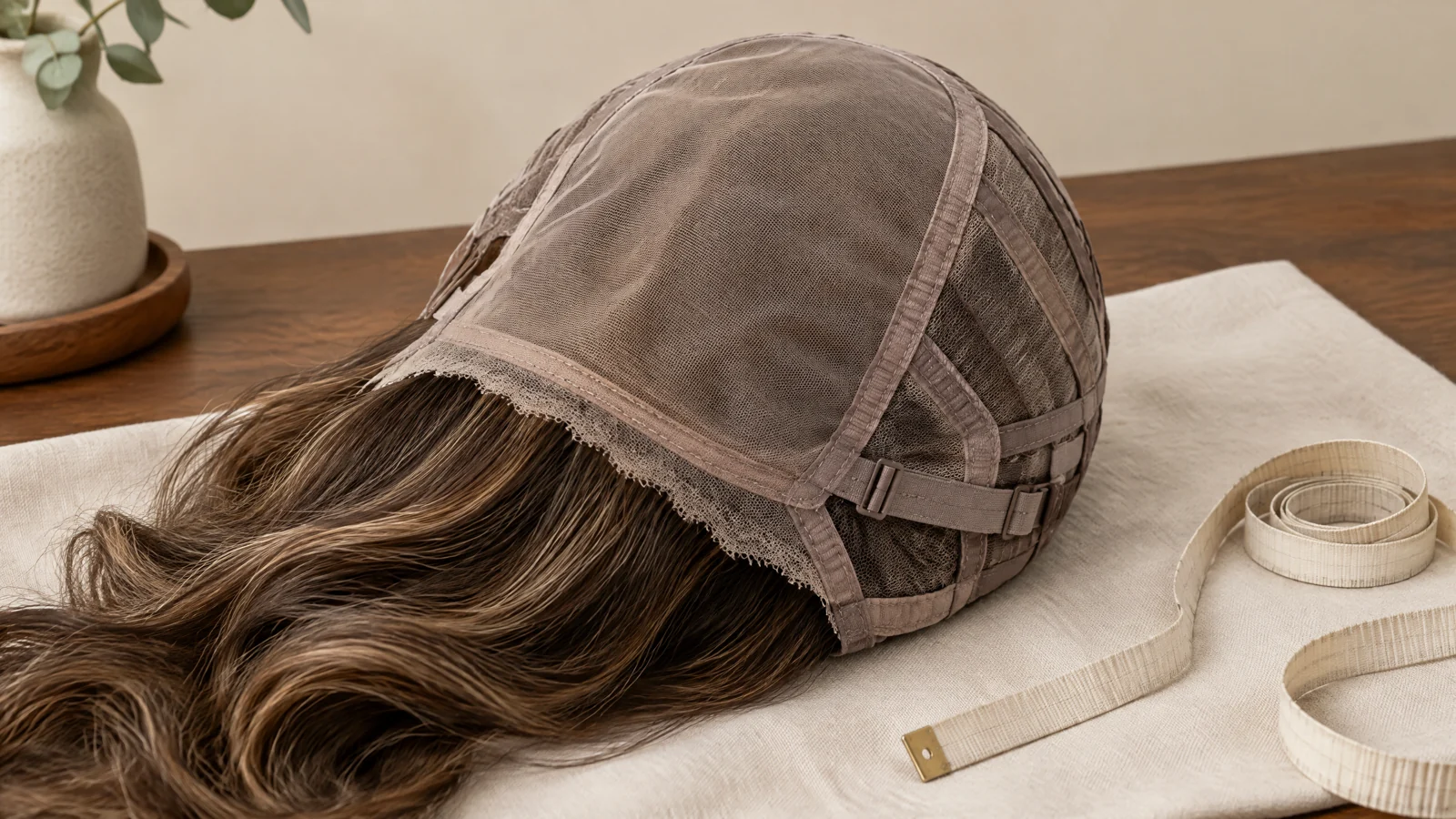
Shampooing usually cleans natural hair or the scalp; washing a wig treats a separate object with its own fibre and cap construction. They should not automatically share the same cleanser, water handling or force. Read the wig label first because fibre, cap and finish change what is appropriate.
There is no universal washing calendar. Wear, perspiration, styling-product build-up, humidity and the way the wig feels all matter [1]. Washing is not better simply because it is frequent, and waiting for severe matting is not a good system either. Keep the exposure and product guidance together when deciding.
Before washing, gently release tangles in sections from the ends upward and support the cap. Follow the supplier’s directions for cleanser, conditioner, rinsing and drying. Familiar-looking human hair is not permission to colour it, and a smooth synthetic fibre is not evidence that heat is safe.
For a step-by-step decision framework, see how to wash a wig and how often guidance and limitations and then return to your own label. If the question concerns natural-hair colour, damaged hair repair is a separate salon conversation, not a manufacturer’s wig-care promise.
Use a separate basin or clean work area when the instructions call for hand washing, and organise clips, combs and cleansers before you begin. Removing variables helps you tell whether a change came from water, handling, product or drying.
When in doubt, document the question instead of experimenting. A clear photograph of the label, cap and problem area gives a supplier more useful information than a vague description. Pause before applying a new conditioner or heat tool.
05
How can drying and storage preserve the next styling session?
Do not twist, wring or pull the ends with a towel after washing. Support the cap and let moisture leave in the way the product instructions allow. Drip drying, blow-drying and a stand cannot be inferred from the fibre name alone; cap shape and supplier limits matter too.
Store the piece only when it is fully dry. Short rests, post-wash drying, travel and long-term storage have different needs. A stand must fit the cap rather than stretch it. Protect the wig from sunlight, dust, pressure and trapped humidity, and do not force it onto a holder that is the wrong shape.
Before putting it away, check the nape for friction knots, the cap for dampness and the attachment area for looseness. This keeps small problems visible and makes a supplier conversation clearer. Fragrance does not prove that a wig is clean, so do not use scent to hide an unresolved odour.
If you are also planning natural-hair colour maintenance, touch-up service is a separate workstream. It can address natural-hair colour planning, but it does not mean wig colouring, repair or reconstruction. Keeping two care records protects both decisions.
Storage is part of the next wearing experience. A cap compressed while damp may be harder to place and inspect later. A protected, dry resting place makes it easier to notice a loose seam, persistent odour or repeated nape tangling.
For travel, prioritise protection from pressure and moisture rather than preserving every strand in a fixed pose. Use the intended case or a roomy clean container, and never infer that a travel bag replaces drying instructions.
06
When should you manage the wig yourself, contact the supplier or visit a salon?
Daily care is suitable for reversible, low-risk tasks: remove it according to the label, detangle gently, blot the surface, ventilate and record what happened. The supplier understands that specific fibre, cap, attachment and maintenance limits. Ask them first about unclear washing, heat, colouring or structural questions.
A salon’s role is natural hair and overall styling: depth, warmth, parting, silhouette and visual coordination with a wig. Canvas Blend is a Hong Kong colour salon. It does not make wigs, diagnose medical conditions or offer a joint OWNSTRAND package. State clearly whether the appointment concerns natural hair or styling coordination.
This is a hypothetical planning example, not a real client case: a reader exercises twice a week, sometimes swims and owns a human-hair wig with unclear instructions. The sensible sequence is to ask the supplier about water and heat, record the post-sweat condition, then speak with a salon only if natural-hair colour coordination is needed.
If fading changes the visual relationship between natural hair and the wig, hair-colour fading solutions can help you organise questions. It is not a wig-repair promise; it helps separate natural-hair colour, care habits and styling goals before different professionals take over.
A useful handover note includes the material if known, last wash, recent exercise or swimming, products used and the exact result wanted. This keeps the salon focused on natural hair or styling instead of guessing about the wig.
If the wig is visibly damaged, shedding unusually or no longer holding its shape, a colour appointment is not the first remedy. Photograph the issue, stop forceful styling and contact the supplier; a salon may still plan the surrounding natural hair.
Once you have noted the activity, fibre and natural-hair goal, use Canvas Blend booking to describe the scope before an appointment; this is for natural-hair and styling discussion only.
- Record your current colour, everyday parting and preferred outline.
- Check the product label, attachment routine and supplier instructions.
- Confirm sample viewing, quotation and processing limits separately.
- Bring photographs and questions before deciding on a next step.
What else should you know?
Must I wash a wig after every workout?
Not automatically. Consider the fibre, cap, sweat, product build-up, feel and label. Light perspiration may call for blotting and ventilation; complete washing should follow the product guidance.
Can an ordinary wig be worn swimming?
There is no universal answer. Confirm the fibre, cap, attachment and supplier instructions. If the information is missing or says no, do not infer permission from ordinary daily stability.
Can a human-hair wig be coloured like natural hair?
Do not assume so. Human hair is not unlimited permission to bleach or colour. Ask the supplier to assess that specific piece and understand the risk before any chemical service.
Can I seal a wig in a bag straight after washing?
Not while it is damp. Dry it as directed and protect it from trapped humidity, sunlight, dust, pressure and a holder that stretches the cap.
Should a salon handle an itchy or painful scalp?
Persistent pain, redness, wounds or unusual hair loss should be discussed with a healthcare professional. A salon can discuss appearance and styling, not diagnose a scalp condition.
How do you turn the choice into a next step?
Record the activity, water or sweat exposure and what the wig felt like afterwards. When limits are unclear, ask the supplier first. When the goal is colour coordination, cutting direction or natural-hair styling, speak with a salon.
If you are planning natural-hair colour or styling coordination, use the booking page to describe the request; this is not wig construction or medical care.
Sources and editorial notes
This AI-assisted Canvas Blend editorial guide is not a first-person case study or an article reviewed by Vit So. OWNSTRAND shares the site owner; links do not imply a joint package or medical certification. Confirm product materials, processing, care, fees and availability with the supplier in writing. Consult qualified healthcare professionals about hair loss or scalp symptoms.
Canvas Blend Editorial / AI-assisted research. Ownstrand page facts are used only within the verified brief. This is not written or reviewed by Vit So and does not offer medical diagnosis, wig construction or a joint package.