Colour × Makeup × Hong Kong
Bridal Hair Colour and Makeup Trial Planning Guide
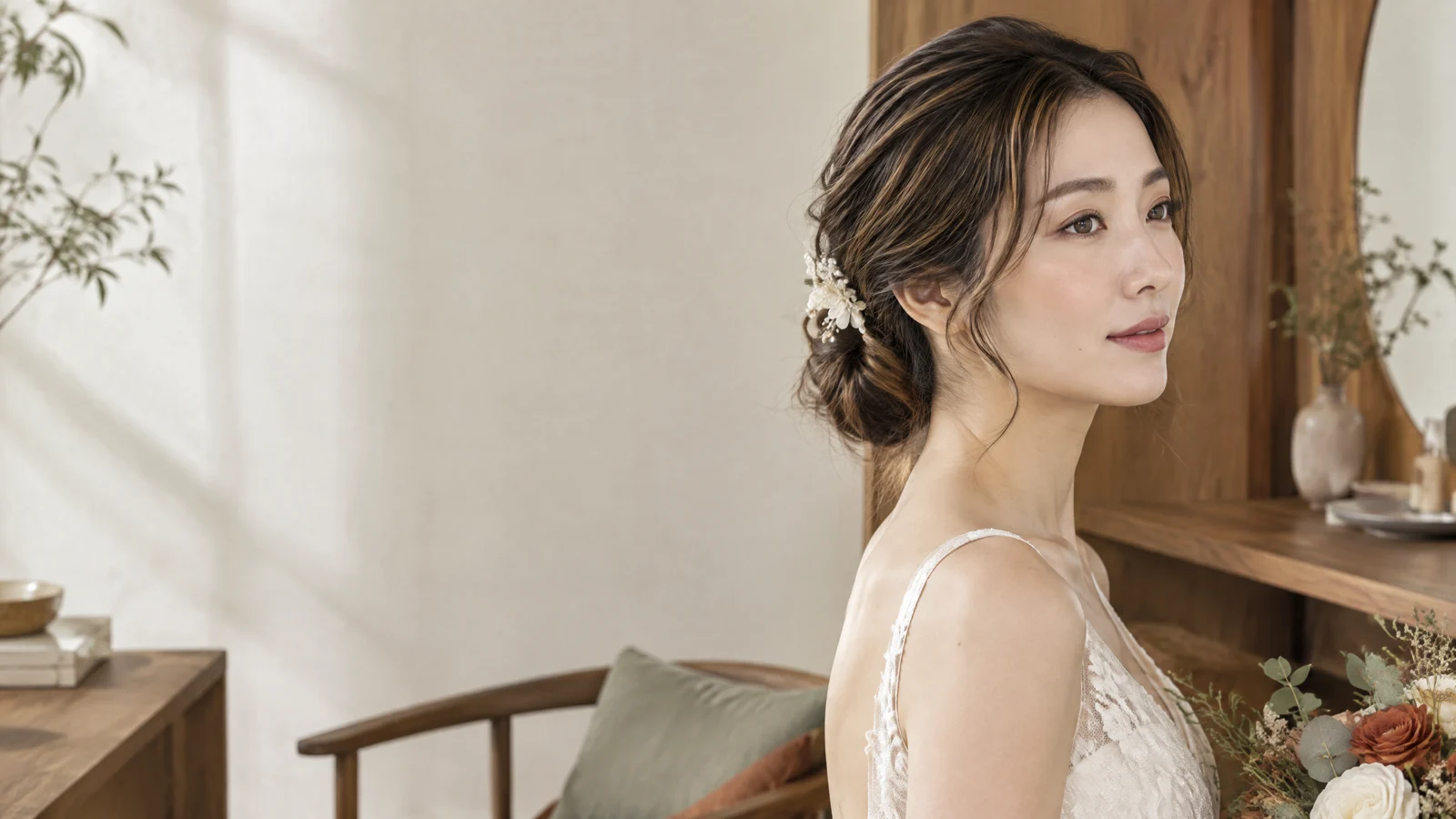
A bridal hair colour plan works best when it is built around your dress, real hair condition, trial makeup and wedding-day schedule—not around a promise to reproduce one filtered image. Treat the trial as a practical rehearsal where colour, makeup, accessories, comfort and photography are checked together, then turn the final direction into a written day-of brief.
The useful question is rarely ‘What colour should a bride have?’ A more helpful question is what your hair colour needs to do within a specific wedding: frame your face beside the neckline, sit comfortably with the makeup finish, read clearly in photographs, and remain manageable through getting ready, travel and any outfit changes. A subtle colour plan can be as considered as a dramatic one.
This guide separates decisions that are often bundled together. It covers what to collect before a colour consultation, how to use a makeup trial well, how to photograph the result honestly, and how to turn a creative idea into realistic venue and timing information. All time examples below are planning examples, not availability, product, colour or wear guarantees.
01
What needs to be fixed before choosing a bridal hair colour?
Start with the parts of the day that are unlikely to change: the first moment you need to be seen, ceremony format, indoor and outdoor photo time, dress neckline, veil scale, key jewellery, and the amount of makeup and hair styling that normally feels comfortable. These details are more useful than a broad request for a ‘natural’ or ‘elegant’ look. They explain whether hair needs a little face-framing dimension, a strong silhouette, or simply a polished version of its existing depth.
Give the hair consultation a truthful starting record. Include recent colour and bleach history, natural regrowth, differences between mid-lengths and ends, current length, everyday wash routine, and unfiltered pictures in daylight from the front and both sides. Canvas Blend’s bridal hair colour planning can help organise the conversation. It is a planning reference rather than a promise that the same shade or result can be reproduced on a different head of hair.
Make a two-column note called ‘keep’ and ‘avoid’. You might want to keep natural depth near the roots, avoid a noticeably golden finish, retain movement around the face, or avoid a style that takes daily heat work to maintain. These are decisions about preference and maintenance, not corrections to a skin tone or hair texture. A celebrity or editorial image can be useful for mood, but retouching, lighting and a different hair history make it an unreliable pass-or-fail target.
| Initial comment | Information to add | Decision it can support |
|---|---|---|
| I want it natural | I normally wear minimal makeup and want visible hair texture in photos | Discuss restrained contrast rather than an automatic all-over lightening service |
| I want it sophisticated | High neckline, long veil and warm banquet lighting | Compare hairstyle height, earring scale and lip-colour intensity together |
| I do not want to feel uncomfortable | I wear contact lenses and dislike heavy headpieces | Test accessories, lash choices and pin placement during the trial |
A colour name is not a full brief. The same name can read differently with another hair history, dress, camera distance or lighting condition.
02
Should hair colour be settled before or after the makeup trial?
A practical sequence is to have a hair-colour consultation first, establish the overall direction, attend the makeup trial with hair that is reasonably close to the wedding-day plan, and leave any final tidy-up or tonal discussion for later. This is not a universal countdown. It simply avoids making several large aesthetic changes at once, when it becomes difficult to know why the overall result feels different from the original idea.
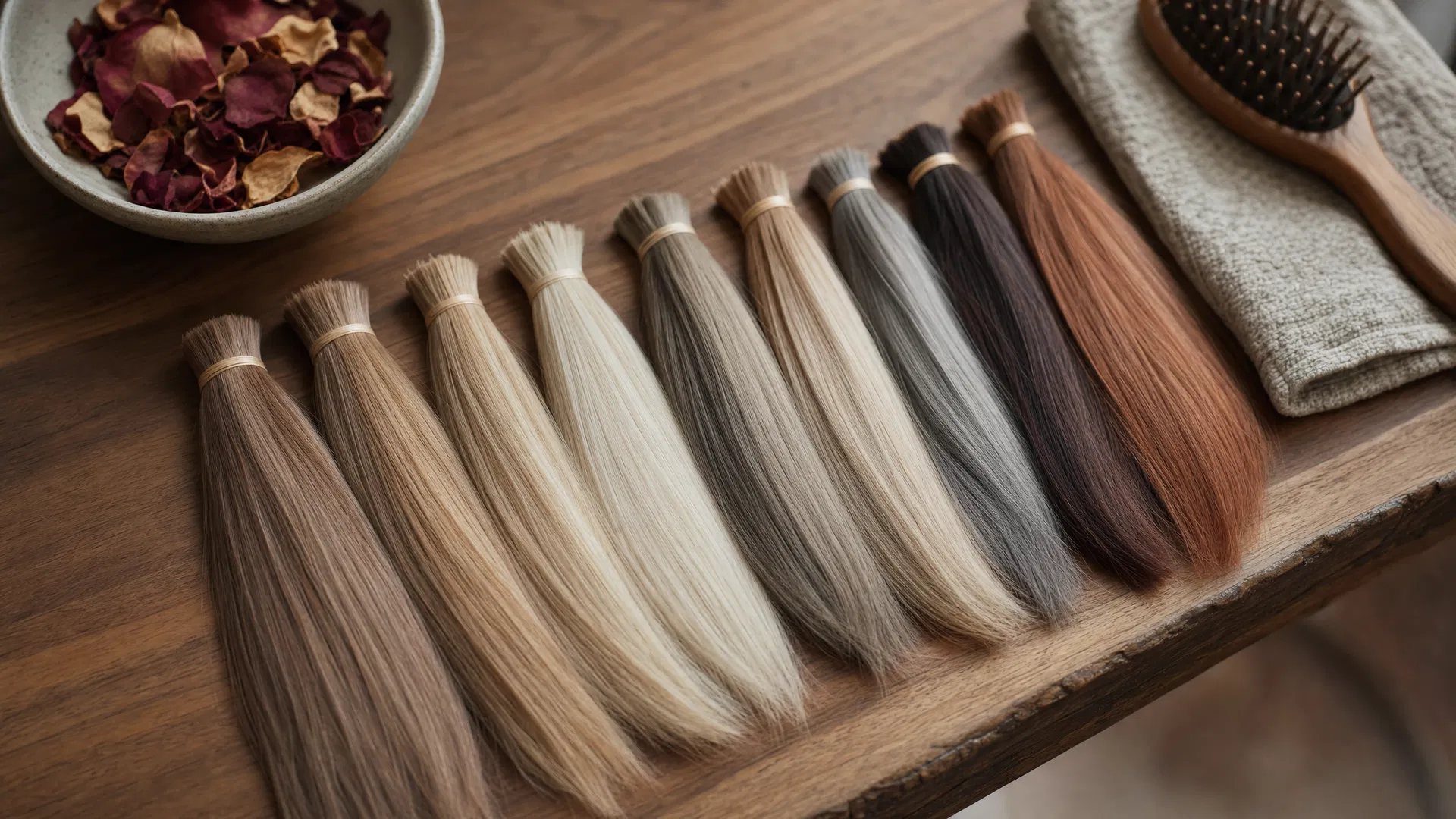
If you are choosing between a blended effect and fine, subtle brightness, compare balayage placement with babylight detailing. Balayage usually describes a more flowing placement through the lengths, while babylights describe finer, more closely spaced pieces. Neither is inherently more bridal. The right discussion depends on hair length, the dress, your usual styling habits, and what maintenance you are comfortable considering after the event. For a lower-commitment conversation, no-bleach hair colour options can shift the brief toward depth, gloss and tonal balance.
A trial does not need a finished wedding hairstyle to be informative. It does need the artist to see where colour sits at the roots, around the face and through the ends, ideally with a similar parting, fringe position and accessory placement. If a colour change will happen later, write down two non-negotiables—such as keeping the face-framing pieces subtle or avoiding an orange cast—and leave finer decisions to the hair condition and consultation.
- Bring an unfiltered daylight photo of your current colour and an honest summary of previous colour work to the consultation.
- Before the trial, agree on the likely parting, fringe, extensions or hairpieces, and whether flowers or a veil will be used.
- Ask which planned cut, tonal adjustment or treatment could change the way the hair holds a bridal shape.
- Avoid adding several unfamiliar hair-care or makeup products at once because you are anxious before the wedding; raise changes one at a time with the relevant professional.
Hair colour is not just a backdrop for makeup. A near-final colour at the trial lets you assess face-framing brightness, brow balance and accessories with more useful context.
03
What should one bridal makeup trial actually test?
The best outcome from a trial is a short, repeatable look brief, not only one flattering selfie. Bring three sets of information: elements you like, elements you do not want, and situations the look must handle. Those might include brow strength, skin luminosity, liner visibility, lip depth, face-framing hair and accessory placement; then contact lenses, extended talking, outdoor portraits, tea ceremony or a clothing change. Each adjustment has a reason when the artist has this context.
For a service-specific starting point, BigDeal Make Up’s bridal trial Hong Kong guidance explains sharing dress, style and accessory information before confirming the arrangement. It is useful to treat a trial as a session that narrows one makeup-and-hair direction. Trial notes can guide a later conversation, but they should not be treated as an automatic booking of a second look, wedding-day coverage or any additional logistics.
Ask to compare one small variable at a time: a softer versus more defined brow tail, for example, or two closely related lip tones. That makes the effect of the choice visible. Record practical observations too: whether your eyes feel dry, whether lashes feel heavy, or whether a front piece falls across your face when you look down. These are more actionable than simply saying that the look is nice or not nice.
A trial is not meant to exhaust every possible look. It is meant to establish one clear direction that connects the dress, hair colour, facial habits and flow of the day.
04
How can you photograph hair colour and makeup without trusting one image too much?
After the trial, take a small, consistent record with the same phone: a front-facing image by a window, one under ordinary indoor light, a half-length image from farther away, and a side view with your intended earrings or veil. Skip filters at this stage. You are not trying to prove that skin has no texture. You are looking for whether hair colour near the face makes the silhouette readable, whether brows, eyes and lips feel balanced, and whether jewellery hides or supports the hairstyle.
Warm and cool colour language is a communication tool, not a rule that says a certain complexion is required to wear a particular shade. If warm hair is paired with a rose or muted lip that you enjoy, the trial is where you see the combination in context. If you are considering a smoky direction, Canvas Blend’s cool versus warm hair-tone guide gives vocabulary for a colour conversation without turning personal colouring into a defect to solve. A second look at the gallery can also help you distinguish a close-up makeup mood from a full silhouette reference.
Keep beauty planning separate from safety decisions for outdoor portraits. A planning example is to note an indoor backup location, a safe place for the veil, and a short touch-up pause on the timeline. When a Hong Kong Observatory thunderstorm warning is in force, people outdoors are advised to seek safe shelter immediately or as soon as possible[2]. Follow venue and photography-team instructions rather than staying in an exposed, waterside or tree-lined spot to chase one extra image.
Photographs are communication records, not beauty exams. Viewing the same look across distances and lighting can show whether the next adjustment belongs to colour, makeup, accessories or the photo location.
05
How should sensitivities, contact lenses and new skincare fit into the plan?
Tell the makeup artist in advance about known product reactions, eye-area discomfort, contact-lens habits, and skincare or treatments you are using or avoiding. This is not a request for a medical assessment. It gives the artist context to discuss product textures, tools and eye-makeup steps. If eyes or skin sting, burn or feel unwell during an appointment, say so and stop the relevant product. FDA consumer guidance advises stopping use after an unexpected cosmetic reaction and contacting an appropriate healthcare professional[1].
Do not read ‘natural’ or ‘hypoallergenic’ as a promise that a product cannot cause a reaction, and do not use one self-test as proof that wedding-day use will be risk-free. A more useful approach is to bring details of lip or eye products you regularly use and ask whether they can be considered for that appointment. If you have existing clinical advice, that should take priority. Also record how false lashes, adhesive, accessory weight or pin tension feels. Comfort affects your expressions and attention through the whole day.
Keep professional roles clear. A hair professional can discuss hair condition and the feasibility of colour work; a makeup artist can discuss products and application for the appointment; persistent scalp, skin or eye concerns deserve advice from an appropriate health professional. Clear boundaries reduce guesswork and make the wedding plan more responsible.
Early disclosure makes a practical plan easier, but no product wording, self-test or makeup trial can guarantee no sensitivity or a fixed cosmetic result.
06
When does a visual brief become a wedding-day service plan?
Once the colour and trial direction are broadly settled, convert aesthetic language into work information: the first non-negotiable ready-by time, every address and floor, who else needs styling, the point person, changes of clothes, photography calls, and whether there is a table, power socket, mirror and workable light. Do not send only ‘bridal makeup in the morning’. Treat every departure time as a point to work backwards from, with room for dressing, moving belongings, lifts and travel.
When checking the information required for a booking, BigDeal Make Up’s bridal makeup Hong Kong page is relevant because it connects date, venue, ready-by time, dress details and sensitivities to the scope of a plan. With any provider, obtain a written version that covers the date, time, location, people served, hair and makeup content, payment and change handling. Travel, early access, touch-ups or extra staffing that are not listed should not be assumed to be included.
Planning example: if your first guest-facing moment is 08:30, do not simply label 08:30 as ‘makeup finished’. Work backward through the last preparation photo, getting dressed, bouquet delivery and leaving the room. If a relative owns one of those tasks, put their name and number on the same version of the schedule. It will not prevent every change, but it makes it clear who should be contacted and what needs protecting first.
Trial notes answer what you want. A written service arrangement answers who will do what, where and when. Both matter, and neither replaces the other.
07
What changes when makeup and hair happen on site or across several venues?
Your getting-ready space affects the rhythm of the look. Window light can make colour easier to assess; a stable table and power point help with tools; room to walk lowers the chance of catching a veil, dress or accessory. At a hotel, club or residential venue, ask ahead about vendor registration, unloading, lifts and the time the room becomes usable. A room key being available does not automatically mean a working team can enter immediately. If family members are also being styled, list each person’s latest finish time rather than giving everyone the same vague slot.
For an on-location or multi-stage enquiry, BigDeal Make Up’s Hong Kong mobile wedding makeup artist booking information is a useful reminder to share exact ready-by times, addresses, party size and access conditions before logistics are confirmed. Provide front and back dress images, veil placement, accessory weight and each change time before finalising the plan. Whether a particular accessory or change is workable still depends on the actual item, hair condition, available time and written agreement.
If you want the event colour to relate sensibly to everyday hair afterwards, look at Canvas Blend’s post-colour hair-care guide and the idea of a colour touch-up before deciding on ongoing maintenance with your stylist. They are options for planning care, not promises about fade rate, longevity or a guaranteed shade between appointments.
A multi-venue day needs precise information and a workable space, not the shortest possible schedule. Confirm scope, transitions and contingency responsibilities in writing so the creative plan has an operational home.
What else should you know?
Must a bride make a dramatic hair-colour change?
No. If you like your current depth and hair condition, you may focus on shine, subtle placement, parting or hairstyle silhouette instead. Whether to change colour should follow your hair condition, dress, daily habits and willingness to consider aftercare—not the assumption that a wedding requires lighter hair.
Is a makeup trial useful if my final hair colour is not finished?
It can still be useful for discussing direction, but it is best when the trial shows hair close to the expected wedding-day colour, length and parting. If an important colour change is still planned, flag it in the notes and leave time to reconfirm face-framing pieces, brow balance and accessory placement later.
How many reference images should I bring?
A small set that describes one direction is enough: perhaps one image for complexion, one for hairstyle silhouette, one full-length outfit reference and one or two examples of what you do not want. A one-sentence reason beside each image is more useful than a large collection of conflicting styles.
If the trial looks good, will the wedding day look be exactly the same?
Not necessarily. Hair condition, weather, venue light, actual accessories, timing and service scope can all differ. The purpose of a trial is to document priorities, comfort and adjustment choices, then use the confirmed arrangement to guide the wedding-day work.
Should I skip a trial if I have eye sensitivity or wear contact lenses?
Share known concerns and products you avoid before the appointment so the artist can discuss the relevant tools and approach. Stop using a product if you feel discomfort. If symptoms persist or are severe, seek advice from an appropriate healthcare professional.
How do you turn the plan into a next step?
A usable bridal hair-and-makeup plan leaves four records: current hair condition and colour direction; trial images with comfort notes; dress and accessory details; and one timeline with addresses and ready-by points. Together, they let hair, makeup, photography and family members work from the same information instead of guessing on the day.
Begin with your own hair and habits, then confirm consultations, trial choices and wedding-day coverage step by step. Hair-colour feasibility, cosmetic products, availability, fees and on-site arrangements should always be checked directly with the relevant provider and confirmed in writing.
Sources and editorial notes
- [1] Using Cosmetics Safely | U.S. Food and Drug Administration
- [2] Thunderstorm Warning | Hong Kong Observatory
This AI-assisted Canvas Blend editorial guide is not a first-person case study or an article reviewed by Vit So or Maggie Yeung. General information is not a substitute for individual professional or medical assessment. Confirm BigDeal arrangements in writing.
This is a Canvas Blend editorial guide and is not written or reviewed in person by Vit So or Maggie Yeung. Hair-colour feasibility, cosmetic products, service scope, availability, fees and on-site arrangements require direct consultation and written confirmation with the relevant provider.