Colour × Makeup × Hong Kong
Wedding Party Hair and Makeup Coordination Guide
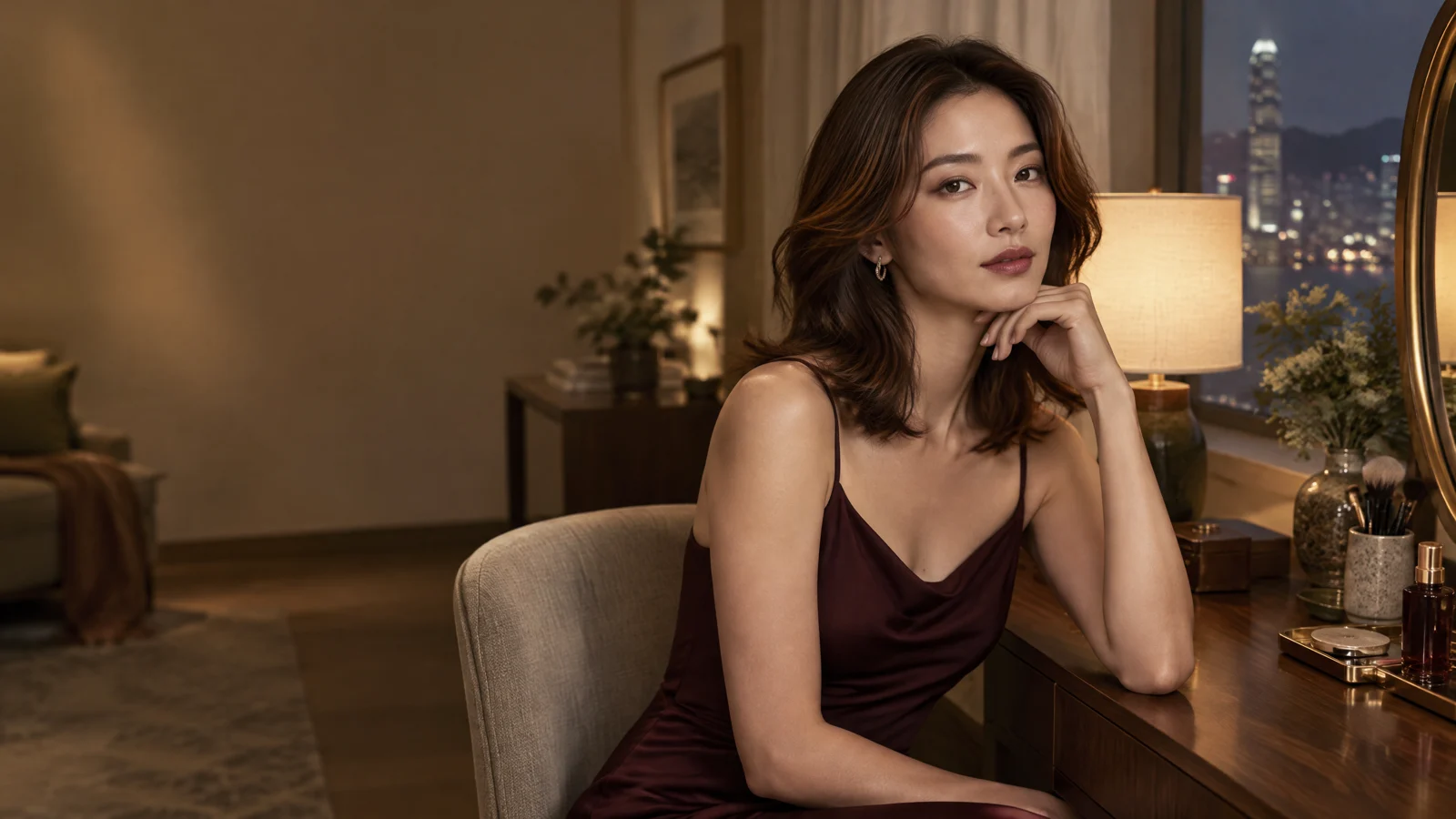
Natural wedding party hair and makeup coordination does not mean giving bridesmaids, mothers and guests the same face or hairstyle. Start with one visible shared direction, schedule backwards from the first non-negotiable photo or departure, then personalise finish, hair shape and comfort for every person.
A balanced group photograph usually has a clear hierarchy: the bride remains the visual centre, attendants relate to one another, mothers look polished but recognisable, and guests look considered without competing for attention. That result comes from a few deliberate choices, not from one identical lipstick or a row of matching buns. A shared finish, colour temperature, accessory material or level of hair polish can do more than a strict uniform ever will.
This guide is written for a Hong Kong wedding morning in which several people are getting ready in one place. It covers colour and outfit briefing, mature-skin comfort, timing, hygiene and written scope. Any durations and party sizes below are planning examples only. Actual staffing, timing, travel, availability and fees must be confirmed by the selected provider in writing.
01
What does a coordinated look actually mean?
Coordination is a visual language, not a cloning exercise. Choose one or two threads that can be seen across the group: a warm or cool colour family, a natural rather than high-shine finish, pearl rather than crystal accessories, or hair silhouettes with comparable formality. The bride’s dress, bouquet, principal jewellery and photo setting are useful starting points. From there, each attendant can make a different but related decision about lip depth, eye definition, parting or the amount of hair left down. A reference board should communicate a direction, not prescribe a face.
That distinction matters when the party has different hair textures, lengths, skin tones and everyday routines. A short bob, natural curls, recently coloured hair and waist-length straight hair do not need to be pushed into one wave pattern. Someone who normally wears little makeup may prefer a breathable base and soft liner; another person may want more definition for formal portraits. For ideas on seeing hair colour in the wider bridal picture, Canvas Blend’s bridal hair colour planning is a useful place to compare dress tone, hair dimension and photography timing before anyone makes a colour change.
A helpful brief can say, for example, “soft rose family on cheeks and lips, restrained eye shine, hair accessories in muted gold, and no hairstyle higher or more dramatic than the bride’s.” That gives a professional something practical to interpret while leaving room for each wearer. When a group is planning a shared palette with individual finish and timing needs, the BigDeal Make Up bridesmaid makeup information is relevant to the enquiry stage: it asks for the visual direction, individual preferences and a workable production order rather than assuming all attendants want the same service.
Use a small set of visible rules to create cohesion, then let face shape, hair texture, clothing and personal comfort determine the individual version of the look.
02
How should outfits, hair colour and light inform the brief?
Ask each person for three practical images: a full outfit photo, a close image of main jewellery or headwear, and a daylight face photo. The purpose is not to judge anyone’s appearance. It is to see proportion. A statement earring, high neckline, patterned dress or strong hair colour can change how much contour, shine, hair volume or accessory detail is useful. The group can then compare two possible directions—hair down with a visible earring, for example, versus a lower pinned shape that clears the neckline—without treating either option as compulsory.
Light belongs on the board as well. Window daylight, warm indoor lighting, overcast outdoor portraits and evening flash can alter how a foundation finish, blush intensity and hair reflection appear. The Hong Kong Observatory says that May to August are hot and humid with occasional showers and thunderstorms, and afternoon temperatures often exceed 31°C.[2] For an outdoor event in that period, include a rain contingency, indoor touch-up position and a simple reassembly point in the plan. This is sensible preparation, not a promise that makeup or hair will remain unchanged. If colour-treated members want to communicate their current dimension clearly, Canvas Blend’s hair colour before-and-after tips can help them provide comparable reference photographs.
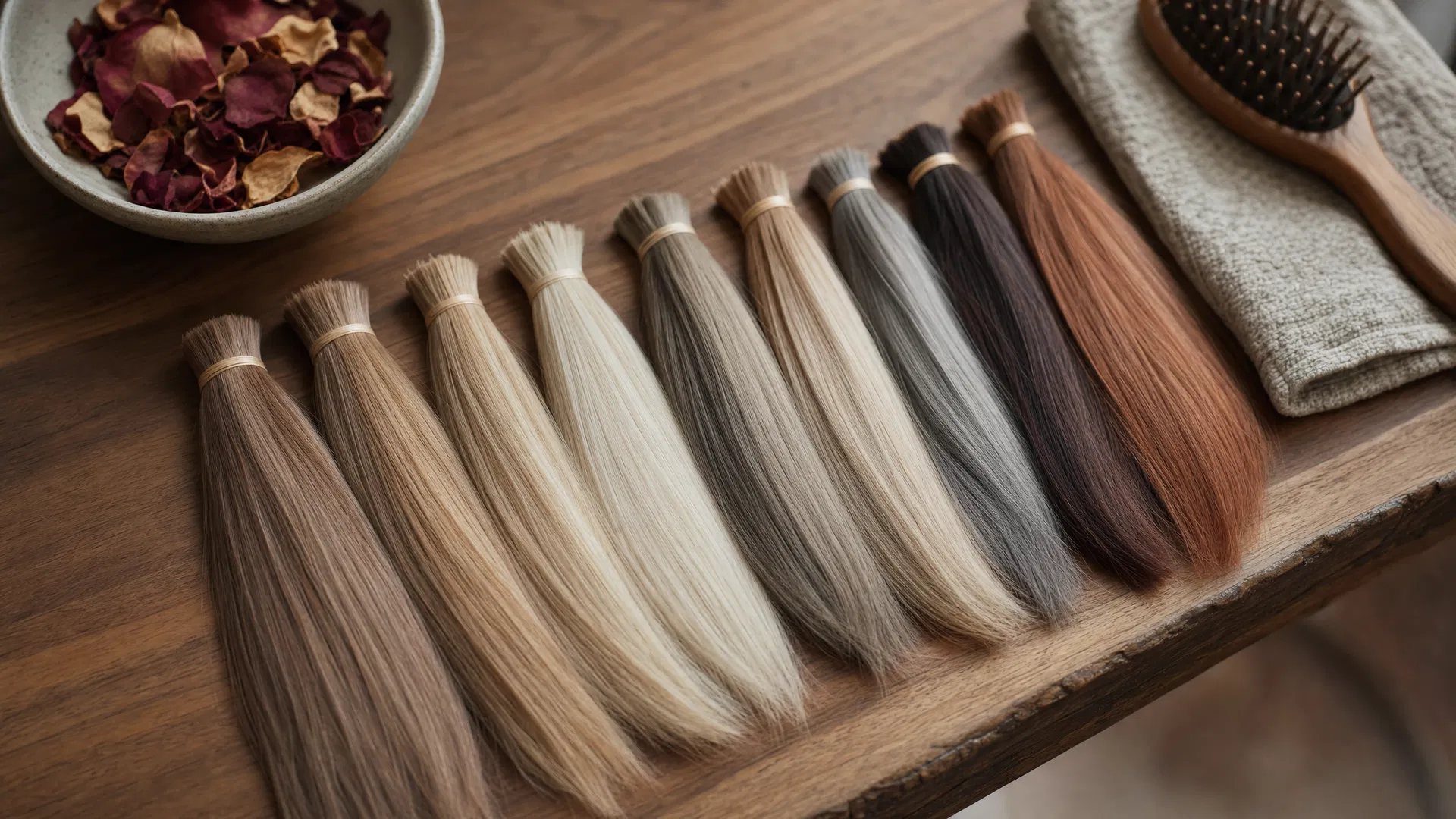
Discuss colour families rather than demanding a single shade. A dusty-blue dress and a champagne dress may both sit well with muted rose lips, yet one wearer may choose a sheer stain and another a more opaque cream lip. They can still read as related from a distance. The same principle works for accessories: pearl, brushed gold or small floral details may be shared while shape and placement vary. For a quick check on whether the group’s accessories and hair colours lean warm or cool, read Canvas Blend’s cool versus warm hair tone guide.
A board based on actual outfits, accessories and venue light gives the group usable information; a single inspirational makeup image rarely does.
03
How can mothers and older relatives look polished while feeling like themselves?
Begin with specific questions rather than an abstract request to look more glamorous. Does she usually wear glasses? Does she like her forehead exposed? Which hair accessories feel tight? Would she rather look more even, more awake, or visibly made up? Does she prefer a light, medium or fuller coverage? The wearer should answer where possible. A mother or grandmother is not a junior bridesmaid, and mature skin does not prescribe a particular makeup style. A polished result can be light, luminous, matte, minimal or more defined if that is genuinely her preference.
Comfort is a design requirement for hair too. Consider the weight and pull of pins, the process of changing clothes, meal times, glasses, hearing devices and how long jewellery will be worn. Short hair can retain its familiar shape; long hair can be softly pinned low or partially secured without imitating the bride’s silhouette. Schedule rest, medication, dressing and family-portrait timing before the morning gets crowded. If hair has been coloured or feels dry, damaged hair repair preparation may support a calm pre-event hair-care conversation, but it is not a guarantee of a particular styling result.
Eye discomfort, skin irritation, known sensitivities and ingredients to avoid should be disclosed early and directly. FDA consumer guidance advises stopping use and contacting a healthcare provider after a rash, redness, burning or other unexpected cosmetic reaction.[1] It also warns consumers not to assume that a “hypoallergenic” label means no reaction is possible.[1] For a briefing centred on outfit, eye comfort, one practical hairstyle and ready-by time, see the BigDeal Make Up mother of the bride makeup service guide. It frames both mothers as individuals while still considering the family’s overall look.
For mothers and older relatives, a comfortable, familiar and clearly communicated look is a stronger basis for photographs than a dramatic change made for the group.
04
How do you build a running order that respects real life?
Start with the first moment that cannot move: a departure, tea ceremony, formal family portrait, or first-look photograph. Work backwards from that moment and give every person a “ready by” time, not merely a chair start time. Then add changing clothes, jewellery, contact lenses, food, a short rest, lifts and travel. People who need more intricate hair, must leave early or need calm time for dressing may sit earlier in the flow, but nobody should be placed there by habit alone. The provider still needs to judge how the actual services, staff and room work together.
Here is a planning example, not a template or service commitment. Assume four people must be fully ready by 10:30. One bridesmaid needs photographs first, two relatives have simpler looks, and one mother needs to change at 10:00. The times show why a ready-by column is more useful than a vague sequence. They do not estimate how long any particular artist, style or service will take.
| Person or task | Ready by | Planning position | Still to confirm |
|---|---|---|---|
| Bridesmaid A, first portraits | 09:50 | Earlier completion leaves time to dress and gather | Hair accessory security and photo location |
| Mother, changes at 10:00 | 09:45 | Earlier slot allows a seated pause after styling | Glasses, jewellery and support person |
| Relative B, simple makeup and hair | 10:15 | Middle position preserves changeover flexibility | Whether makeup, hair or both are required |
| Relative C, light grooming | 10:20 | Later position still retains a ten-minute buffer | Any part they will finish themselves |
- Put the full address, room number, building check-in, lift access, outlets and daylight position in the same document as the running order.
- Name one point person for late arrivals, additions and changes; do not let every attendee reset the schedule independently.
- Ask every person to check their own name, scope, ready-by time and product or comfort notes before the event day.
- Treat changing, breakfast, portraits, travel and lift waits as schedule items, not invisible gaps.
- Confirm whether touch-ups, a second look, an extra location or additional artists are specifically included in the written scope.
A schedule built around ready-by deadlines reveals the real constraints early and gives the provider enough context to say what is workable.
05
What should the group do about hygiene and personal notes?
Separate personal information from group logistics. A private note for each wearer can record contact lenses, eye discomfort, known sensitivities, ingredients to avoid, lash preferences and any personal lip product they intend to bring. Only share details needed to plan the service with the relevant provider. This avoids asking the bride to guess about someone else’s health or preferences and avoids broadcasting private information in a large chat. One contact person can still manage arrival and timing without collecting every personal detail.
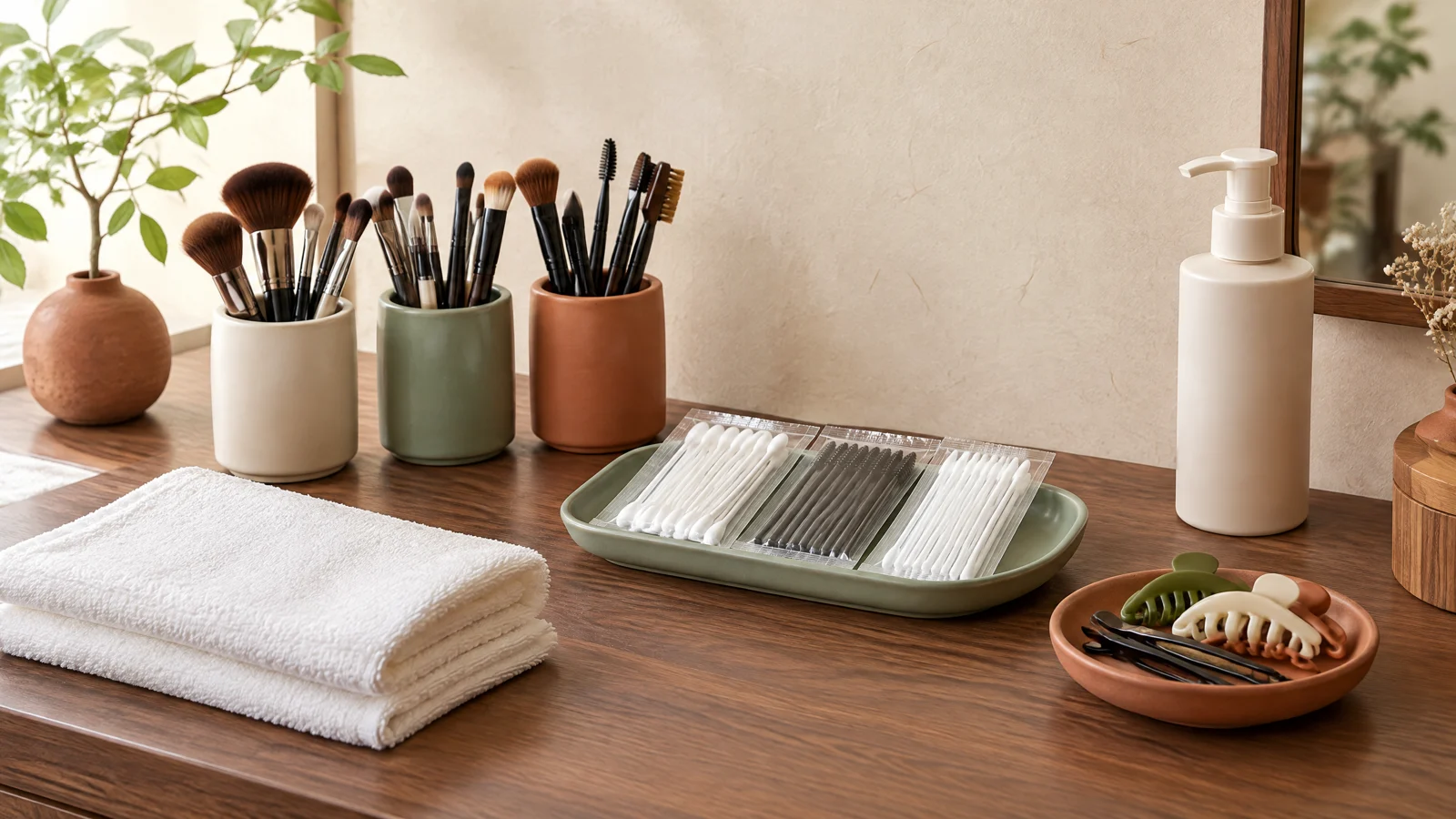
Basic cosmetic hygiene becomes more important when many people are preparing in one room. The FDA recommends washing hands before use, not sharing makeup, keeping containers clean and tightly closed, and using eye cosmetics only as intended.[1] It also says not to add saliva or water to mascara, and to discard eye makeup after an eye infection because of possible contamination.[1] Those are general consumer safeguards, not individual medical advice. Test or patch procedures must follow product instructions and cannot guarantee that a person will not react.
In practice, label each person’s self-supplied items and avoid passing used lip products, disposables or eye-area items around the room. Tell the provider in advance about extensions, wigs, veils, hairpieces and a natural curl pattern that should be retained. For people with colour-treated hair, Canvas Blend’s post-colour hair-care guide offers everyday care context before the wedding, but it should not be read as a promise about humidity, hold or a particular product outcome on the day. If irritation occurs, pause use; persistent or serious symptoms call for appropriate healthcare advice.
Private, wearer-led notes and clearly separated personal products make a crowded getting-ready room more respectful and safer to manage.
06
What must be clear before a group service is confirmed?
A useful enquiry contains more than a headcount. Include the wedding date, complete preparation address, earliest possible start, every person’s ready-by time, whether each needs makeup, hair, both or simple grooming, hair length and accessories, all locations, and the named point person. Ask the provider what can be completed simultaneously, what is included for each person, how additions or cancellations are handled, and whether touch-ups, a second look, travel or on-site attendance are additional. In hotels and venues, lift delays, security registration and limited table space can affect feasibility, so share those facts early.
People with different roles should not be treated as identical units of work. A sister leaving with the bride, a mother who needs a calm dressing break, a guest who appears only at dinner and a relative bringing a child all have different constraints. For wording and information relevant to a group enquiry, the BigDeal Make Up wedding guest makeup and hair page highlights venue, ready-by time, party size and requested additions as details to provide before the plan is finalised. Availability, scope and any fees remain matters for direct written confirmation.
Keep colour services separate from same-day grooming decisions. Some people may simply want their existing hair colour to look healthy and intentional, while others may be considering a pre-wedding change. Nobody needs to dye their hair to fit a group photo. If a low-commitment approach is part of the discussion, Canvas Blend’s no-bleach hair colour options in Hong Kong can help frame questions about maintenance and timing; the final choice should follow the individual’s hair condition and preferences.
A detailed enquiry lets a provider assess the real work, location and timing rather than making assumptions from a package name or party size alone.

07
How can the morning stay flexible without becoming chaotic?
The best way to reduce stress is to protect decisions already made. Keep the approved reference board, final roster and running order with the point person. On arrival, confirm practical sequence questions such as whether someone will put in contact lenses first, change into an inner layer before hair, or attach jewellery after styling. If an attendee is late, the point person should ask the provider whether two positions can safely swap; no one should unilaterally move the person with the earliest departure to the end of the queue. If someone chooses to finish part of their own hair, update the slot immediately.
Each person can carry a small personal pouch with tissues, their own lip colour, pins, a spare earring and items they personally need. It is not a communal emergency kit and it does not replace an arranged professional touch-up. Before a midday transfer, a short mirror check can cover a comfortable hair accessory, tidy neckline and whether the wearer wants to reapply her own lip product. The goal is comfort and readiness, not an unrealistic claim that a look will remain identical all day.
Finally, let the photographs retain personality. The bride may have the clearest signature look; attendants can share a consistent level of polish; mothers and guests can be led by their clothing and comfort. Once the visual thread, timetable and individual boundaries are understood, the stylist, photographer and family can work from the same plan. Small adjustments should respond to the real room, weather and wearer rather than forcing everyone to reproduce a reference image.
Reserve flexibility for movable slots and small personal adjustments, while keeping early departures, individual boundaries and confirmed scope visible to the whole working team.
What else should you know?
Do bridesmaids, mothers and guests need the same lipstick and hairstyle?
No. Sharing one or two elements—colour temperature, finish level, accessory material or degree of formality—is usually enough for visual continuity. Lip depth, coverage, lash choice and hair shape can then suit each outfit, comfort level and personal routine.
Should a mother who rarely wears makeup choose a much stronger look for photographs?
Not necessarily. Begin with what she would like to improve for the occasion: evenness, definition, a sense of freshness or simply a tidy finish. Her regular glasses, jewellery and a few reference images can make a more useful discussion than an expectation of a dramatic change.
Who decides the order for a large wedding party?
The couple or point person supplies the event deadlines and personal constraints, while the actual provider must assess the requested makeup and hair work, staffing, location and confirmed scope. Work back from ready-by times and include dressing and travel buffers instead of relying only on arrival order.
What if someone has sensitive skin, wears contact lenses or has eye discomfort?
The wearer should privately state known restrictions, products to avoid and any eye considerations before the appointment. Follow product instructions and basic hygiene. Stop use if discomfort occurs, and seek appropriate healthcare advice for persistent or serious symptoms. A self-directed patch test cannot guarantee that no reaction will occur.
Can we add someone, touch-ups or a second look at the last minute?
Raise the request as early as possible through the named point person and ask whether staff, time, travel, cost and terms can be changed. Touch-ups, a second look and additional locations should never be presumed to be included until the provider confirms the revised arrangement in writing.
How do you turn the plan into a next step?
Thoughtful wedding party coordination gives everyone a shared direction and a way to state personal boundaries. Build the outfit-and-light board, backward schedule and individual notes first; only then confirm the exact service scope. That sequence protects the photographs, the schedule and the people in the chairs.
When comparing or booking a service, provide the actual date, address, party size, ready-by times and requested items, and rely on the provider’s written confirmation for the final arrangement. This article is a planning guide, not individual styling, product or healthcare advice.
Sources and editorial notes
This AI-assisted Canvas Blend editorial guide is not a first-person case study or an article reviewed by Vit So or Maggie Yeung. General information is not a substitute for individual professional or medical assessment. Confirm BigDeal arrangements in writing.
This is a planning guide. Timings, party sizes and styling situations are hypothetical examples; availability, scope, timing and fees require the provider’s written confirmation. Cosmetics are not medical treatment; stop use if discomfort occurs and seek appropriate healthcare advice.