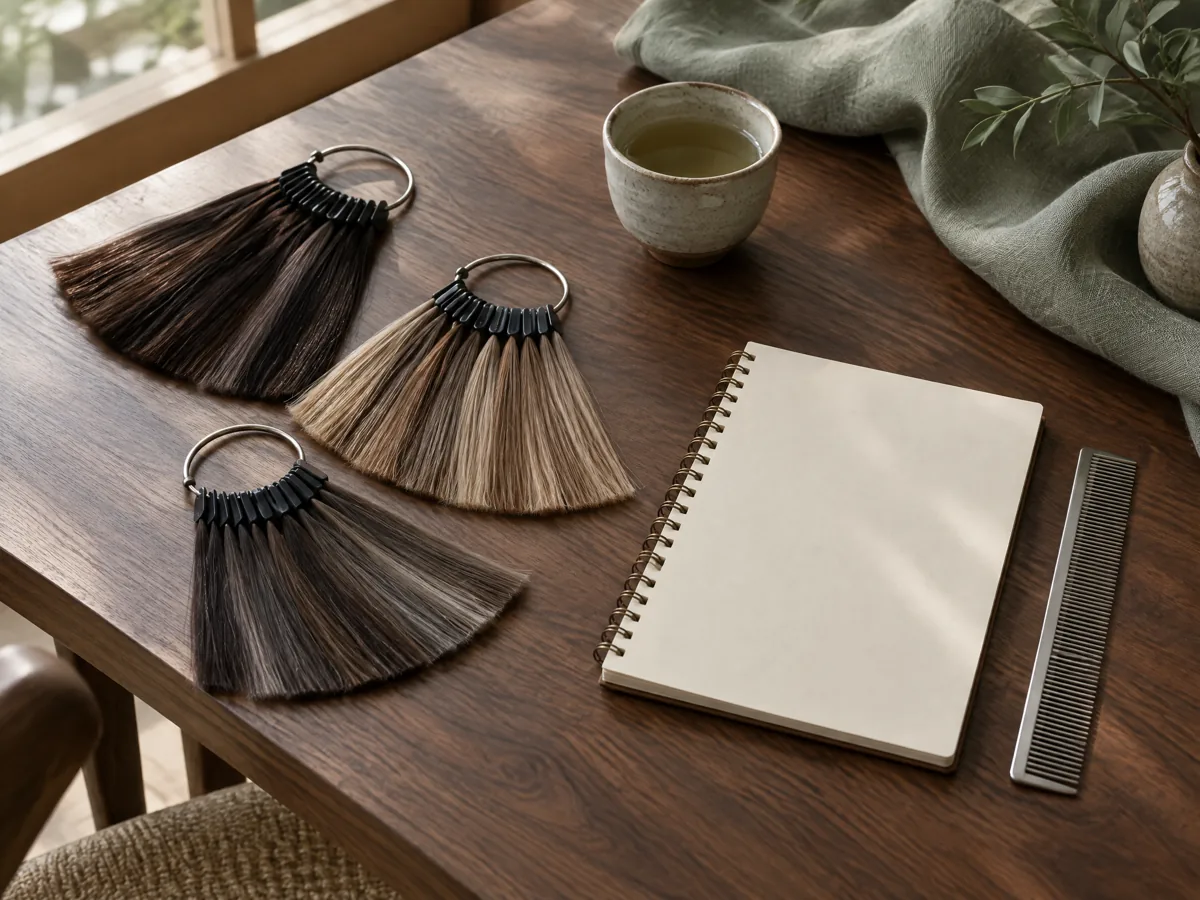
Coverage × Comfort × Personal Choice
How can a custom men's hair system enquiry preserve your options?
瀏覽獨立繁體中文指南 →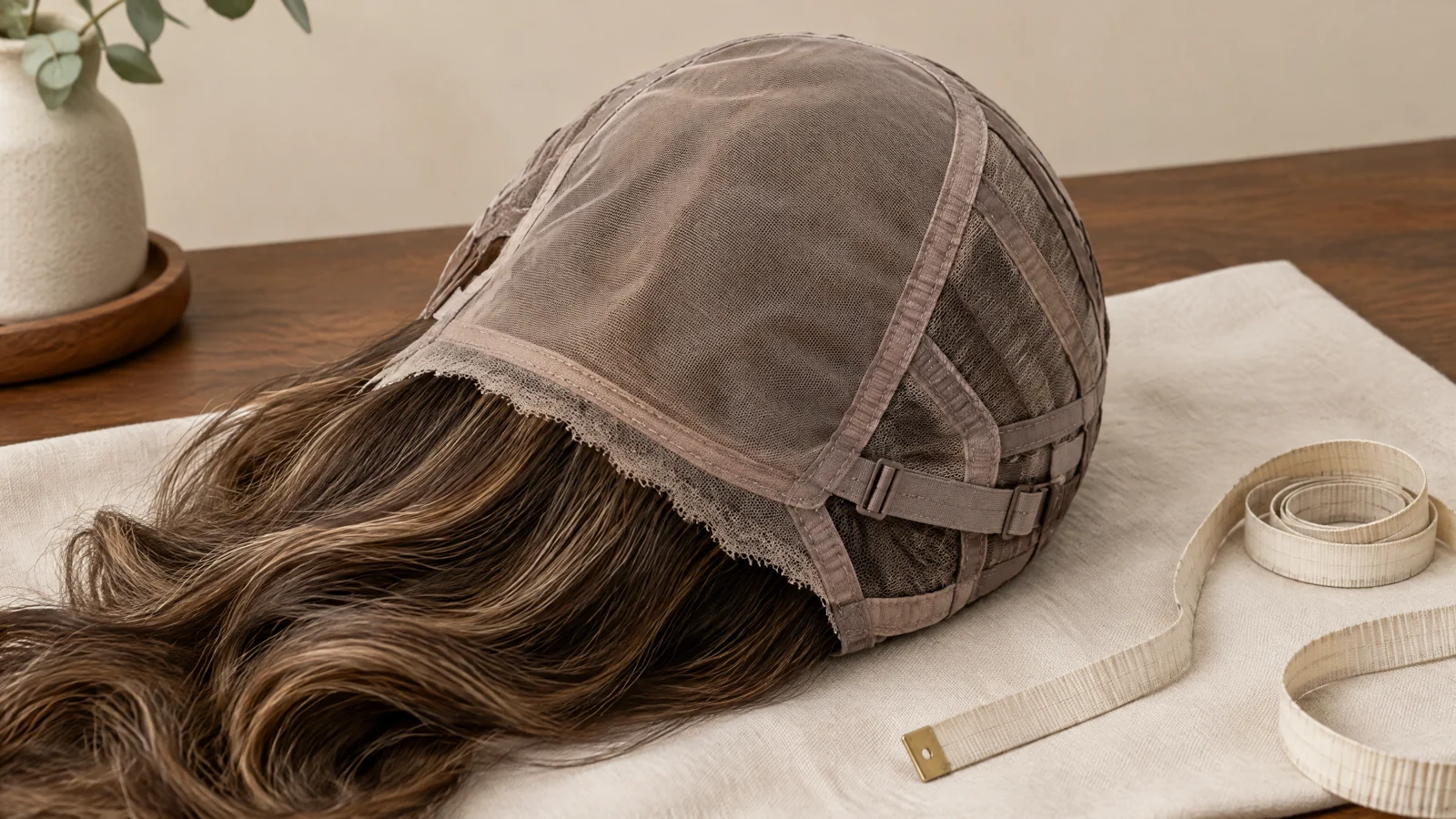
Keep a custom hair-system enquiry separate from permission to order, alter your own hair or begin an attachment procedure. Choose only after the exact piece, removal arrangements, financial commitments and cosmetic—not medical—purpose are clear.
The useful question is not simply whether a hairpiece comes off. You may also want to undo a hairstyle change, stop a maintenance routine or decline a quotation without having authorised production. These are different decisions. A piece described as removable can still involve spending you cannot recover or a haircut that takes time to grow out.
This guide approaches the enquiry as a sequence of permissions rather than a makeover package. Decide what you want to preserve before discussing what you want to add: your current hair, control over wearing time, or the freedom to reconsider. A reference image helps communicate appearance, but it should not silently become approval for cutting, ordering or attaching anything.
From root touch-ups to pre-wedding colour planning, use balayage price Hong Kong as an initial reference and discuss your current hair condition before confirming the service.
01
What exactly do you want to be able to undo?
Start with a practical sentence: 'I want coverage for selected occasions, but I want my existing hairstyle to remain usable without it.' This is more informative than asking for the most natural result. It tells the supplier that the uncovered appearance matters too. Another buyer may prioritise continuous wear instead; neither preference establishes which product is suitable.
Separate four kinds of reversibility. Physical removal concerns how a piece comes off. Appearance concerns what your own hair looks like afterwards. Routine concerns whether you can stop wearing it without needing an immediate service visit. Financial commitment concerns what happens after approving a design or paying. A reassuring answer about one does not settle the other three.
Preserving options can mean accepting a less ambitious silhouette initially. A dramatic change in front shape may require a different coverage discussion from a modest addition behind the existing front hair. Ask which goals can coexist with keeping your current cut. If that cannot be explained for the proposed piece, do not resolve the uncertainty by agreeing to a haircut first.
Keep a dated record of your hair before any change, including ordinary front, side and back views. The Canvas Blend guide to before-and-after records can help organise useful comparison photographs. Here the purpose is to document what you want preserved, not to prove a hairpiece outcome or create a supposed customer success story.
Define the option you want to retain, not just the appearance you hope to gain.
02
Which custom details must be confirmed before you commit?
An enquiry about a custom men's hair system should distinguish requests from confirmed capabilities. OWNSTRAND's supplied service information establishes handmade human-hair wig enquiries, not the availability of every men's system design. Ask what can actually be customised for your request before treating a preferred base, coverage outline or wearing method as part of the offer.
Request a plain-language specification that connects appearance to construction. What area does the proposed piece cover? Where do its edges sit relative to your own hair? Which fibre and base are being proposed? How is it intended to be worn? Labels such as custom, lace or skin cannot answer all these questions, and terms used by different suppliers need not describe identical construction.
Ask what a sample is demonstrating. It might illustrate hair texture without showing the proposed attachment, or show a silhouette without confirming the requested colour. The American Cancer Society notes that sizing charts can vary between brands. That supports checking the relevant measurement method, rather than transferring dimensions from an unrelated wig chart into a bespoke specification. [1]
Visual preferences also need limits. Point to the feature you like in a photograph, such as a restrained front outline, instead of asking for an identical result. The Canvas Blend gallery can provide native-hair styling references, but its images do not establish hair-system construction, stock or performance. Keep inspiration separate from what the supplier agrees to provide.

03
Does a removable piece necessarily mean low commitment?
No. 'Removable' tells you little unless the intended removal process is explained for the exact item. Ask who normally removes it, what assistance is required and whether any preparation changes your own hair. This is an enquiry question, not a suggestion to experiment with adhesives. OWNSTRAND's men's system information does not confirm an installation or attachment service.
A wearing arrangement should fit the amount of control you want. Someone who wants to choose each morning needs different information from someone comfortable with scheduled assistance. Neither a clip nor a bond can be declared suitable from its name alone. The relevant issue is whether the confirmed arrangement accommodates your hair, scalp concerns and ability to follow its instructions.
Include upkeep in the comparison before assessing value. The American Cancer Society describes human-hair wigs as generally requiring more maintenance than synthetic ones, while stressing that no single type is best for everyone. [1] That is a useful general trade-off, not evidence that every fibre is offered here or that a particular system will last a specified period.
Ask for the item's care instructions and the scope of any support separately. Confirm which washing and styling products apply, and whether heat styling is permitted at all. The Society cautions against heat tools unless a wig is heat resistant. [1] There is no universal safe temperature to borrow from a category name, and removability does not make maintenance optional.
Before choosing a new tone, the guide to hair colour salon Sheung Wan can help you consider access from Central, natural daylight, and an appointment time that suits your week.
| Decision stage | Option retained | Trade-off or question before proceeding |
|---|---|---|
| Discuss a reference without approving an order | Change your mind about appearance | Which details remain unconfirmed, and does any consultation charge apply? |
| Request an option compatible with unchanged native hair | Continue wearing your existing haircut uncovered | Can the actual coverage and wearing method accommodate it? |
| Consider a piece intended for personal removal | Choose wearing occasions, if instructions allow | Who handles removal, and what preparation or care is required? |
| Consider an arrangement requiring service assistance | Potentially different wearing possibilities | What support, removal access and ongoing commitments are involved? |
| Approve custom production | Proceed towards an agreed specification | Which changes, cancellations, payments and later adjustments are allowed? |
| Approve cutting or other alteration | Refine a confirmed look | What cannot be restored immediately, and who is authorised to do the work? |
04
Which changes to your own hair should wait?
Do not assume a close shave or substantial cut is a prerequisite. Ask whether either is required for the exact proposal and why. If keeping your current hair is essential, state that before measurements or a quotation. A later request to alter it should reopen the decision, not be treated as a minor detail already covered by a general consultation.
Cutting the hairpiece and cutting your own hair are separate permissions. So are adjusting a sample and altering an item you have purchased. Ask what will be changed, who will perform it and what happens if you dislike the result. This guide does not recommend do-it-yourself lace cutting or piece alteration; some changes cannot be reversed on the same item.
Native-hair colour should not become an automatic extra task. A match that depends on repeatedly changing your own hair creates a different commitment from accepting a broader tonal relationship. If you are independently considering colour, the Canvas Blend grey-coverage information concerns your growing hair. It does not establish that colour treatment is needed to use a system.
Record an agreed order of decisions: first establish product possibilities, then consider any native-hair change, then confirm who is responsible for each step. This reduces the risk of changing the hair that was used as the original reference before the supplier has confirmed the proposed coverage. It is a coordination safeguard, not a guarantee of exact matching or fit.
05
Where does an appearance enquiry stop and a medical question begin?
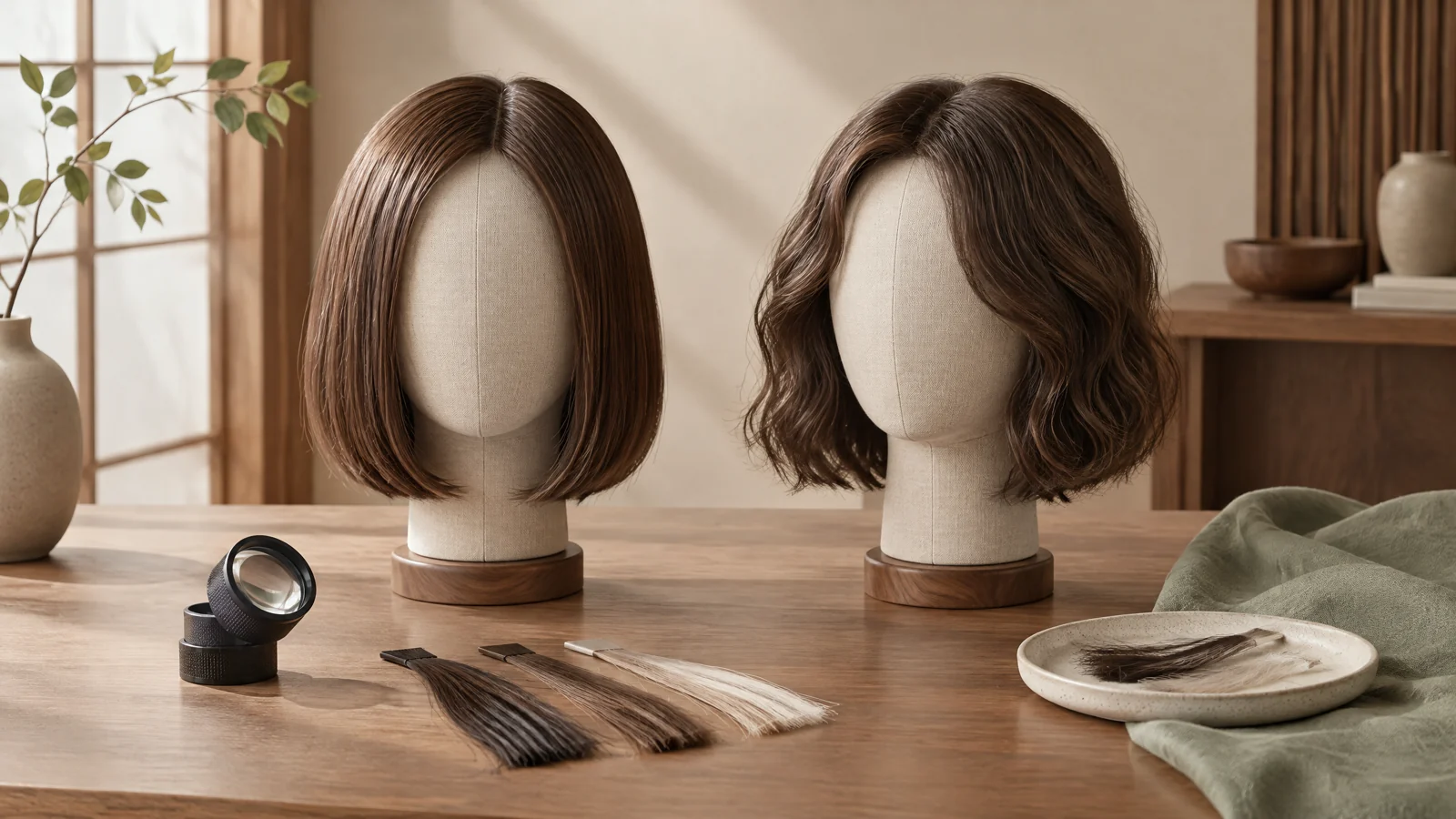
The phrase non-surgical hair replacement Hong Kong describes a cosmetic shopping category here, not a promise to restore hair growth. Covering a thinning area changes what is visible while the piece is worn. It does not diagnose the reason for thinning, treat a scalp condition or establish that a wearing arrangement is medically appropriate for you.
Do not interpret discomfort as the price of a convincing appearance. The American Academy of Dermatology warns that repeated pulling and scalp stress can contribute to hair loss, and identifies pain, stinging and crusts as warning signs in hairstyle use. [2] This is general risk guidance, not a test result for a specific hairpiece or a blanket rejection of every attachment type.
If you have persistent pain, redness, broken skin or concerns about why hair is falling out, seek advice from an appropriate healthcare professional. Tell the supplier about relevant product or fit restrictions you choose to share, but do not ask a stylist to diagnose the cause. The Academy explains that hair loss has multiple possible causes and recommends dermatological assessment rather than guessing. [2]
The Canvas Blend sensitive-scalp guide is relevant if a separate native-hair colour appointment is being considered. It cannot clear you for a hair system, adhesive or medical treatment. Keep health advice, hairpiece instructions and salon service consent distinct; one conversation should not be used as permission to proceed with all three.
An appearance goal can be valid without turning the product into treatment.
06
How would a hypothetical buyer choose without closing off alternatives?
Consider a clearly hypothetical buyer, Daniel. Assume he wants extra coverage for two work presentations each week, likes his existing side hair and does not want a change that leaves him unable to wear his usual haircut uncovered. He has not received a diagnosis, quotation or product recommendation. These assumptions create a decision example, not a real customer case.
His first priority is leaving his own hair unchanged, followed by control over wearing occasions. A completely different front silhouette is only a preference. He would therefore ask first whether an actual piece can meet the two priorities, rather than ordering from the strongest-looking photograph. If the desired silhouette conflicts with keeping his hair, he can reduce the styling ambition or pause.
Suppose, only for comparison, that one proposed option allows personal removal under its instructions but achieves a subtler look. Another proposed option promises a more dramatic outline but requires hair preparation and scheduled removal assistance. No such products or services are assumed available. Daniel would compare the commitments, not conclude that either attachment description is inherently safer or more realistic.
Under those assumptions, the subtler option deserves investigation first because it better matches his stated priorities. That still leaves fit, construction, comfort and cost unresolved. If neither proposal can preserve his existing haircut, the rational result is to defer buying. An enquiry has succeeded when it reveals an unacceptable dependency, even when it does not lead to an order.
Change the assumptions and the choice may change. A buyer comfortable with altering his haircut and arranging ongoing assistance might prioritise a different outline. Daniel might also reconsider later after receiving clear instructions and terms. The point is to make that reconsideration explicit, rather than presenting a larger commitment as an inevitable next step once he has asked a question.
07
What should your enquiry authorise—and what should it leave open?
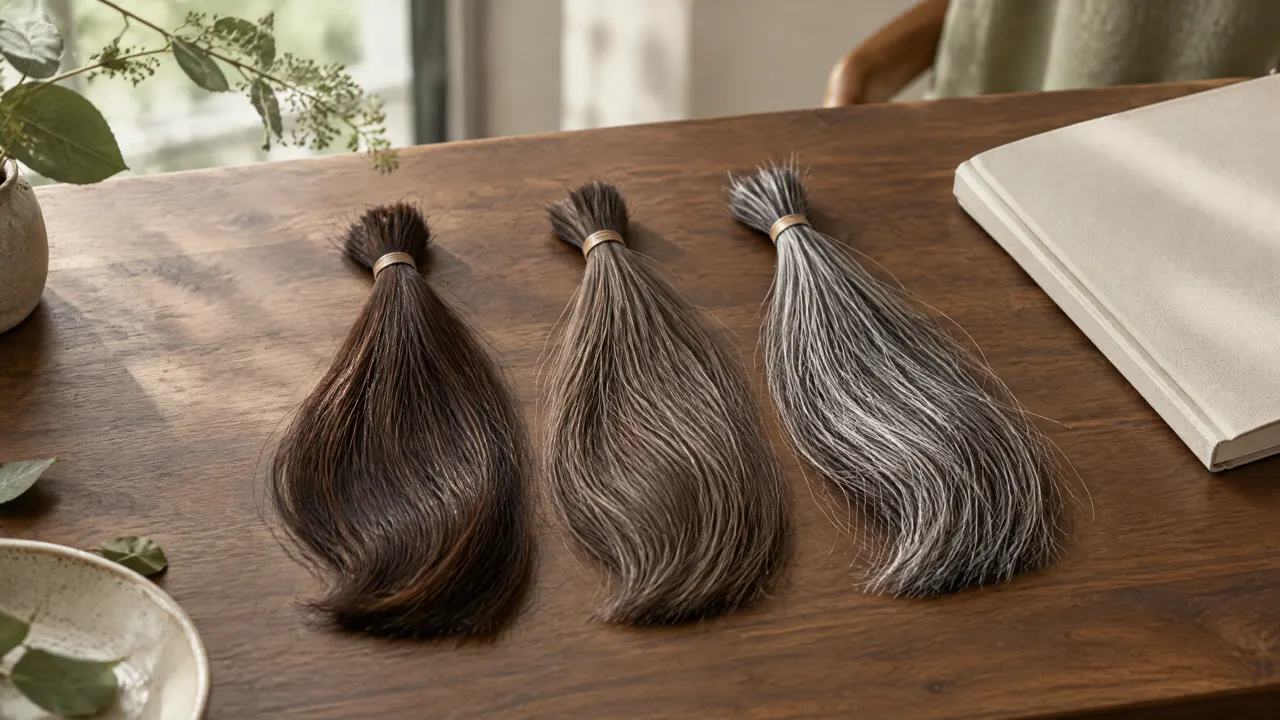
Use the custom wig consultation Hong Kong enquiry route to ask what can be discussed and viewed for your request. The supplied information describes consultation around handmade human-hair wigs, with sample and measurement arrangements requiring confirmation. It does not turn a men's system enquiry into a confirmed appointment, available sample, attachment service or automatic order.
A concise message can say: 'I want occasional cosmetic coverage while keeping my present haircut. Please confirm which relevant options can be discussed, whether samples or measurements are possible, and the wearing instructions. I am requesting information and a quotation only.' Add any intended event as context, without assuming it establishes production, collection or fitting availability.
Before authorising production, request a written description of the agreed piece and the steps included in the quotation. Ask when payment is due, what approval starts work, and what changes or cancellation terms apply. The American Cancer Society advises checking return and exchange policies before purchase because sellers differ. [1] That does not establish OWNSTRAND's policy or a right to return custom work.
Ask separately about later adjustments and what happens if a fit concern is identified. Who assesses it, what can be changed, and could a further charge or visit be needed? Have any revision added to the agreed details before proceeding. A helpful discussion should make responsibilities clearer; it should not replace item-specific instructions with an assurance that everything can be corrected afterwards.
If you also want a native-hair appointment, use Canvas Blend booking to confirm that separate service's scope. OWNSTRAND enquiries and Canvas Blend appointments are not interchangeable. A referral link does not mean Canvas Blend supplies wigs, installs systems or offers a joint package, and booking one service should not be treated as approval for work by the other.
What else should you know?
Does sending an enquiry place a custom order?
No. The supplied OWNSTRAND information describes messages as enquiries for discussion, quotations and confirmation of supply. Ask what written approval and payment steps would create a commitment before proceeding.
Can I keep my existing haircut while exploring coverage?
Make that a stated requirement. Compatibility depends on the exact coverage and wearing arrangement, so obtain confirmation before authorising shaving, cutting or another change. If the requirement cannot be met, you can pause the enquiry.
Does custom mean every base and attachment method is available?
No. Confirmed handmade human-hair wig enquiries do not establish that every men's system design, fibre, base or wearing method can be supplied. Ask what is genuinely available for the requested piece.
Is a removable system automatically suitable for a sensitive scalp?
No. Removability alone does not establish comfort or medical suitability. Ask about product-specific construction and instructions, and seek healthcare advice for persistent pain, redness, broken skin or unresolved scalp concerns.
Can a hair system regrow hair or replace medical assessment?
No. This guide concerns cosmetic coverage only. A hairpiece is not a hair-growth treatment, and questions about the cause of hair loss should be directed to a qualified healthcare professional.
Will viewing a sample confirm my finished piece or a refund policy?
No. Ask what the sample illustrates and what remains unconfirmed. Supply, final specifications, payment, changes and any return or cancellation terms require separate confirmation; do not infer them from sample viewing.
What is the practical next step?
Your next step is a bounded enquiry, not a commitment to change everything at once. Write down the appearance you want, the existing hair you want preserved and the wearing control you need. Request confirmed specifications and terms against those priorities. Leave production, personal-hair alterations and any attachment procedure unapproved until the relevant details are clear.
Choose the proposal whose confirmed commitments fit your life, even if its initial styling ambition is smaller. Keep a dated copy of the agreed details and ask again if the proposal changes. This approach cannot guarantee comfort, fit or appearance, but it gives you a concrete reason to proceed, revise the request or decline without confusing cosmetic shopping with medical care.
When looking up hair salon Central, check the location details and choose a consultation time that lets you compare tones in natural daylight before or after work.
Sources and editorial notes
- [1] American Cancer Society — Wigs for Hair Loss
- [2] American Academy of Dermatology — Hairstyles that pull can lead to hair loss
This AI-assisted Canvas Blend guide is not a real-client case study or an article reviewed by Vit So. OWNSTRAND and Canvas Blend share ownership; links are not independent third-party endorsements. Confirm wig, hairpiece and natural-hair services, fees and appointments separately. Materials, stock and handling limits depend on the actual product. Appearance coverage does not replace medical assessment of hair loss or scalp concerns.
Canvas Blend Editorial — AI-assisted guide, prepared on 2026-11-06. OWNSTRAND and Canvas Blend have the same owner, so this is not an independent third-party recommendation. This article uses the supplied verified OWNSTRAND page information and external general guidance; it does not report hands-on product testing, a real customer case or confirmed stock. Daniel is entirely hypothetical. No claim is made that Vit So wrote or reviewed this guide. Product construction, availability, consultation arrangements, attachment services and terms must be confirmed for the specific enquiry; medical questions belong with qualified healthcare professionals.
Continue reading
Wig SelectionSearching for wigs Hong Kong: how do you compare shops without assuming a recommendation?
Turn wig-shop search results into an evidence-based shortlist: verify product identity, location, fit arrangements, quotes and terms before committing.
Wig SelectionHow should you compare wig prices in Hong Kong before confirming an online order?
Separate a wig catalogue enquiry from an accepted order: verify the exact option, quotation, delivery, returns and service scope before committing online.
Wig SelectionWhat evidence should you request before buying human hair wigs?
Build a buying brief that separates human hair and Remy claims from verified specifications, care limits, fit and purchase terms, with a hypothetical comparison.