Shape × Colour × Personal Choice
Choosing a hair salon: How to Write a Design Brief That Helps
瀏覽獨立繁體中文指南 →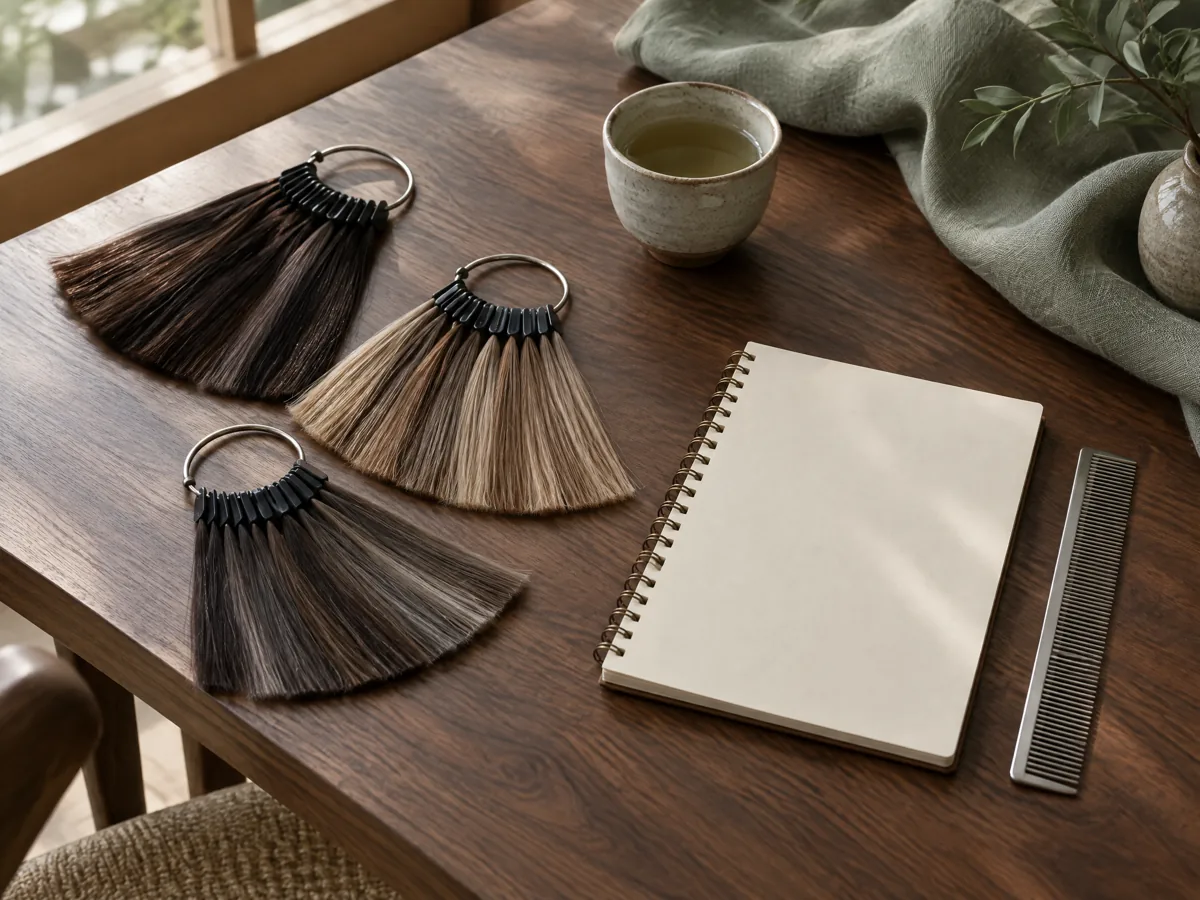
Choose a salon by how clearly it connects your hair goals with your current hair, everyday routine and agreed service scope. A useful design brief states what must stay, what should change, your treatment history and the limits you want respected before work begins.
A good design brief is not a technical instruction sheet. It is a short explanation of the result you want to live with, supported by observations the person assessing your hair can discuss. Start with the problem: a fringe that interferes with glasses, an outline that feels too wide, or colour that no longer matches your preference. Then describe what you would not want to lose in solving it.
When exploring a hair salon, use the service menu to identify a direction rather than assemble an automatic package. Cutting changes the outline, colour changes shade or placement, and cosmetic care addresses feel and manageability. A photograph may combine several of these with a carefully styled finish. Separating them lets you ask what is necessary, what is optional and what might be unsuitable for your starting point.
When looking up hair colour salon Central, check the location details and choose a consultation time that lets you compare tones in natural daylight before or after work.
01
What should your design brief say before you choose a service?
Begin with three statements: the feature you want to keep, the change that matters most, and the compromise you would find unacceptable. For example, preserving enough length to tie back is a boundary, while reducing fullness around the sides is a goal. They may interact, so ask how the proposed shape handles both. A clear priority is more useful than several hairstyle names that point in different directions.
Describe length using landmarks you can recognise together. Say whether the fringe should sit above the eyebrows, clear the glasses or tuck behind the ears. For the outer length, point to the jaw, shoulders or collarbone rather than asking for a small amount off without context. Ask to see the intended endpoint before cutting. Where natural movement affects the visible length, discuss the ordinary dry appearance as well.
Avoid words that hide several possible meanings. Lighter might mean paler colour, less weight or a more open outline. Softer might mean a less angular edge, gentler colour contrast or smoother-feeling ends. Explain what you see or feel, and where. You can describe hair catching during combing without deciding that you need a particular branded treatment; selecting a process should follow the assessment, not replace it.
Make your brief realistic about daily life. Include your usual parting, whether you tie your hair for work, and the accessories that affect the outline. If you want to grow out a cut, say which length is being protected and which awkward area needs attention now. You can read the Canvas Blend FAQ to prepare additional service questions, but the final agreement still needs to address your own priorities.
- Keep: a visible length, coverage area or styling habit you value.
- Change: one main difficulty described by location and appearance.
- Limit: a length, process or maintenance commitment you do not want to accept.
- Confirm: the proposed service and a fallback if your first choice is unsuitable.
Explain the outcome and boundaries first; leave the technique open to discussion.
02
How can photographs and professional background help without becoming promises?
Treat each reference photograph as evidence of a preference, not a complete specification. Identify the feature you like: the edge at the neckline, the placement of brightness, or the space around the face. Then identify something in the same image that you do not want. This prevents an attractive overall picture from being interpreted as approval of every detail, including a much shorter fringe or a different colour throughout.
Choose references that help answer different questions rather than collecting many similar images. One can show the outline, another the colour contrast. Include a recent photograph of your own hair from the front, side and back when enquiring, and explain whether it is naturally dried or styled. A remote photograph can start a conversation, but it cannot establish chemical suitability, scalp comfort or the exact way your hair responds during handling.
Professional background offers context, but the useful test is whether a hairdresser can translate your preferences into a plan you understand. Ask which part of the reference comes from the cut and which comes from temporary styling. If preserving fullness at the ends matters, ask how shorter pieces would affect that appearance. A title or training history does not guarantee that your hair can reproduce a photograph.
Use the documented background of Vit So alongside specific design questions, rather than as a substitute for them. Similarly, the Canvas Blend gallery can help you name visual preferences, not predict your result. For clearer comparisons, consult the before-and-after photograph guide. Different lighting, parting and finishing can make images difficult to compare even when the underlying service is described accurately.
Annotate the feature you want and the feature you reject; ask what depends on styling.
03
Which service direction actually matches the change you want?
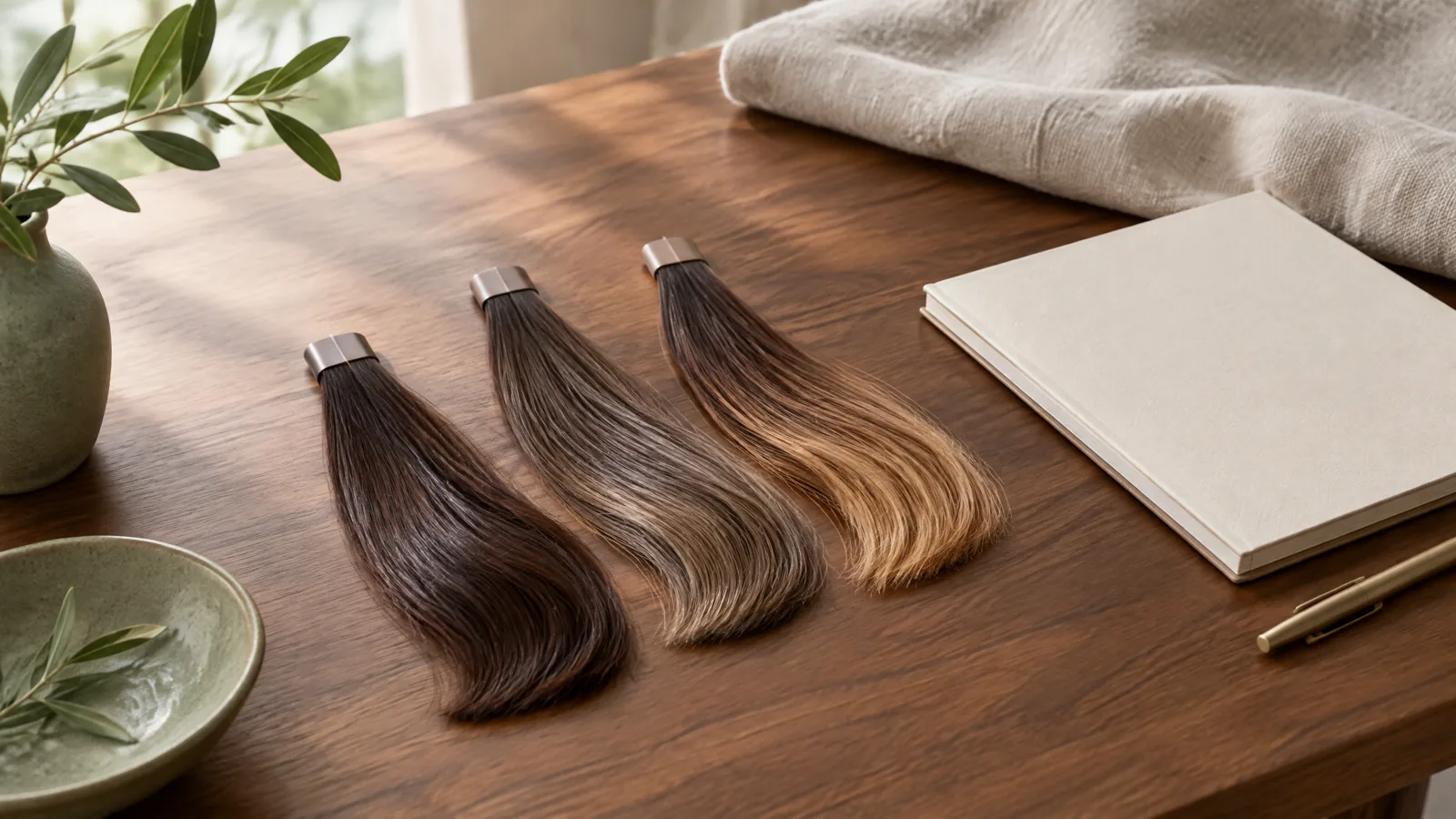
Separate a shape problem from a colour problem before discussing combined work. If the outline is wrong even when you like the shade, start with the cut. If the length and movement work but roots or contrast bother you, start with the colour question. If your main concern appears only when hair is left to dry naturally, describe that pattern before assuming a chemical texture service is the answer.
Colour needs an equally specific brief. Explain where you want the difference to show and whether you prefer a lighter, darker, warmer or cooler impression. Brightness near the face is not the same request as lightening every length. If avoiding bleach is a boundary, the no-bleach colour options guide offers a starting point for questions, not a promise that every pictured shade is achievable without lightening your present hair.
For texture, distinguish visible curls from a bend at the ends, and distinguish a straighter outline from less outward expansion. Ask whether your reference could instead be explored through a temporary finish. That is a useful alternative when you are unsure about living with the change. It is not equivalent to a chemical service, but it can help clarify the appearance you are trying to describe before you commit.
Cosmetic care should have its own goal, such as easier detangling or a less rough-feeling finish. Do not treat that as permission to remove length, flatten natural movement or add chemical work. The table below helps organise the first enquiry; it does not diagnose suitability. Where several rows apply, rank them. Ask whether the priorities should be addressed separately rather than assuming that more services make a better plan.
Before a first colour appointment or a refresh, browse hair bleaching Hong Kong for visual inspiration, practical preparation and a clearer sense of what to discuss during your consultation.
| Your observation | Direction to discuss | Useful question | Limit or alternative |
|---|---|---|---|
| The fringe or outer length interferes with daily wear | Cut and shape | Where will the shortest and longest points finish? | Protect tie-back or ear-tucking length; discuss styling if no cut is wanted |
| The outline works, but visible roots or tone do not | Colour scope | Which areas need work, and what change is feasible on the existing colour? | Consider a narrower placement or less dramatic shade change |
| A reference has waves, but your usual finish does not | Styling versus chemical texture | Is the pictured movement temporary styling or a lasting process? | Explore a temporary finish first if uncertain |
| Lengths feel rough or catch while combing | Cosmetic care and handling | What change in manageability is realistic, and what home care is needed? | Conditioning is not permanent reversal of damage |
| The scalp is uncomfortable or hair loss is unexpected | Medical assessment before cosmetic planning | Should the proposed service be postponed while I seek medical advice? | A salon service does not diagnose or treat a medical cause |
Choose the smallest service scope that addresses your leading priority, subject to assessment.
05
How should you compare maintenance and a quote rather than just the finished look?
Describe the routine you actually follow, not the one you hope a new style will inspire. Say whether you air-dry, use a dryer with your fingers or shape the hair with a brush. Mention whether you are willing to reset the fringe or use styling product. Ask what the proposed outline is likely to look like under that routine, and which aspects of the reference would require extra steps you do not currently take.
A low-effort preference should be written as a limit on tasks, not a promise of effortless hair. For instance, you may be willing to adjust the parting but not use a heated tool each morning. The AAD advises limiting excessive heat, using low or medium settings, and applying heat protection.[3] If the reference depends on repeated heat styling, discuss a different finish rather than expecting a cut to reproduce that effect automatically.
Aftercare should be specific enough to use. The AAD recommends conditioner after washing to help moisturise, detangle and improve manageability, with application adjusted to hair type.[3] Ask which part of your existing routine should change and why. The post-colour care guide can support those questions. Neither a glossy salon finish nor an easier-to-comb feel demonstrates that damaged hair has been permanently restored.
Compare quotes by scope before comparing totals. Identify the cut, colour areas, finishing and any proposed care separately. Ask which components are optional, whether the quoted amount includes the agreed work, and what circumstances could change it after assessment. Consult Canvas Blend pricing information for this site's service context; a fee from a related external website should not be assumed to apply to a Canvas Blend appointment or a combined package.
State your spending boundary before approving additions. If the proposed plan exceeds it, ask which priority could be addressed alone and what would remain unchanged. Also discuss the upkeep the plan implies: whether you would want to revisit roots, refresh a fringe or maintain a styled finish. Do not accept an assumed return interval or appointment length. Ask for arrangements appropriate to the actual service and your ability to attend.
Compare the daily routine, included work and optional additions together; a headline fee alone is incomplete.
06
What would a useful brief look like in a planning example?
Planning example, not a client case: imagine someone with shoulder-length hair who usually ties it back for work and air-dries it at home. They dislike width around the sides and like a photograph with bright face-framing strands. Their existing lengths have been coloured, but they do not know the product used. The task is not to promise the photograph. It is to separate a shape priority from an optional colour preference.
Their brief could say: 'Please keep enough length for my usual tie-back. My main goal is less width around the sides when I air-dry. I like the brightness near the face in this image, but not its short fringe. My lengths were coloured previously and I do not know the product. I would rather postpone colour than accept an unsuitable process, and I do not want a plan that requires daily heated styling.'
The useful follow-up asks where the proposed shorter pieces would end and how those pieces would behave when tied back. It also asks whether the impression of width comes from the outline, the natural drying pattern or the way the reference was finished. These questions might support a shape change, a styling discussion or retaining more length. No single answer can be selected reliably from the written brief alone.
For the optional colour, the next step is to clarify placement and review the unknown history in person before agreeing to work. If the proposed brightness conflicts with condition, cost or upkeep, the person can choose to address shape alone. That is a successful use of the brief: it exposes a trade-off before approval. The example supplies no measured result, quoted price, appointment duration or assurance that a particular technique will be suitable.
- Primary priority: a more comfortable everyday outline.
- Protected feature: enough length for the existing tie-back habit.
- Optional change: face-framing brightness, subject to assessment.
- Fallback: discuss shape without adding chemical work.
A fallback makes the brief usable when the preferred combination cannot be agreed.
07
What should you confirm before choosing the appointment?
When comparing options found through a search for hair salon hong kong, check the service direction and practical arrangements rather than assuming every result offers the same scope. An English information page does not establish spoken-English consultation, and a broad hair menu does not confirm unrelated beauty services. Ask directly about the communication you need, the work you are considering and anything essential to attending comfortably.
Confirm the actual provider and address before travelling. Related websites can have different booking contacts, service terms and pricing information even when their ownership is connected. Keep your enquiry with the provider you intend to use. If you choose Canvas Blend, use the Canvas Blend booking page and confirm its arrangements there. Do not treat an enquiry, a preferred date or an unanswered message as an accepted appointment.
Ask for an understandable summary of the proposed plan: what changes, what stays, which processes are included and how the fee will be confirmed. Explain any fixed commitment after the visit without assuming a duration. If assessment changes the proposal, pause and review the revised scope before work proceeds. You should be able to decline an optional addition or choose the fallback without losing track of your original priority.
Finally, repeat the most important boundary in plain language. It might be keeping ear coverage, avoiding additional lightening or not adopting daily heat styling. Invite the salon to explain any conflict between that boundary and the requested appearance. A useful choice is one where you understand the trade-offs and arrangements; neither a famous-looking reference nor a long service menu resolves them on your behalf.
Confirm provider, communication, scope and approval conditions before treating the appointment as settled.
What else should you know?
Do I need to know the name of a haircut before enquiring?
No. Describe the areas you want to keep or change using visible landmarks and your usual styling routine. A hairstyle name can help start the conversation, but it should not replace agreement on the actual length, shape and finish.
Can a salon reproduce a reference photograph exactly?
A reference can identify preferences, but your starting length, natural movement, chemical history and finishing routine affect what can be proposed. Ask which elements are achievable and which depend on styling. Do not treat a consultation or an image as a guarantee of an identical result.
Should I book a cut and colour together if both appear in my reference?
Only after clarifying your priorities and the proposed scope. The two changes may be discussed separately, and chemical work needs its own suitability assessment. If the combined proposal conflicts with your condition, spending boundary or upkeep preferences, ask about addressing the leading priority alone.
Do I still need to mention a dye reaction if it happened a long time ago?
Yes. Tell the provider what happened and which product or ingredient was involved if known. Product testing is not a guarantee against reactions, and a salon cannot diagnose the cause. Seek appropriate medical advice rather than selecting another dye on your own to work around an uncertain allergy.
Does a low-maintenance cut mean I will never need styling?
No. Explain the tasks you are and are not willing to do, then ask how the proposed shape may look with your normal routine. A photograph finished with a brush or heated tool may not represent the same outline after air-drying.
Can I use the price or booking contact from a related website?
Use the service information and contact for the provider you actually intend to book. Shared ownership does not make prices, contacts or package terms interchangeable. Confirm the included work and appointment arrangements with that provider before travelling.
What is the practical next step?
Write a brief that fits in a message: your current hair and relevant history, the feature to preserve, the change that matters most, and the limits on upkeep or spending. Add references with a note about exactly what you like. The aim is not to control every technique. It is to make the decisions visible so you can understand the proposal and recognise a suitable alternative.
Before approving work, check that the reply addresses your main boundary, the service scope and the arrangements for the visit. Where there is uncertainty about a reaction, scalp concern or chemical history, resolve it rather than allowing a picture to decide. A smaller plan, a temporary finish or a postponed process can be a more useful choice than a transformation you do not understand or cannot maintain.
If your hair feels dry, fragile, or difficult to detangle after lightening, explore damaged hair treatment Hong Kong before planning another colour service or adjusting your home-care routine.
Sources and editorial notes
- [1] American Academy of Dermatology: Coloring and perming tips for healthier-looking hair
- [2] U.S. Food and Drug Administration: Hair Dyes
- [3] American Academy of Dermatology: Tips for healthy hair
This AI-assisted Canvas Blend guide is not a first-person case study or an article reviewed by Vit So. Vit So Hair Stylist and Canvas Blend share ownership. Links are not independent third-party endorsements and do not mean that fees, booking policies or packages are interchangeable. Colour, chemical processes, extensions and styling require individual assessment; cosmetic hair and scalp care do not replace medical advice.
An AI-assisted Canvas Blend editorial guide, prepared for current publication on 2026-11-06; not written as Vit So's personal account and not represented as reviewed or approved by him. Canvas Blend and vitsohair.com share ownership, so the related-site links are not independent endorsements. The planning example is hypothetical, not a client result. Service suitability, consultation language, fees and availability require confirmation with the chosen provider.
Continue reading
 Hair Decisions
A family haircut routine that works on busy weekdays
Plan family haircuts around school rules, children's comfort and realistic styling habits. Compare lengths, prepare the visit and confirm each person's appointment scope.
 Hair Decisions
Planning a men's haircut: Fade, Taper and Colour Without Guesswork
Choose fade height, taper coverage and top length before adding colour. Compare practical options, scalp safety, upkeep and the questions to ask at a consultation.
Hair DecisionsChoosing a textured crop haircut or an undercut: shape, styling and upkeep
Compare a forward crop with undercut contrast, choose fringe coverage and side connections, and plan realistic styling, grow-out and scalp care.