Coverage × Comfort × Personal Choice
Choosing women's wigs or a topper: what should remain visible?
瀏覽獨立繁體中文指南 →
Choose a topper if retaining visible natural hair is important and the exact piece can cover the intended area, attach appropriately and work with that hair. Compare a full wig if you prefer one overall silhouette with less dependence on exposed natural hair, while still checking its individual fit and edges.
Start by deciding what you want to keep, not just what you want to cover. Your own fringe, temple hair, side lengths or nape may be part of the appearance you recognise as yours. A partial piece can preserve that involvement, but it also creates meeting points that need to work during ordinary movement. Full coverage changes that relationship rather than simply adding more hair.
This AI-assisted guide is by Canvas Blend Editorial. Canvas Blend and Ownstrand share the same owner, so the linked catalogue is not an independent third-party recommendation. The buying framework below combines general guidance with product questions; it is not a personal fitting assessment. There are no customer trials behind the example, and no catalogue image establishes availability or a guaranteed result.
If you are planning a change of colour, learn about hair colour Hong Kong before your consultation and consider the techniques, tones and upkeep that suit your routine.
01
Which parts of your own hair do you actually want people to see?
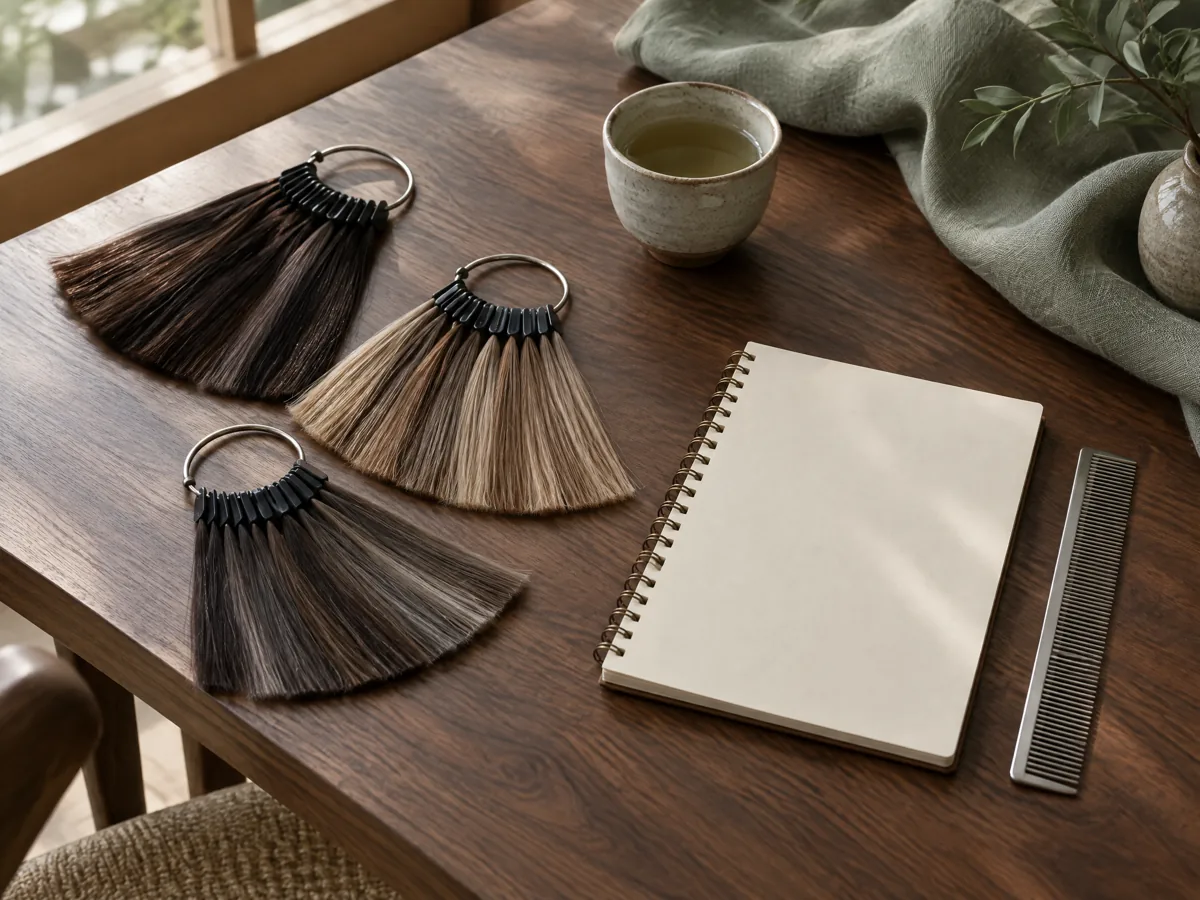
Make a simple visibility map before browsing. Mark the front hairline, fringe, temples, sides and nape as either 'keep visible', 'happy to cover' or 'undecided'. Then mark the area where you want additional coverage. These are appearance preferences, not a way to diagnose hair loss. A map reveals whether your intended result depends on natural hair in places a proposed piece would cover.
A favourite fringe is a useful example. Keeping it visible means the piece must sit and fall in a way that leaves that fringe usable, without an awkward gap behind it. If instead you want the piece to supply the fringe, you are choosing a different front arrangement. Neither preference tells you the correct base size or front construction until the particular design is examined.
The American Cancer Society distinguishes a top piece, which adds coverage and volume at the top, from a full wig that covers the head. [1] Use that distinction to browse women's wigs when you want a complete silhouette, but ask how the exact cap meets your temples and nape. Full-head coverage is a category purpose, not proof that every edge will suit you.
Choose reference images for the features you want to retain, rather than asking for an entire photograph to be reproduced. Canvas Blend's hairstyle and colour gallery can help communicate face framing or a preferred tonal impression. Treat those images as discussion references only: salon work on natural hair does not demonstrate how a specific hairpiece fits or what Ownstrand can supply.
Decide what remains yours before deciding how much additional hair to buy.
02
Where will the meeting points become visible during your normal day?
Partial coverage leaves meeting points between the piece and your own hair. List the moments when those points may be exposed: turning your head, looking down, putting on glasses or tucking a side behind your ear. A front-facing photograph with all the hair arranged can conceal questions that matter during those movements. Evaluate the style you actually use, not only the display arrangement.
If you regularly tuck both sides back, the temple area becomes a priority. Ask whether the proposed placement leaves your own side hair free to move and whether the base perimeter stays appropriately covered in that position. If a seller's suggested look requires leaving the sides down, decide whether that restriction is acceptable. Do not assume a different attachment method automatically fixes the appearance issue.
A full wig shifts the comparison towards its own front edge, ear area and nape. It may reduce the need to match a local piece with surrounding hair, but it introduces a cap that must fit around the whole head. Ask whether your usual tucked-back or tied-back look is supported by the exact construction; a photographed updo on another design is not evidence.
Separate essential movements from occasional wishes. If wearing glasses comfortably is non-negotiable, it should outrank a once-a-year formal hairstyle. You can then reject an unsuitable option without calling it a bad product. This makes the shortlist smaller for a useful reason: each surviving piece must accommodate the visible areas and everyday actions that matter to you.
| Your priority | Partial-piece question | Full-wig question | Decision consequence |
|---|---|---|---|
| Keep my own fringe | Can the front placement leave it usable? | Can this design incorporate it, or does it provide its own fringe? | Reject a front arrangement that contradicts the preference. |
| Tuck sides behind glasses | Will the perimeter remain covered in that position? | Do the cap and ear area work with my glasses? | Check the movement, not only a still photograph. |
| Show my own nape | Can the piece and natural lengths meet without an obvious change? | Where does the cap end relative to my own nape hair? | Confirm the exact edge rather than relying on category labels. |
| Avoid coordinating two textures | How much daily styling would the meeting points need? | What care does the complete silhouette require? | Compare the routine each option actually creates. |
| Avoid changing my natural haircut | Does the piece work with the current cut? | Can my current hair be accommodated underneath? | Test reversible arrangements before permanent changes. |

03
Can the hair you want to retain also support the proposed attachment?
Hair that looks adequate for blending is not automatically suitable for fastening. Appearance and attachment are separate checks. For a clip-in design, identify where each attachment point is intended to sit relative to the coverage area. Do not choose a smaller base merely to keep more natural hair visible if doing so places its fastening points in an unsuitable area.
Jon Renau's base-selection guidance tells buyers to consider the area needing coverage and measure towards areas with sufficient hair for its clip-in systems. It specifically relates attachment placement to supporting the piece's weight. [2] This is manufacturer guidance about that approach, not a universal instruction for every topper. Ask the supplier to interpret the exact model's dimensions and fastening layout rather than importing another maker's measurement rule.
If a proposed placement pulls, feels painful or makes your scalp sore, stop and seek appropriate advice rather than treating discomfort as a necessary compromise. Canvas Blend's sensitive-scalp guide is relevant to discussing limits around natural-hair colour services; it does not establish that a topper, cap or adhesive is suitable. Persistent pain, redness, broken skin or worries about the cause of shedding belong with a healthcare professional.
When comparing hair toppers, request the base dimensions and attachment information together. A piece may cover the intended zone yet fasten somewhere that does not work for you, or leave too little hair free for your preferred style. Ask about putting on and removing that exact design without assuming all toppers use clips, all materials are suitable, or another fastening option is available.
When looking up hair salon Central, check the location details and choose a consultation time that lets you compare tones in natural daylight before or after work.
04
Will the visible natural hair still work as it grows or changes?
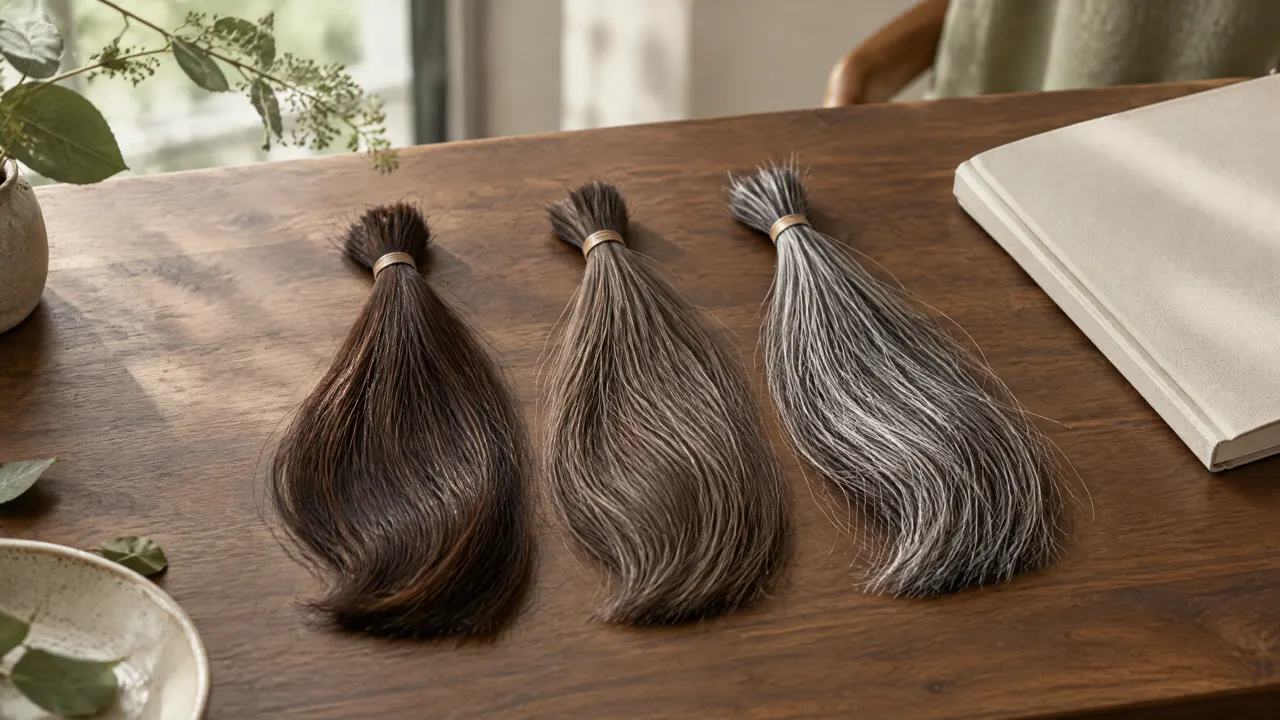
A partial piece and your own hair form one visible style, but they do not necessarily change together. Natural roots grow, a fringe gets longer and recently cut sides regain volume. Think about which of those changes would affect the meeting points on your map. The question is not whether you can achieve a good arrangement once, but whether you can keep using it without unwanted salon commitments.
Record the haircut and colour you have now before making changes. Canvas Blend's before-and-after planning guide can help organise natural-hair reference photographs and a clear brief. For this decision, useful notes include the exposed fringe length, whether the temples contain grey and which sections are coloured. Those records support a later comparison; they do not turn a screen image into an exact product shade.
Do not assume that buying a topper requires dyeing your own hair to match it. You may prefer to retain your current tone, accept a deliberate difference or choose a different piece. If you independently want a natural-hair colour change, the no-bleach colour options guide offers a separate discussion route. Colouring is optional aesthetic work, not a treatment for hair loss or a prerequisite for partial coverage.
Full coverage may reduce the need to coordinate exposed roots and lengths, depending on where the exact cap ends. It does not remove product maintenance. The American Cancer Society notes differences in synthetic and human-hair upkeep and warns against heat styling without heat-resistant product guidance. [1] Compare the instructions for the item you are considering; there is no single safe heat setting that this guide can assign to all fibres.
05
How much change are you willing to make to your own hair?
Rank possible changes by how easily you can undo them. Trying a different part or arranging your hair differently is not the same commitment as cutting away a fringe you want to keep. Before approving a natural-hair trim to accommodate a piece, ask what problem the trim solves and whether a different placement or product could address it without that change.
Think about the days you will not wear the piece. Your natural haircut should still be acceptable to you on those days unless you knowingly choose otherwise. A style that looks coordinated only when covered may conflict with wanting a flexible routine. This is especially important when a suggested adjustment removes the very fringe, side length or nape detail you originally wanted to preserve.
For a full wig, ask how your existing hair is intended to be accommodated underneath and whether that affects fit. The American Cancer Society recommends checking the brand's sizing rather than treating its general size chart as universal. [1] Your hair arrangement during a fitting matters to the comparison, so record it. Do not cut your own hair simply because a broad category description suggests the cap should fit.
Clarify the professional boundary before requesting adjustments. Canvas Blend's salon FAQ is a starting point for natural-hair service questions; ask separately whether your proposed trim is within the appointment scope. It does not imply Canvas Blend supplies wigs, installs hairpieces or offers an Ownstrand package. Changes to a piece itself need a qualified provider and its applicable instructions, not a DIY lace-cutting or colouring experiment.
06
What would a clearly hypothetical buying decision look like?
Consider a hypothetical shopper, not a customer case. She has shoulder-length natural hair, wants additional coverage around the upper parting and values keeping her own fringe and side lengths visible. She wears glasses daily and does not want to change her natural haircut. Assume no scalp symptoms, but do not assume any particular attachment is suitable until assessed. Her first shortlist is therefore partial coverage, subject to those conditions.
Suppose Option A is a smaller partial piece whose proposed front fastening falls where attachment suitability is uncertain. Option B has a broader base and a different layout, but its recommended position covers her favourite fringe. These are invented configurations, not claims about named products. A is not preferable simply because it leaves more hair visible; B is not preferable simply because it provides more coverage.
Suppose Option C is a full wig that offers a consistent bob silhouette but covers the fringe she wanted to retain. It might meet a different goal if she decides that coordinating two hair textures is too much work. Her trade-off is explicit: less reliance on visible natural hair in exchange for changing which hair frames her face. Fit, glasses clearance and care still require item-specific confirmation.
She uses the hair topper vs wig comparison to organise questions, not to declare a winner. If retaining her fringe remains essential and neither partial option meets attachment and placement needs, she keeps looking or postpones the purchase. If one unified silhouette becomes the higher priority, she can investigate C. Deferring a decision is a valid outcome when the shortlist contradicts the original brief.
An option passes only if its coverage, attachment and visible-hair arrangement work together.
07
What evidence should you request before paying for the chosen option?
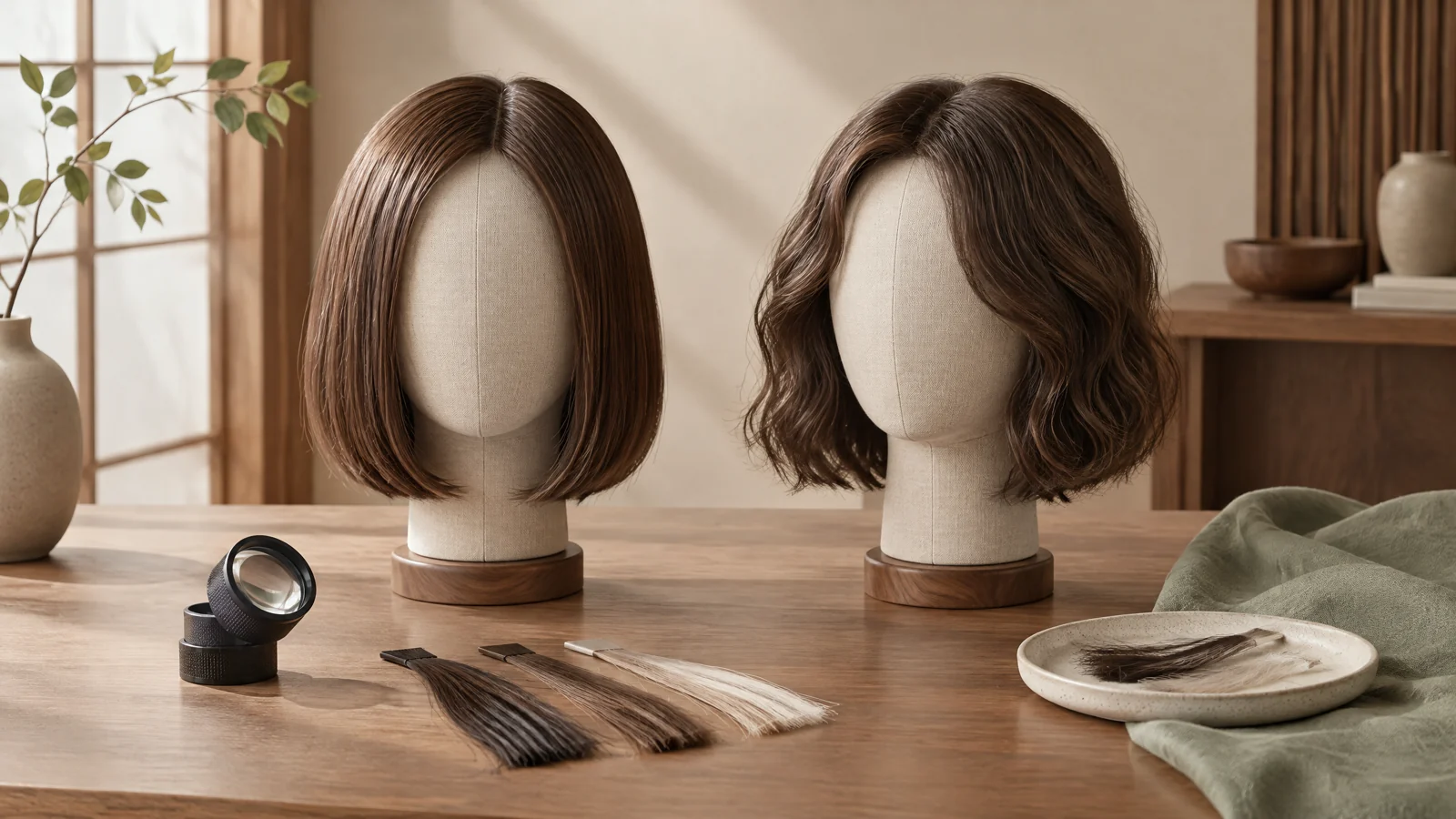
Send a concise description of the visible areas you want to preserve, along with your usual hairstyle and essential movements. Ask for the exact model's base or cap measurements, front construction, fastening method, fibre and care instructions. Where information is missing, request clarification rather than filling the gap from a category name. 'Monofilament', 'lace front' or a locally named construction cannot by itself answer your visibility map.
If a fitting is available by arrangement, ask to assess front, side and rear views with your normal hair preparation. With the provider's permission, check ordinary movements such as putting on glasses and turning your head. Record where your natural hair remains visible and any styling restriction. This is a structured observation, not a promise that all samples can be tried or a test of unlimited security.
Confirm the particular colour or option, quotation, supply arrangements and return or alteration terms before payment. The American Cancer Society explicitly advises checking return policies before buying a wig. [1] Ownstrand's catalogue references do not confirm stock, and an enquiry does not place an order. If a visit is relevant, confirm it directly; Ownstrand has one shop in Kwun Tong, not branches in the other districts mentioned on regional pages.
Keep a natural-hair appointment separate from product confirmation. Through Canvas Blend booking, clarify the scope of any proposed natural-hair cut or colour discussion; do not treat that booking as a wig reservation or fitting arrangement. A sensible purchase brief ends with confirmed facts and unresolved questions. It should not depend on promised regrowth, assumed material suitability or an irreversible hair change you have not chosen.
What else should you know?
Can I keep my own fringe visible with a topper?
Possibly, but it depends on the exact front placement, coverage footprint and attachment layout. Tell the provider that preserving the fringe is a requirement and ask whether the proposed piece can meet it without a gap or unsuitable fastening position.
Does a full wig mean no natural hair can ever show?
A full wig is designed for full-head coverage, but the relationship between its edges and your own temple or nape hair depends on the specific cap and how it fits. Ask to check those areas rather than relying on the category name.
Is the smallest topper always the most discreet choice?
No. A smaller footprint may miss the area you want covered or put attachment points somewhere unsuitable. Compare coverage, fastening positions and the visible perimeter together; smaller is not automatically better.
Must I colour or cut my own hair before choosing a piece?
No. Begin with your existing hair and preferences. A cut or colour change is a separate aesthetic decision, and you can reject a piece if it requires changes you do not want. Do not assume salon colour services are hair-loss treatment.
Can a product photograph prove it will work with my glasses?
No. It may illustrate a hairstyle, but it cannot establish how the exact cap, base edge or side hair behaves with your glasses. Ask for item-specific information and, if a fitting can be arranged, check the ordinary movement with the provider.
What if retaining my own hair conflicts with comfortable attachment?
Do not prioritise appearance over pain or an unsuitable fastening position. Ask about another design or coverage approach, and pause if the choice remains unresolved. Persistent soreness, redness, broken skin or concerns about shedding need healthcare advice rather than a product workaround.
What is the practical next step?
Write down three things before making an enquiry: which natural hair must remain visible, which daily movement the style must allow and which changes to your own hair you would refuse. Compare each proposed piece against that brief before considering a polished photograph. This keeps coverage from quietly replacing a preference that matters to you, such as retaining your own fringe or staying comfortable with glasses.
Proceed only when the exact coverage, fit, fastening and care information support a workable arrangement. If they do not, change the shortlist rather than forcing your own hair into an unwanted commitment. A topper can preserve visible natural hair under the right conditions; a full wig can offer a different, complete silhouette. Neither format is inherently the correct choice for every person.
For hair that looks dry, frizzy, or prone to breakage in a photo, read about damaged hair treatment Hong Kong to help frame questions for a colour-care consultation.
Sources and editorial notes
This AI-assisted Canvas Blend guide is not a real-client case study or an article reviewed by Vit So. OWNSTRAND and Canvas Blend share ownership; links are not independent third-party endorsements. Confirm wig, hairpiece and natural-hair services, fees and appointments separately. Materials, stock and handling limits depend on the actual product. Appearance coverage does not replace medical assessment of hair loss or scalp concerns.
Canvas Blend Editorial · AI-assisted guide · 6 November 2026. Canvas Blend and Ownstrand have the same owner; this is not an independent third-party recommendation. Vit So is not credited as author or reviewer, and no review by Vit So is claimed. The buying scenario is explicitly hypothetical, not a real customer case or tested product comparison. This guide offers appearance and shopping analysis, not diagnosis, treatment or a promise of hair growth. Exact specifications, suitability, quotations, supply and fitting arrangements must be confirmed with the relevant provider. Canvas Blend natural-hair services do not imply wig supply, hairpiece installation or a joint package.
Continue reading
Wig SelectionWhen do synthetic wigs save money by keeping the factory style?
Compare the cost of a ready-shaped synthetic wig with styling flexibility, cap comfort and care needs, using a clearly hypothetical shopping decision.
Wig SelectionHow do you choose custom vs ready-made wigs without over-specifying?
Decide which wig requirements need making to order, which an existing design can meet, and what to confirm before committing, with a practical comparison and hypothetical example.
Wig SelectionWhat do wig prices in Hong Kong include when comparing custom wigs and toppers?
Compare custom full-wig and topper quotes on separate lines, with coverage, fitting, finishing, natural-hair work and order terms made explicit.