Catering × Gifts × Cakes × Floristry × Occasion Styling
Seafood Catering: Which Requests Need More Than a Menu Swap?
Browse original Traditional Chinese celebrations and everyday aesthetics articles →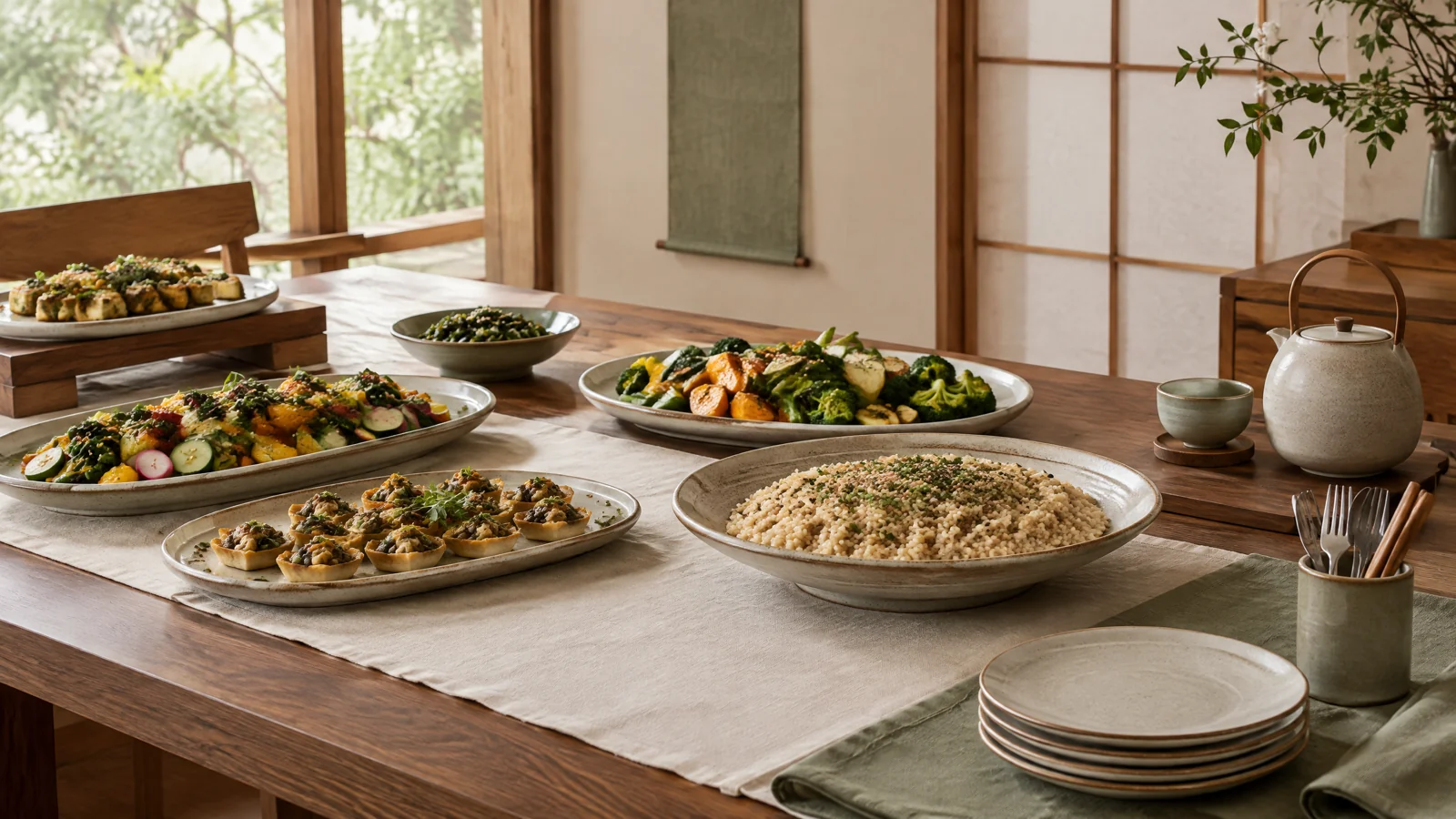
Keep seafood preferences separate from allergies: a disliked ingredient may call for a menu swap, while an allergy requires confirmation of the specific allergen, the complete recipe and cross-contact controls. Vegetarian, vegan and gluten-free categories are starting points for enquiries, not proof that a particular meal meets a guest's medical needs.
A seafood platter can look like an easy centrepiece for a Hong Kong office celebration, wedding gathering or creative workshop. The difficult decision arrives when one guest says they avoid seafood and another asks for a vegetarian alternative. Those requests may sound similar, yet they do not necessarily require the same response. Before selecting dishes, establish whether each person is describing taste, an ethical choice, an allergy or another medical dietary requirement.
The purpose is not to ask a host to diagnose anyone. It is to stop a simple preference from becoming an unnecessary medical label, and to stop a medical requirement from being reduced to a preference. The NHS distinguishes food allergy from food intolerance and recommends medical assessment where an allergy is suspected. A guest's existing professional advice should guide their own dietary decisions, not an organiser's interpretation of symptoms. [2]
For readers using Canvas Blend's Hong Kong team-building aesthetic experience guide, the food decision belongs alongside the activity plan rather than inside the styling consultation. An attractive shared event still needs a clear meal handover. This guide concentrates on that boundary: what to record, what a supplier must clarify and when a different serving format is more useful than another dish name.
If you are searching for hair salon Central, plan a colour visit around meetings or after work, with enough time to discuss tone, upkeep, and your journey from Central.
01
What does each guest actually mean by avoiding seafood?
Ask privately: 'Is this a preference, a dietary choice, an allergy or another medical requirement, and which foods do you need excluded?' Let the guest describe all applicable requirements in their own words. Someone can dislike oysters but enjoy fish, or follow a vegan diet and also have a separate allergy. Avoid demanding a public explanation or asking colleagues to vote on whether a restriction seems serious.
Seafood is an umbrella term, not a precise allergen description. Health Canada distinguishes fish, crustaceans such as prawns and crab, and molluscs such as oysters and squid. It also explains that allergy to one type does not automatically establish allergy to every other type. That distinction helps you ask a clearer question; it does not give you permission to introduce another seafood group without the guest's professional guidance. [3]
When exploring Seafood Catering, write the actual dishes into your enquiry rather than asking whether the whole category is 'allergy friendly'. The practical question might concern a prawn platter, its dressing and the equipment used for an accompanying meal. A category page helps identify an ordering direction, but cannot establish the suitability of the meal eventually prepared for a particular guest.
Keep uncertainty visible. If a guest initially writes only 'no seafood', record the wording and follow up before assigning them a meal. Do not translate it into 'pescatarian', 'shellfish only' or 'small amounts are fine'. If the detail remains unresolved, leave the affected meal unconfirmed. A clear pending status is more honest than reassuring the guest with a menu substitution that nobody has checked.
02
Can a vegetarian alternative solve a seafood allergy request?
A vegetarian alternative can answer a meat-free preference, but its title alone cannot answer an allergy enquiry. Establish whether the guest accepts eggs and dairy, and check the actual recipe. Separately identify any allergen exclusions. Hong Kong's Centre for Food Safety advises restaurant staff to ask about food allergies and confirm with cooks whether the relevant allergens are present in dishes. This is a recipe conversation, not merely a category choice. [1]
Use Vegetarian Catering to compare meat-free meal directions, then request confirmation of the complete proposed meal. Do not assume a vegetable dish contains only vegetables. Ask about the stock, sauce and garnish as well as the main ingredient. For seafood exclusions in particular, Health Canada identifies combination dishes, oyster sauce and some fried foods as places where shellfish ingredients or accidental transfer may need checking. [3]
The trade-off is straightforward: a shared vegetarian dish may be easier to include in a buffet, but a separately identified meal may be easier to match to one person's confirmed requirements. Neither format proves suitability. The better choice is the one supported by a specific supplier response and a credible serving arrangement. Presentation convenience should come after that answer, rather than determining it.
A useful ordering record has two distinct fields: the person's chosen dietary pattern and their required exclusions. That keeps a vegetarian preference visible without concealing an egg allergy, for example. It also prevents a host from counting every checked box as a separate diner. The table below is a planning comparison, not a clinical classification or a claim about any supplier's kitchen.
| Guest's request | Starting response | What still needs checking |
|---|---|---|
| Dislikes a seafood dish | Offer an acceptable alternative | Ask whether this is preference only; confirm the replacement |
| Vegetarian choice | Clarify accepted ingredients | Full recipe and any separate medical exclusions |
| Vegan choice | Check the complete proposed meal | Animal ingredients and any separate allergy controls |
| Named seafood allergy | Record the guest's exact exclusions | Ingredients, cross-contact limits and serving handover |
| Coeliac disease | Request a specifically assessed gluten-free meal | Gluten sources and cross-contact controls; not all-allergen freedom |
03
Does choosing vegan food remove the need for an allergy check?
No. A vegan label and an allergen-free claim answer different questions. The UK's Food Standards Agency explains that vegan meals can encounter low-level cross-contact with animal-based allergens during production. Its guidance applies to England, Northern Ireland and Wales; here it supports the handling principle, not a statement of Hong Kong law. A plant-based description should therefore prompt an ingredient enquiry rather than end one. [4]
For Vegan Catering, ask the supplier to identify the proposed dishes and explain what they can confirm about ingredients and shared preparation. A guest avoiding seafood because of an allergy still needs that allergy stated separately. A guest who is vegan for ethical reasons needs the animal-ingredient question answered, but should not automatically be described as having a medical allergy.
Nor does removing animal ingredients remove every possible allergen. The Centre for Food Safety identifies peanuts, soybeans and tree nuts among common allergenic food groups. Those can matter independently of a vegan choice. A sauce or dessert made without dairy may therefore remain unsuitable for someone with a different named allergy. Check the specific product and recipe instead of relying on how wholesome, green or simple the photograph appears. [1]
Consider the additional trade-off of a universal vegan menu. It may simplify the event and avoid visibly separating diners by preference, but it is not automatically an adequate answer for guests with medical exclusions. Choose it because guests want that menu and the supplier can support the individual requirements. Do not sell it internally as a shortcut that makes all further allergy questions unnecessary.
04
Why must gluten-free requirements stay separate from seafood exclusions?
Coeliac disease is an autoimmune condition in which eating gluten causes the immune system to attack the body's own tissues. The NHS identifies wheat, barley and rye as gluten sources and notes that certain sauces and ready meals can contain them. This is not the same question as whether a dish contains fish or shellfish. A seafood-free replacement still needs a separate gluten assessment when that requirement applies. [5]
The Gluten-Free Catering category is a place to begin a targeted enquiry, not evidence that a particular kitchen is certified or a meal is free of every allergen. Ask which dishes are proposed, which ingredients have been checked and what preparation limits apply. If certification is offered as part of the answer, request the issuing body's name, the current document and its exact scope before relying on it.
Cross-contact can connect otherwise separate requirements. The Food Standards Agency gives the example of shared frying oil used for battered fish and food intended to be gluten-free. A change to the main ingredient would not resolve that handling issue. For your enquiry, ask about the actual equipment and process relevant to the proposed dishes rather than demanding a generic reassurance that staff are careful. [4]
Do not instruct the guest to test whether they tolerate a small amount, or treat mild symptoms as permission to relax their requirement. Their clinician or qualified dietitian should advise on individual medical needs. The organiser's task is narrower: communicate the stated requirement, obtain a meaningful supplier response and avoid confirming a meal that remains unresolved. A category label cannot replace any of those steps. [2] [5]
For a look that complements your skin tone and everyday styling, explore hair colour Hong Kong and compare soft dimension, brighter accents and the care each approach involves.

05
What must the supplier confirm beyond the main dish?
Ask for the whole meal, not just its centrepiece. The response should address accompanying rice or noodles, sauces, garnishes and any dessert included in that guest's order. If a condiment is packaged separately, keep its ingredient information with the meal rather than treating it as an optional detail. An acceptable main dish does not establish the suitability of everything placed beside it.
Written information becomes especially valuable when the person arranging the order will not receive the delivery. The Food Standards Agency recommends written allergen information supported by a conversation, and written information before ordering and at delivery for takeaway food. Although those recommendations come from a different jurisdiction, the practical benefit here is clear: the receiving colleague can compare what arrives with the meal that was actually confirmed. [4]
The preparation question should distinguish intentional ingredients from accidental transfer. Health Canada describes transfer through shared equipment, utensils and hands, while the Centre for Food Safety advises businesses to prevent unintentional allergen cross-contamination. Ask what the supplier can manage for this order and what they cannot rule out. A candid limit is more useful than a broad 'we cater for everyone' statement that identifies no process. [1] [3]
Keep the record concise enough for someone to use at the event. Match a guest identifier to an exact meal description and supplier confirmation, with sensitive details available only to those who need them. Do not print a guest's medical history on the buffet. The following checklist is intended for the organiser's follow-up and receiving plan; it is not a substitute for professional food handling or medical advice.
- Record each guest's own wording and clarify whether the request includes an allergy or another medical requirement.
- Name every proposed component, including sauces, garnishes, sides and dessert.
- Ask for current ingredient information and the relevant preparation or shared-equipment limits.
- Keep the written meal confirmation available to the person receiving the order.
- Agree how individually assigned meals will remain identifiable and how serving utensils will be managed.
- Require a replacement confirmation for substitutions, and leave unresolved meals unapproved.
06
When is changing the serving format better than changing the recipe?
Consider a hypothetical creative-team dinner with a shared seafood centrepiece. One guest simply dislikes prawns, another follows a vegan diet, and a third has a medically assessed crustacean allergy. A single replacement platter might satisfy the first guest's taste but still leave the other requirements unanswered. This is an invented decision example, not a Canvas Blend customer account or a description of YumYum's handling capabilities.
The host could explore individually assigned meals alongside the shared dishes, or ask whether an entirely different menu and service setup would better support the requirements. Separate packaging may make identification easier, but does not establish that preparation avoided cross-contact. If the supplier cannot explain suitable controls for the affected order, the host should not approve it on the strength of packaging alone. [3] [4]
Buffet service introduces another handover to consider. The Food Standards Agency advises providing allergen information for each buffet item separately rather than for the buffet as a whole. For your event, ask how the confirmed information will stay attached to the right dishes, and who will respond if a serving utensil is moved. A smaller selection with clear identification may be more workable than a large display nobody can confidently explain. [4]
Make the decision while alternatives are still possible. If a late substitution changes a sauce, component or preparation arrangement, pause confirmation for the affected meal and seek an updated answer. Where the supplier cannot meet the stated requirement, discuss another arrangement with the guest rather than asking them to take a risk for the sake of the centrepiece. The best event format is the one that can support the people attending, not the most impressive photograph.
07
How can the event stay welcoming without blurring salon and food expertise?
You can preserve a coherent visual theme without making every guest eat from the same platter. Use the Canvas Blend gallery for hair-colour inspiration relevant to a coordinated portrait or celebration, then brief the caterer separately on meal presentation and identification. A palette can unify photographs and invitations; it cannot demonstrate ingredients, certification or the suitability of a meal for someone with an allergy.
For a wedding gathering, the bridal hair-colour planning page belongs to the styling side of the schedule. Keep the food organiser's supplier confirmation separate from that consultation, and do not use a stylist's availability as evidence that a dietary meal is arranged. The useful connection is event coordination: a clear styling plan and a clear catering plan can coexist without either team claiming the other's expertise.
Canvas Blend's profile of Vit So provides salon context, not a food-safety credential. This article does not claim that Vit So is a food specialist, wrote the guidance or clinically reviewed it. Ingredient and handling answers must come from the food supplier, while individual medical questions belong with qualified healthcare professionals. Keeping those responsibilities explicit helps readers understand what each part of the event team can actually confirm.
Hospitality also means leaving room for an honest 'not yet confirmed'. Tell the guest what has been answered, what remains open and who is following it up. Avoid announcing publicly that someone is receiving a 'safe meal' when the evidence only establishes a menu category. The guest should not have to challenge an organiser's confident promise in front of colleagues. A discreet, factual update respects both their privacy and their decision.
What else should you ask about celebration planning and everyday aesthetics?
If a guest says they dislike prawns, must I treat it as an allergy?
No. Ask whether it is preference only or includes an allergy or other medical requirement. Respect their answer and record their wording; do not diagnose them or silently downgrade a medical exclusion.
Can a person with a shellfish allergy automatically eat fish instead?
No automatic substitution is appropriate. Fish, crustaceans and molluscs are distinct groups, but a person's permitted foods require their own professional guidance. The supplier also needs to address relevant cross-contact. [3]
Is a vegan meal automatically suitable for a seafood allergy?
No. Vegan descriptions do not establish allergen-free preparation. Confirm the specific recipe and handling limits for the named allergy, as well as any other exclusions. [4]
Does gluten-free mean free from fish, milk, eggs and nuts?
No. Gluten-free addresses gluten, not every allergen. Record each requirement separately and ask about the complete meal. Coeliac disease also needs to remain distinct from a casual dietary preference. [1] [5]
Is separate meal packaging enough to resolve cross-contact?
No. It can help identify the meal, but accidental allergen transfer can happen earlier through equipment, utensils or hands. Ask about preparation and the serving handover, not packaging alone. [3]
What should I do if the supplier changes an ingredient after approval?
Request current ingredient and handling information and a replacement written confirmation for the affected meal. Do not assume the previous answer covers a new sauce, side or product. Keep the meal unresolved if the revised requirement cannot be confirmed. [4]
How can you organise styling and supplier arrangements separately?
Start the seafood decision with the guest's requirement rather than the supplier's category label. Then obtain a whole-meal answer, identify any relevant handling limits and decide whether shared dishes or another serving arrangement can support the event. If a crucial answer is missing, do not turn uncertainty into a promise. This approach leaves room for an enjoyable menu while keeping preference, allergy and medical dietary needs genuinely separate.
For the styling element of the celebration, use Canvas Blend's booking page to begin a salon enquiry, not to seek catering or medical approval. Send the food supplier its own concise requirements record and request current availability, ingredients and written order terms directly. Keep both decisions visible in the event plan so an attractive gathering does not depend on anyone mistaking a hair-colour consultation for a food-safety assessment.
For hair that looks dry, frizzy, or prone to breakage in a photo, read about damaged hair treatment Hong Kong to help frame questions for a colour-care consultation.
Sources, shared ownership and editorial notes
- [1] Centre for Food Safety: Common Allergens with Food Safety Risk
- [2] NHS: Food allergy
- [3] Health Canada: Crustaceans and Molluscs - Priority food allergens
- [4] Food Standards Agency: Allergen guidance for food businesses
- [5] NHS: Coeliac disease — Overview
This AI-assisted guide is produced by Canvas Blend Editorial. It is a celebrations and everyday aesthetics guide, not a real-client, food-tasting, product-use or event record, and not an independent review. Canvas Blend and YumYum share the same owner; resource links are not independent third-party endorsements. It is not personally written by Vit So or reviewed by him as a food, baking, nutrition or floristry expert; his real salon background does not establish qualifications in those fields.
Obtain written confirmation from the supplier for service scope, delivery dates, food ingredients, allergens and cross-contact risks, product or supplier certification, actual availability and applicable terms. Images and general guidance are not evidence of these details. Discuss individual food allergies or health needs with a qualified medical professional. This page promises no price, discount, stock, refund or cancellation arrangement and does not describe external services as a joint salon package. Quotes, deposits, amendments and cancellation/refund arrangements depend on the supplier’s current written terms and individual confirmation.
This is an AI-assisted Canvas Blend editorial guide. Canvas Blend and YumYum share an owner, so it is not an independent third-party review. The scenario is hypothetical, not a real customer account or first-hand experience. Vit So is not presented as a food specialist, author or reviewer. The linked YumYum categories are enquiry starting points; this article does not independently verify merchant prices, ratings, delivery promises or certification claims. Confirm current supply, ingredients, certification scope, preparation limits and written order terms directly with the supplier. Qualified healthcare professionals should advise on individual medical dietary requirements.
More Celebrations & Everyday Aesthetics Guides
Halal Catering: Better Questions for Your Wedding Suppliers
Plan an inclusive Hong Kong wedding menu by checking halal evidence, allergens and service handovers. Use these questions before confirming suppliers.
Drinks Catering: Set a Birthday's Refreshment Rhythm
Plan birthday drinks around arrivals, tea and cake without an all-day display. Compare serving formats, chilled storage and the questions to send YumYum.

Poon Choi Delivery: A Reunion Meal and Gift Plan That Works
Plan a reunion basin feast, roast pig and mooncake gifts without double-counting guests. Check storage, recipient needs and handover before enquiring.