Catering × Gifts × Cakes × Floristry × Occasion Styling
Japanese Catering: Should You Choose Cold Platters or Cooked Dishes?
Browse original Traditional Chinese celebrations and everyday aesthetics articles →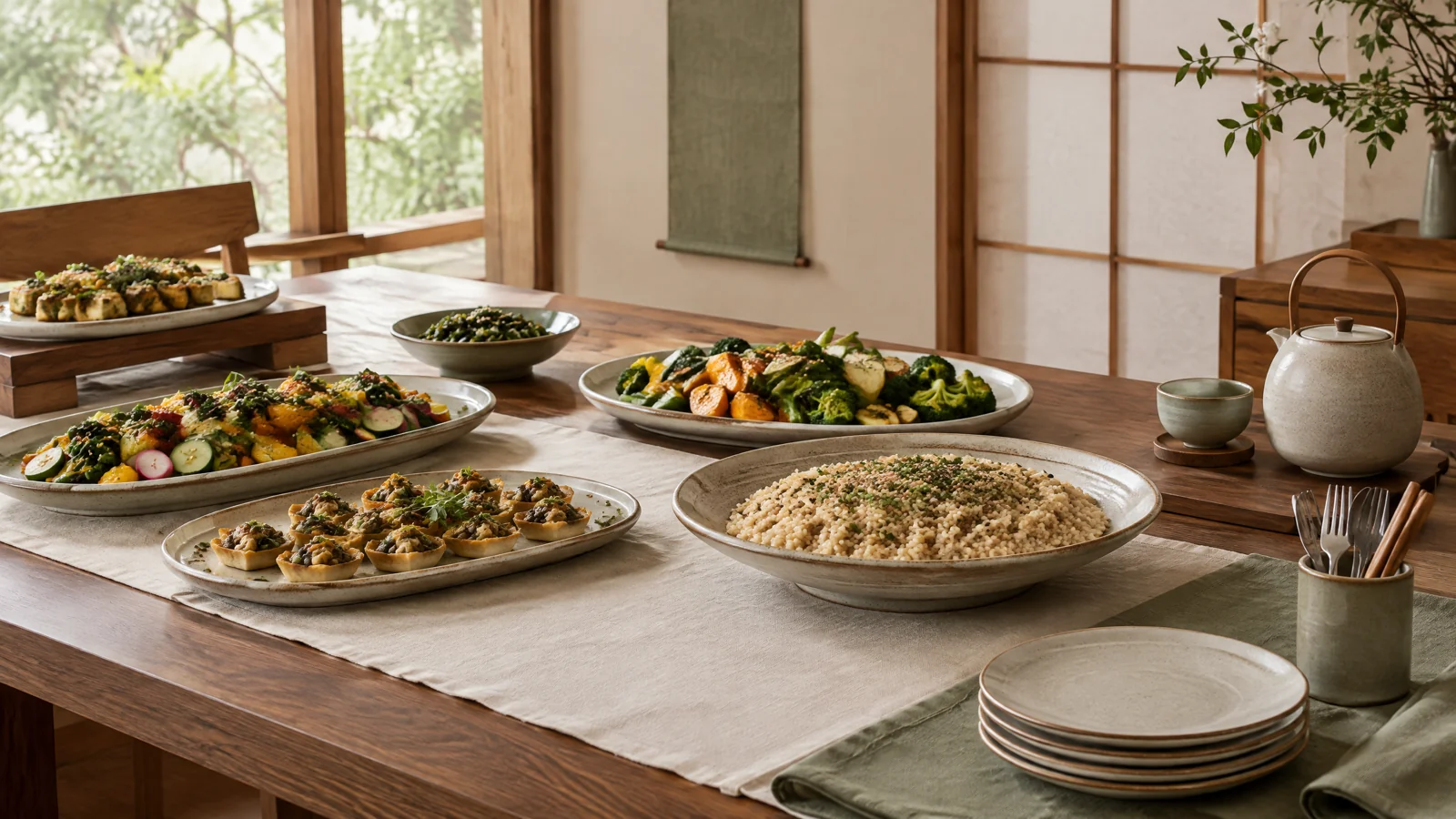
Choose cooked Japanese dishes as the main meal when raw seafood does not suit your guests; choose cold platters only when suitable chilled storage and supervised service are available. A mixed menu works when each food has its own holding arrangement, rather than everything sharing one decorative table.
The useful comparison is not simply sushi versus chicken. Cold describes a serving condition, while cooked describes preparation. A cooked filling can appear in chilled sushi, and a cooked main can be served hot. Your first task is to identify the actual food, then decide how it will travel, wait and reach the guest. Cuisine names alone cannot answer those questions.
For a Hong Kong office celebration, wedding gathering or creative afternoon, the menu should support the occasion without making the host run a second event behind the buffet. This Canvas Blend guide compares the service work hidden inside attractive platters. It is AI-assisted editorial content from a business sharing ownership with YumYum, not an independent caterer review, tasting report or account of a real customer event.
If you are searching for hair salon Central, plan a colour visit around meetings or after work, with enough time to discuss tone, upkeep, and your journey from Central.
01
What are you actually comparing when you say cold or cooked?
Make three columns on your shortlist: raw seafood served chilled, cooked or vegetable items served chilled, and cooked dishes served hot. These categories create different questions about preparation and service. A photograph showing rice rolls beside sliced fish does not establish which fillings are cooked. Ask for a written item description before deciding that the entire platter meets a no-raw-food preference.
YumYum's Japanese Catering page lists teriyaki chicken, karaage and rice dishes alongside a sesame okra cold dish. That makes it a useful starting point for discussing a cooked-led Japanese meal, not evidence that every listed dish appears in every package. Confirm the selected items and their intended serving temperatures rather than treating the cuisine page as your final order specification. [5]
Cold food is not automatically a low-maintenance choice. The Hong Kong Centre for Food Safety advises keeping buffet cold dishes, including sushi and sashimi, at 4°C or below, while hot dishes should be held above 60°C. A chilled platter therefore needs a cold-service plan just as a hot tray needs hot holding. Neither should be left on the table merely because it looks ready to eat. [1]
Separate safety from eating quality in your comparison. You may prefer a particular dish's flavour, texture or appearance, but that preference cannot override its handling instructions. Ask the caterer which dishes remain appealing in the agreed equipment and whether any should be served in a distinct round. The best shortlist is one whose service requirements you can actually deliver, even if it contains fewer varieties.
| Option | Useful role | Main constraint | Question before ordering |
|---|---|---|---|
| Raw seafood served chilled | Optional platter for guests who choose raw seafood | No cooking step; controlled sourcing, handling and chilling remain important [2] | What storage, display and withdrawal arrangements apply? |
| Cooked or vegetable sushi served chilled | Cold selection without a deliberately raw seafood filling | Still needs suitable cold holding and ingredient checks [1] [3] | Which fillings are fully cooked, and how are items separated? |
| Cooked Japanese mains served hot | Main meal with rice or other accompaniments | Hot holding, serving equipment and portioning | Which dishes suit the venue's confirmed equipment? |
| Separate cold and hot rounds | A mixed menu fitted around the programme | Waiting food still needs controlled storage | Who releases, checks and removes each round? |
02
When should a chilled platter be optional rather than the main meal?
Use raw seafood as an optional selection when you cannot confidently build the whole meal around it. Some guests simply dislike raw fish. Others need to avoid it for health reasons. The CFS advises pregnant women, children, older people and those with weakened immunity to avoid high-risk foods, including raw foods and cold dishes, as far as possible. Individual medical questions belong with a qualified healthcare professional. [1]
The Sushi & Sashimi Catering page is a reference for asking about rice-based pieces and sliced seafood separately. Its product descriptions are merchant information, not an independent assurance of safety. Ask whether a cooked-only selection is available, exactly what that means for each item, and how it is prepared and packed. Do not infer a guest's suitability from a package name. [6]
The CFS explains that raw seafood has no cooking step to eliminate pathogens that may be present, including bacteria, parasites and viruses. Its March 2026 guidance also points businesses towards temperature and display-time records. Those facts make sourcing and handling more meaningful questions than whether a fish is described as premium or recently imported. Fresh-looking presentation cannot replace documented controls. [2]
A useful compromise is a cooked main meal with a separately managed chilled option for guests who want it. The trade-off is duplication of equipment and supervision, not merely the extra platter on the invoice. If the venue cannot support both service conditions, choose one feasible format. Removing raw seafood does not remove all food-safety risks, and cooked sushi still requires the handling appropriate to the finished product. [1]
03
Which format fits the way guests will arrive and eat?
Start with the eating window rather than the delivery window. At a seated lunch, guests can begin together and the host can coordinate one main service. At a reception, people may arrive between photographs, greetings and speeches. That makes reserve storage and replenishment more important. A platter intended for the first arrivals should not automatically remain available for the last arrivals without an agreed display plan.
Cold platters can look convenient for standing guests, but consider the complete plate. Will someone need both hands, chopsticks, a sauce dish and a drink? Cooked trays may need a more substantial plate and a place to sit. Test the proposed portioning and tableware with the caterer. The decision is about how people eat in your room, not a universal rule that one cuisine makes better reception food.
For an afternoon involving shared creative work, Canvas Blend's team-building and aesthetic experience guide offers a starting point for thinking about the activity sequence. Put the food break into that sequence deliberately. Keep activity materials away from serving surfaces, allow guests to wash their hands, and avoid assigning the workshop facilitator an unplanned second job supervising food. Hand hygiene and separation are part of the CFS buffet advice. [1]
Ask whether separately packed meals would simplify a single scheduled break. They reduce the need for guests to queue and select from communal trays, but packaging alone does not establish safe storage or allergen suitability. Shared dishes offer more choice, while individual meals make allocation clearer. Select the format that fits the room and staffing, then ask how it must be held before distribution.
04
How should you compare cooked dishes without sacrificing the service plan?
A cooked-led menu does not have to mean a row of fried items. Compare one main, an accompaniment and a vegetable dish by how they will be served together. Ask about sauce separation, portioning and compatible holding equipment. A dish chosen for a crisp coating may need a different service approach from one chosen for its sauce; obtain the caterer's recommendation instead of assuming every hot tray performs alike.
If guests are more interested in a cooked sharing meal than a specifically Japanese one, Korean Catering provides a relevant alternative to compare. YumYum lists fried chicken, rice dishes and cheese tteokbokki fish balls on that page. Compare the proposed dishes against the same equipment and eating window as the Japanese shortlist. Those listings do not establish availability, portion adequacy or an allergen-free preparation. [7]
Keep the comparison narrow enough to make a decision. For example, ask for two cooked-led proposals using the same number of diners and the same serving format. One could emphasise a sauced main; the other could emphasise fried items with sauces supplied separately if available. Request the recommended service method for each. You can then compare operational work alongside the flavours your guests actually prefer.
There is no evidence-based reason to declare one whole national cuisine safer than another. The relevant distinctions here are the actual ingredients, cooking, handling and holding conditions. Switching from raw fish to cooked chicken changes part of the risk picture, but it does not excuse lukewarm storage. The CFS temperature advice applies to the service condition of the dish, not the flag beside its name. [1]
For a look that complements your skin tone and everyday styling, explore hair colour Hong Kong and compare soft dimension, brighter accents and the care each approach involves.

05
What ingredient information could change your preferred menu?
Request ingredient information for sauces, coatings, garnishes and desserts as well as the main protein. The FDA identifies fish, crustacean shellfish, wheat, soybeans, sesame, eggs and milk among major food allergens, alongside peanuts and tree nuts. This is a useful ingredient-checking prompt, not a statement that US labelling rules govern a Hong Kong catering order or that these are the only possible allergens. [4]
A warm sharing format may also lead you to compare Thai Catering, whose merchant page lists green curry chicken, satay chicken skewers and seafood rice dishes. Ask for the exact recipes and sauce ingredients in the proposed order. A familiar dish name or cuisine stereotype cannot confirm which allergens are present, and choosing a cooked dish does not resolve an ingredient restriction. [8] [4]
Ask how the kitchen prevents an unwanted ingredient reaching another dish through shared equipment or utensils. Leeds Teaching Hospitals NHS Trust warns that buffets and salad bars need particular caution because foods can be cross-contaminated. A separate serving spoon is useful at the event, but cannot tell you how the food was prepared beforehand. Discuss both preparation and service controls with the supplier. [3]
Vegetarian, vegan or gluten-free descriptions answer different questions and should never be treated as freedom from every allergen. The same applies to an organic or halal claim: request the relevant evidence if that status matters, rather than reading it from a photograph. For a severe allergy, involve the guest and their qualified healthcare professional; if the supplier cannot clarify ingredients and controls, do not present the dish as suitable. [3] [4]
06
How would a small celebration make the cold-versus-cooked decision?
Consider a hypothetical pre-wedding lunch in a hired studio, not a real Canvas Blend or YumYum customer event. Guests will eat after group photographs, and the studio has seating but no confirmed food chiller. The host initially wants sashimi because it fits the visual mood. The first decision is therefore to ask whether a suitable chilled-service arrangement can be supplied, not to order a larger platter.
If chilling cannot be confirmed but suitable hot holding can, a cooked Japanese main with an accompaniment becomes the more workable proposal. If neither can be provided, the host needs a different venue or a caterer-confirmed immediate-service arrangement, not permission to leave either menu at room temperature. The CFS advises against eating cold dishes that are not cold or hot dishes that are only lukewarm. [1]
Suppose the studio can support both conditions after discussion. The host could then choose a cooked main for the meal and a smaller, supervised chilled selection for guests who actively want it. That gains variety but costs service space and someone else's attention. If the photographs overrun, that person keeps reserve food under its specified control instead of releasing everything to preserve the original visual plan.
The styling and food plans should share a calendar, not a claim of professional expertise. Use Canvas Blend's bridal hair-colour planning page to prepare a separate colour consultation, and use the hair-colour gallery to discuss visual preferences. Confirm appointment timing individually. Neither resource establishes catering facilities, a combined wedding package or anyone's food-safety qualifications, and the food break should remain in a suitable dining area.
What else should you ask about celebration planning and everyday aesthetics?
Does a cold Japanese platter always contain raw fish?
No. A chilled selection may include cooked or vegetable fillings. Ask for the exact preparation of each item. Its finished serving condition still needs appropriate cold holding. [1]
Can cooked sushi be left out because its filling was heated?
Do not make that assumption. Cooking a filling does not establish the handling requirements of the finished sushi. The CFS advises buffet sushi be stored at 4°C or below; obtain product-specific service instructions from the caterer. [1]
Is an air-conditioned room enough for a chilled platter?
Ordinary room cooling should not be treated as the required food-storage control. The CFS recommends cold buffet food at 4°C or below, using suitable chilling or ice arrangements. Confirm the actual food-holding conditions. [1]
Should pregnant guests be given a separate sashimi plate?
A separate plate does not remove the inherent raw-food risk. The CFS advises pregnant women to avoid high-risk foods as far as possible. Discuss a fully cooked alternative and refer individual medical suitability to a qualified healthcare professional. [1] [2]
Does a vegetarian option solve a sesame or wheat allergy?
No. Vegetarian describes a different requirement. Obtain the actual ingredient information and preparation controls, and involve the guest in the decision. FDA allergen information includes sesame and wheat; NHS guidance warns about cross-contamination at buffets. [3] [4]
Should I order equal amounts of hot food and sushi?
Not automatically. Establish whether sushi is a main meal or an optional extra, ask about guests' preferences, and confirm the supplier's quantity basis. A mixed menu also needs separate service arrangements; equal quantities do not make those arrangements feasible.
How can you organise styling and supplier arrangements separately?
Choose the menu your venue can hold and your guests can actually eat. A cooked-led Japanese meal is a useful starting point when raw seafood is not appropriate, while a chilled platter earns its place through confirmed storage, clear ingredients and purposeful service. Combining the two is worthwhile only when the extra variety justifies the extra equipment and attention.
Send YumYum a brief describing the meal's role, eating window and available facilities, then request a dish-by-dish proposal and written terms. Keep any Canvas Blend styling appointment as a separate conversation. That gives both decisions a clear scope and lets the celebration's visual plans support the day without dictating how food must be handled.
For hair that looks dry, frizzy, or prone to breakage in a photo, read about damaged hair treatment Hong Kong to help frame questions for a colour-care consultation.
Sources, shared ownership and editorial notes
- [1] Centre for Food Safety: Buffet and Food Safety
- [2] Centre for Food Safety: Sushi and Sashimi Guideline – Know the Risks and Be Prepared
- [3] Leeds Teaching Hospitals NHS Trust: Managing food allergies: Shopping, Restaurants, Takeaways, Hotels & Parties
- [4] US Food and Drug Administration: Food Allergies
- [5] YumYum: Japanese Catering Hong Kong — Relevant page linked in the body; no duplicate external link here.
- [6] YumYum: Sushi & Sashimi Catering Hong Kong — Relevant page linked in the body; no duplicate external link here.
- [7] YumYum: Korean Catering Hong Kong — Relevant page linked in the body; no duplicate external link here.
- [8] YumYum: Thai Catering Hong Kong — Relevant page linked in the body; no duplicate external link here.
This AI-assisted guide is produced by Canvas Blend Editorial. It is a celebrations and everyday aesthetics guide, not a real-client, food-tasting, product-use or event record, and not an independent review. Canvas Blend and YumYum share the same owner; resource links are not independent third-party endorsements. It is not personally written by Vit So or reviewed by him as a food, baking, nutrition or floristry expert; his real salon background does not establish qualifications in those fields.
Obtain written confirmation from the supplier for service scope, delivery dates, food ingredients, allergens and cross-contact risks, product or supplier certification, actual availability and applicable terms. Images and general guidance are not evidence of these details. Discuss individual food allergies or health needs with a qualified medical professional. This page promises no price, discount, stock, refund or cancellation arrangement and does not describe external services as a joint salon package. Quotes, deposits, amendments and cancellation/refund arrangements depend on the supplier’s current written terms and individual confirmation.
An AI-assisted Canvas Blend editorial guide. Canvas Blend and YumYum share ownership; this is not an independent third-party review, tasting report or real customer case. The hypothetical studio lunch is illustrative. This article is not attributed to Vit So and does not claim that he holds food-safety or floristry qualifications or reviewed the article. Confirm current dishes, ingredients, cross-contact controls, certifications, quantities, supply, handover and written terms directly with the intended business. Personal medical or severe-allergy suitability requires a qualified healthcare professional; salon services and catering orders remain separate.
More Celebrations & Everyday Aesthetics Guides
Seafood Catering: Which Requests Need More Than a Menu Swap?
Separate seafood preferences from allergies, vegan choices and gluten-free requirements. Use a practical menu check before confirming your Hong Kong event.
Halal Catering: Better Questions for Your Wedding Suppliers
Plan an inclusive Hong Kong wedding menu by checking halal evidence, allergens and service handovers. Use these questions before confirming suppliers.
Drinks Catering: Set a Birthday's Refreshment Rhythm
Plan birthday drinks around arrivals, tea and cake without an all-day display. Compare serving formats, chilled storage and the questions to send YumYum.